Introduction to Proximity Sensors in Mining
Proximity sensors are indispensable components in modern mining operations, serving as the eyes and ears of automated systems. These devices detect the presence or absence of objects without physical contact, ensuring safety, efficiency, and reliability in harsh environments. In mining, where conditions involve dust, moisture, vibration, and extreme temperatures, specialized sensors are required. Electromagnetic proximity sensors, in particular, are favored for their robustness and ability to function in metallic and electrically noisy surroundings. This article explores the various types of electromagnetic proximity sensors used in mining, their applications, and key selection criteria.
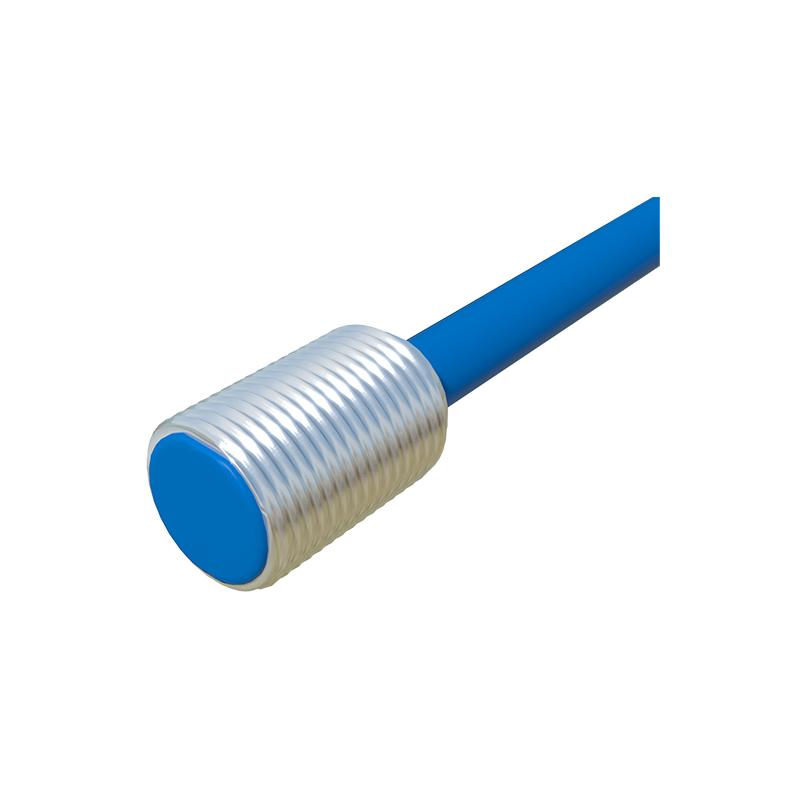
Inductive Proximity Sensors
Inductive proximity sensors are the most common type in mining applications. They operate by generating an electromagnetic field and detecting changes caused by metallic objects. Typically, these sensors consist of a coil, oscillator, detector, and output circuit. When a metal object enters the sensing range, it induces eddy currents, altering the oscillation amplitude and triggering a switch. Key features include high switching frequency, resistance to environmental contaminants, and no moving parts, reducing wear. In mining, they are used for position detection of conveyor belts, monitoring drill bits, and ensuring proper alignment of machinery. Their ability to detect ferrous metals like iron and steel makes them ideal for equipment with metal components.
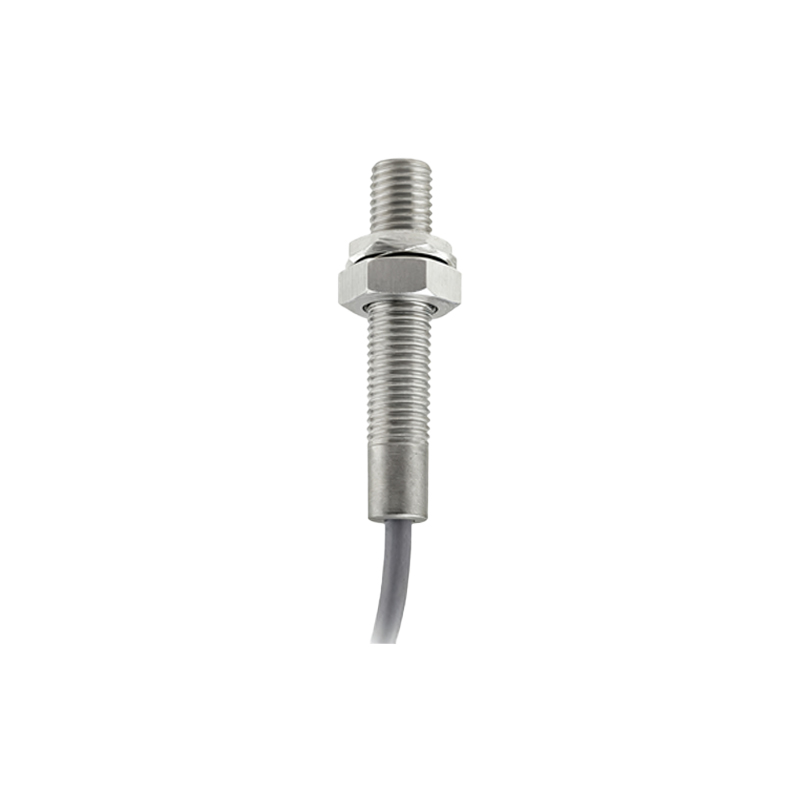
Capacitive Proximity Sensors
Capacitive proximity sensors detect both metallic and non-metallic objects by measuring changes in capacitance. They generate an electrostatic field and sense variations when an object enters it, regardless of material conductivity. This versatility allows them to monitor materials like coal, ore, and liquids. In mining, capacitive sensors are employed for level detection in silos or bins, presence sensing of non-metallic conveyor loads, and moisture detection. They are particularly useful in processing plants where a mix of materials is handled. However, they may be sensitive to environmental factors like humidity, requiring proper shielding and calibration for reliable operation in underground mines.
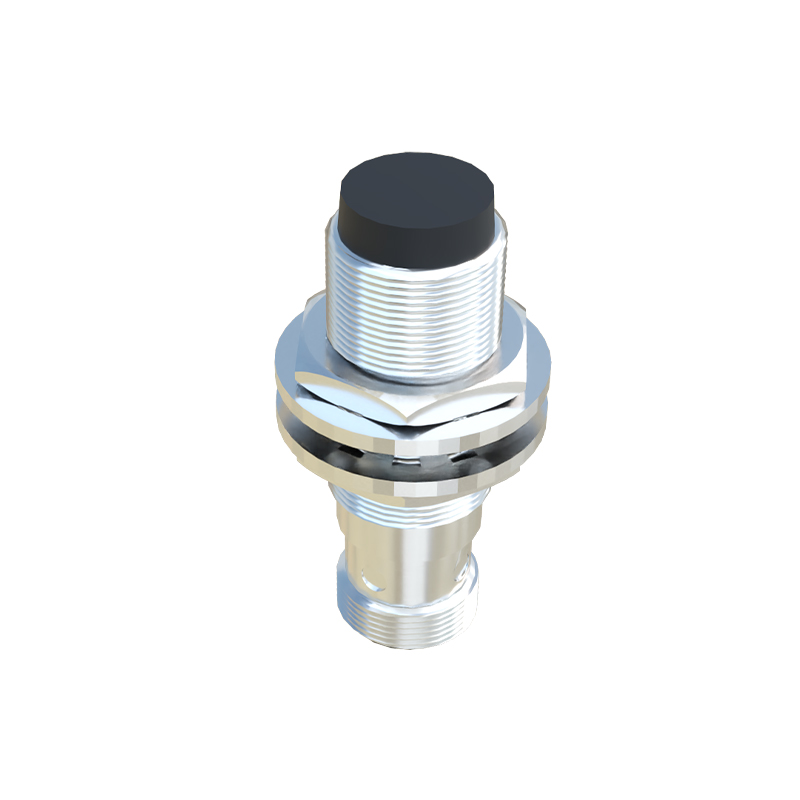
Magnetic Proximity Sensors
Magnetic proximity sensors, often called reed switches or Hall effect sensors, detect magnetic fields. They are activated by permanent magnets or electromagnets, making them suitable for applications where direct contact is impractical. Reed switches use ferromagnetic reeds that close when exposed to a magnetic field, while Hall effect sensors generate a voltage proportional to magnetic field strength. In mining, these sensors are used for door position monitoring on vehicles, safety lock detection, and speed sensing on rotating equipment. Their sealed designs offer excellent resistance to dust and water, crucial for underground environments. They are also immune to non-magnetic interference, enhancing reliability in electrically noisy settings.
Ultrasonic Proximity Sensors
Ultrasonic proximity sensors use sound waves to detect objects, measuring the time for an echo to return after emitting a high-frequency pulse. They can sense a wide range of materials, including solids, liquids, and granular substances. In mining, ultrasonic sensors are applied for distance measurement in stockpile management, collision avoidance on large machinery, and liquid level control in tanks. Their non-contact nature minimizes maintenance, and they perform well in dusty or foggy conditions where optical sensors might fail. However, they can be affected by temperature variations and acoustic noise, necessitating careful installation and calibration.
Applications in Mining Operations
Proximity sensors play critical roles across mining stages, from extraction to processing. In drilling and blasting, inductive sensors monitor drill positioning and detect broken bits, preventing downtime. On conveyor systems, capacitive and inductive sensors track material flow and jam detection, optimizing throughput. For safety, magnetic sensors ensure equipment doors are securely closed, while ultrasonic sensors aid in vehicle navigation in confined spaces. In processing plants, sensors control crusher operations and sort materials based on detection signals. Their integration with PLCs and SCADA systems enables real-time monitoring, enhancing operational efficiency and reducing human intervention in hazardous areas.
Selection Criteria for Mining Sensors
Choosing the right proximity sensor for mining requires evaluating several factors. Environmental durability is paramount; sensors must have high IP ratings for dust and water resistance, and withstand vibrations and shocks. Sensing range and material compatibility should match the application—inductive for metals, capacitive for mixed materials. Output type (e.g., PNP, NPN, analog) must align with control systems. Temperature tolerance is vital, as mines can range from freezing to extremely hot. Additionally, consider certifications like ATEX for explosive atmospheres and MTBF for reliability. Cost-effectiveness and ease of maintenance also influence selection, as downtime in mining can be costly.
Maintenance and Best Practices
Regular maintenance ensures longevity and accuracy of