Understanding Inductive Proximity Sensor Pricing Factors
The cost of an inductive proximity sensor is not a single, fixed number but a variable influenced by a complex matrix of technical and commercial factors. At its core, the sensing distance is a primary driver; a standard 5mm range sensor is fundamentally less expensive than a specialized 40mm long-range model due to differences in coil design and oscillator circuit complexity. The housing material plays a significant role, with nickel-plated brass or stainless steel versions commanding a higher price than those with PBT plastic housings, reflecting both material cost and enhanced durability for harsh environments. Furthermore, the output configuration—be it NPN, PNP, NO (normally open), or NC (normally closed)—and the connection type (pre-wired cable vs. quick-disconnect) add layers to the base price. Understanding these specifications is the first step in deciphering any price list.
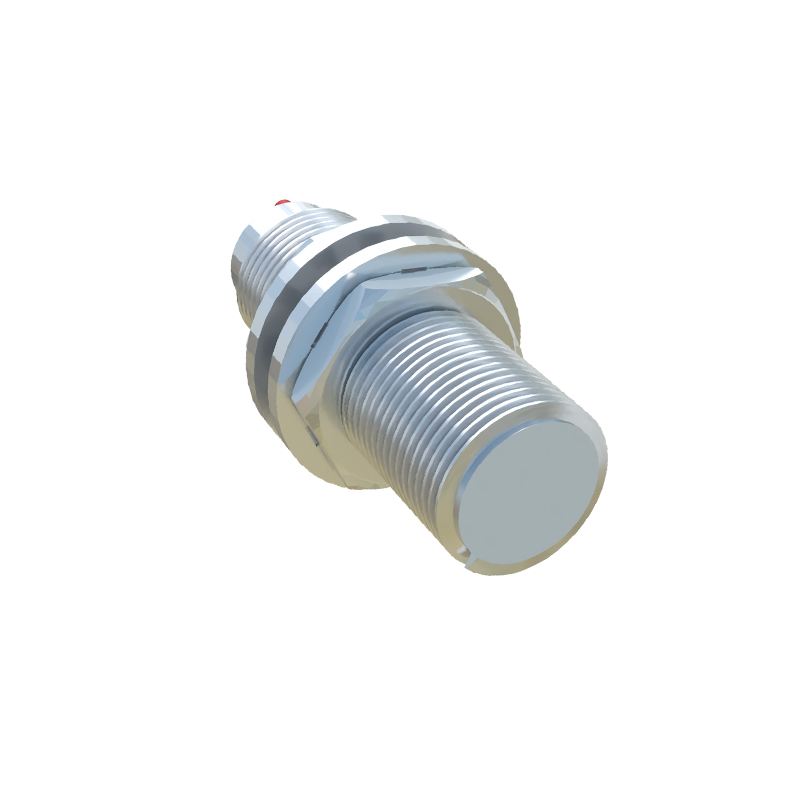
Typical Price Range Breakdown by Sensor Type
A generalized price list, often presented in USD or EUR, categorizes sensors to guide initial budgeting. Entry-level, shielded cylindrical sensors (e.g., M8 or M12 threads) with standard sensing ranges (1.5mm to 4mm) and PNP output typically start in the range of $15 to $35 per unit. Unshielded variants, which offer a longer range for the same size but have less side-to-side interference resistance, may be slightly cheaper. Miniature and subminiature sensors, crucial for space-constrained automation, often carry a premium, ranging from $30 to $60 due to their precision manufacturing. For demanding applications, heavy-duty sensors with extended ranges (up to 60mm), high-temperature tolerance, or weld-field immunity (resistant to spatter and strong magnetic fields) can see prices from $50 to well over $150 per unit. Volume purchasing from distributors or directly from manufacturers significantly reduces the per-unit cost.
The Impact of Performance Specifications on Cost
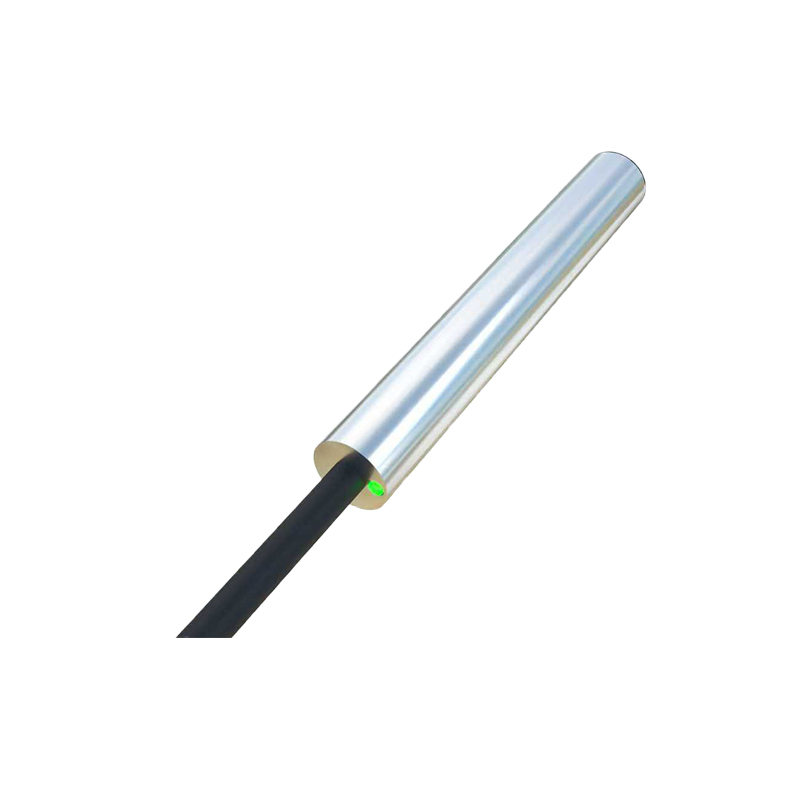
Beyond physical form, electrical and performance specifications directly correlate with price. Switching frequency, which dictates how fast a sensor can detect objects, is a key differentiator. A standard sensor operating at 100 Hz is commonplace, but high-speed models for packaging or assembly lines reaching 5 kHz or more will be priced higher. Similarly, the degree of protection, indicated by the IP (Ingress Protection) rating, adds cost. An IP67-rated sensor (dust-tight and protected against temporary immersion) is standard for industrial floors, but an IP69K-rated sensor (protected against high-pressure, high-temperature washdowns) involves more robust sealing and materials. Special features like analog output (4-20mA or 0-10V), IO-Link digital communication for Industry 4.0 integration, or increased repeat accuracy all contribute to a premium price tier.
Brand Reputation and Supply Chain Considerations
The manufacturer's brand is a substantial component of the price list. Established global leaders like Siemens, Pepperl+Fuchs, Omron, and Balluff set benchmark prices that reflect decades of R&D, proven reliability, and extensive global service networks. Their sensors are typically at the higher end of the price spectrum. Conversely, many reputable automation-focused brands and generic manufacturers offer competitively priced alternatives that may meet the requirements for less critical applications. The choice between brands often balances initial cost against total cost of ownership, which includes mean time between failures (MTBF) and maintenance. Furthermore, supply chain stability, lead times, and regional distributor markups can cause list prices to fluctuate, making it essential to request real-time quotations for project planning.
How to Request and Analyze a Quotation
To obtain an accurate and useful price list or quotation, provide suppliers with a detailed specification sheet. This should include required quantity, sensor type (cylindrical, rectangular), size, sensing distance, housing material, output type, supply voltage, and any special requirements (e.g., chemical resistance). A reputable supplier will return a formal quote detailing unit price, bulk discount tiers, delivery terms (EXW, FOB, DDP), and lead time. Analysis should go beyond the bottom line; evaluate the warranty period, technical support availability, and compatibility with existing systems. For large-scale OEM projects, engaging in direct negotiations with manufacturers for a customized pricing agreement is standard practice, potentially offering savings of 20% or more off the standard distributor list price.