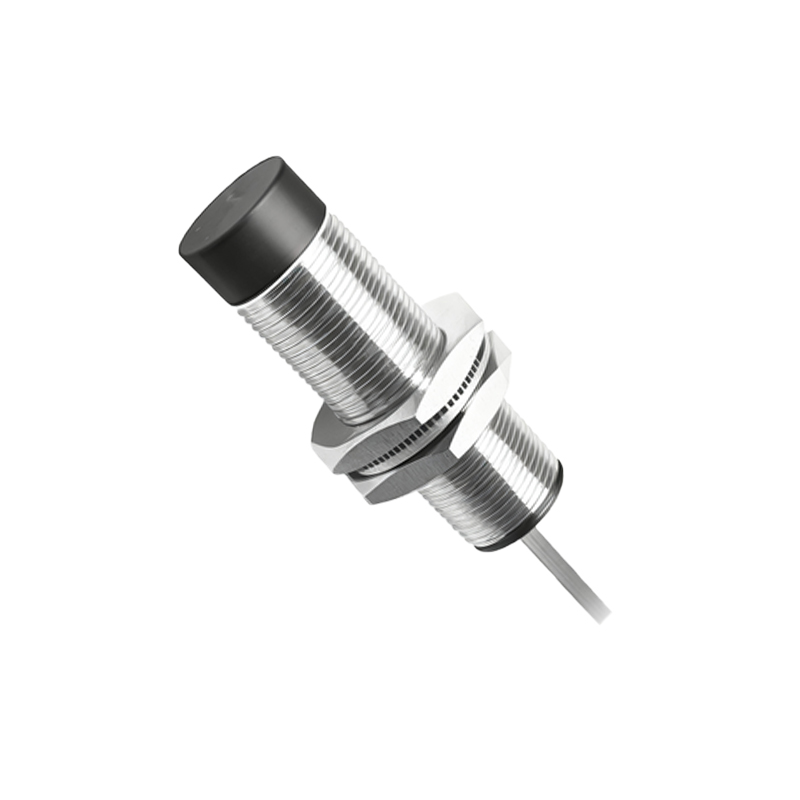
Water level monitoring is a critical task across numerous industries, from municipal water treatment and reservoir management to industrial process control and agricultural irrigation. Among the various technologies available, proximity sensors have emerged as a reliable and versatile solution for non-contact liquid level detection. Understanding the principle behind how these sensors measure water level is key to selecting and applying them effectively.
At its core, a proximity sensor designed for liquid level detection operates by detecting the presence or absence of a target—in this case, the water surface—without any physical contact. The fundamental principle involves the emission of a field or beam and the analysis of the signal reflected or altered by the target medium. The two most common types used for water level measurement are capacitive proximity sensors and ultrasonic proximity sensors, each based on distinct physical phenomena.
Capacitive proximity sensors function based on the principle of capacitance change. The sensor, often with a sensing face or probe, acts as one plate of a capacitor. The tank wall or a reference electrode can act as the other plate, with the air and the material between them (water) serving as the dielectric. Water has a significantly higher dielectric constant (approximately 80) compared to air (about 1). As the water level rises and approaches the active face of the sensor, it displaces the air in the sensing field. This change in the dielectric material causes a measurable increase in the capacitance of the system. The sensor's internal oscillator circuit detects this capacitance shift. Once the capacitance reaches a preset threshold corresponding to the water reaching the detection point, the sensor triggers a switching action, sending an output signal to indicate the presence of water. This makes capacitive sensors excellent for point-level detection, signaling when the liquid reaches a specific high or low level. They can also detect water through non-metallic tank walls.
Ultrasonic proximity sensors, on the other hand, operate on the time-of-flight principle. The sensor emits high-frequency sound waves (ultrasonic pulses) from its transducer towards the water surface. These sound waves travel through the air at a known speed. Upon hitting the water surface, they are reflected back to the sensor's receiver. An internal microcontroller measures the time elapsed between the emission of the pulse and the reception of its echo. Since the speed of sound in air is constant under known temperature conditions, the distance to the water surface can be calculated precisely using the formula: Distance = (Speed of Sound × Time of Flight) / 2. By knowing the total height of the tank, the water level is easily derived. This method allows for continuous level measurement, providing a variable output signal proportional to the distance, and thus the water level, rather than just a simple on/off switch at a single point.
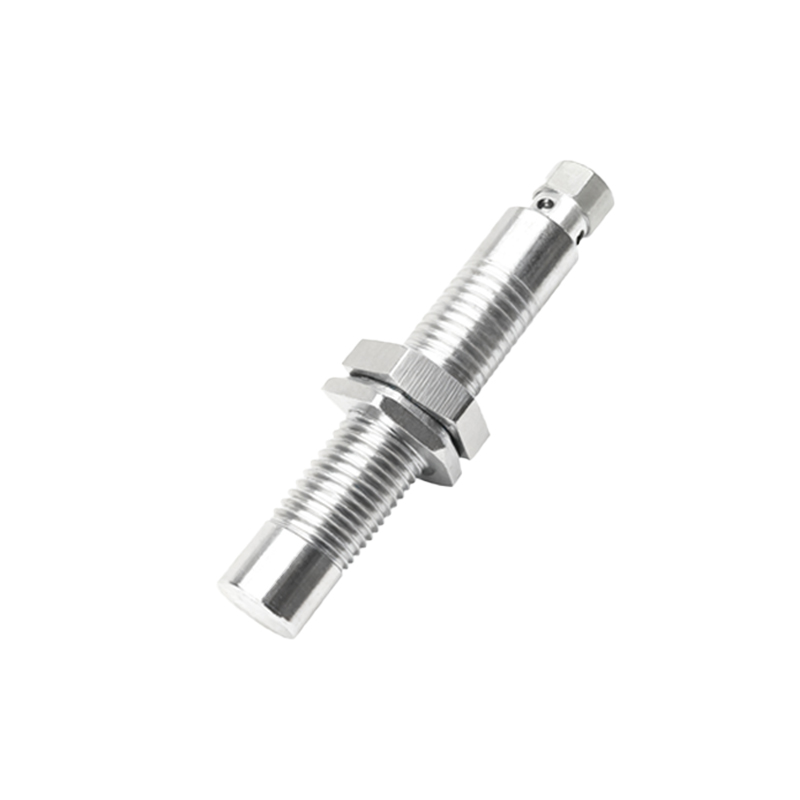
Several factors influence the performance and accuracy of these systems. For capacitive sensors, factors like the dielectric constant of the liquid, coating or buildup on the probe, and environmental humidity must be considered. Ultrasonic sensors can be affected by temperature variations (which change the speed of sound), turbulent or foamy liquid surfaces, and obstacles in the sound path. Modern sensors incorporate compensation algorithms for temperature and sophisticated signal processing to filter out false echoes.
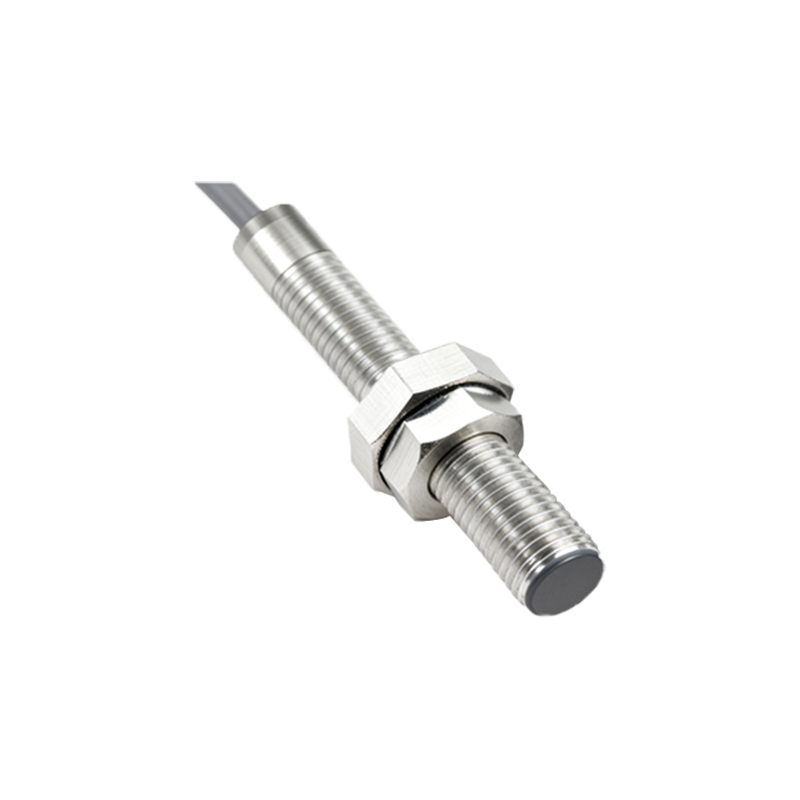
The choice between sensor types depends on the application requirements. Capacitive sensors are ideal for simple, cost-effective point-level control in clean liquids, even within pressurized or sealed containers. Ultrasonic sensors are preferred for applications requiring continuous level monitoring, measurement in large tanks, or where contact with the liquid is undesirable. Their non-contact nature makes them suitable for corrosive or sanitary applications.
In summary, proximity sensors measure water level by interacting with the physical properties of the air-water interface. Capacitive sensors detect the change in dielectric constant, while ultrasonic sensors measure the time for a sound wave to reflect. This non-contact approach offers significant advantages in reliability, maintenance, and versatility, making proximity sensing a cornerstone technology in modern liquid level measurement and control systems across diverse fields.