Introduction to Proximity Sensors in CNC Machining
In the realm of Computer Numerical Control (CNC) machining, precision, repeatability, and operational safety are paramount. Proximity sensors serve as the silent guardians of these principles, providing non-contact detection of metallic or non-metallic objects within the machine's workspace. These devices are fundamental to modern automation, enabling CNC systems to perform complex tasks with minimal human intervention. By detecting the presence, absence, or position of a target without physical contact, they eliminate mechanical wear, increase response speed, and enhance the overall reliability of the machining process. Their integration is a critical factor in achieving the tight tolerances and high production rates demanded by industries such as aerospace, automotive, and medical device manufacturing.
Core Operating Principles and Types
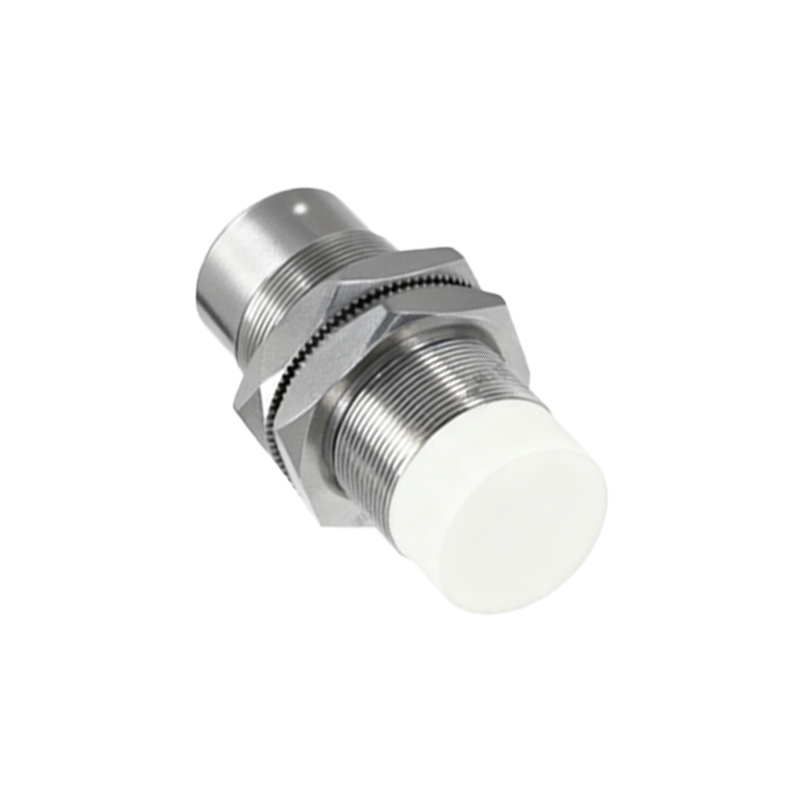
Proximity sensors function based on different physical principles, each suited to specific applications. The most common types in CNC environments are inductive, capacitive, and magnetic sensors. Inductive proximity sensors are the workhorses for metal detection. They generate an electromagnetic field; when a metallic target enters this field, it induces eddy currents, causing a change in the sensor's oscillation amplitude, which triggers a switching signal. Capacitive sensors can detect both metallic and non-metallic materials (like plastics, liquids, or wood) by measuring changes in capacitance caused by the target altering the electrostatic field. Magnetic sensors, often reed switches or Hall-effect sensors, react to the presence of a magnetic field, commonly used for detecting cylinder piston position or as limit switches.
Key Applications on the CNC Machine Tool
The deployment of proximity sensors throughout a CNC machine is strategic. A primary application is as a tool setting probe or tool breakage detection sensor. A sensor positioned near the tool changer or spindle can verify the presence and length of a tool, preventing catastrophic collisions. They are also extensively used as limit switches for axis travel. Sensors placed at the extremities of the X, Y, and Z axes provide hard-stop signals to the CNC controller, preventing overtravel and mechanical damage. Furthermore, they monitor the position of automatic doors, confirm the clamping status of workpieces on pallets or chucks, and detect the presence of coolant or chips in critical areas, ensuring seamless automated workflow.
Selection Criteria for Optimal Performance
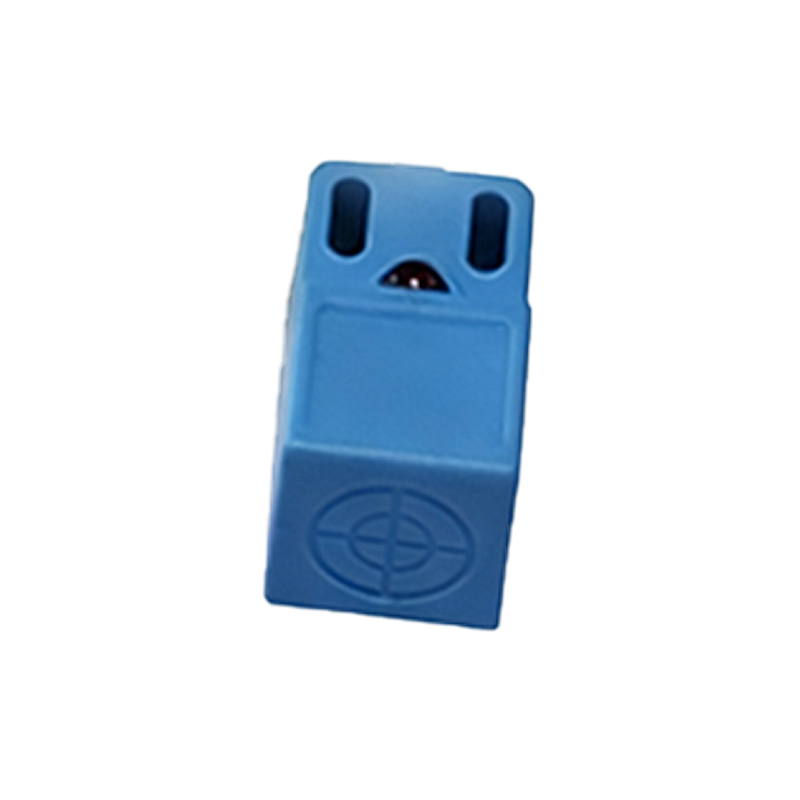
Choosing the right proximity sensor requires careful consideration of several technical parameters. The sensing distance, or nominal range, must be appropriate for the application, with a safety margin to account for mechanical tolerances and thermal expansion. The target material dictates the sensor type: inductive for metals, capacitive for diverse materials. Environmental factors are crucial; sensors must have an appropriate Ingress Protection (IP) rating to withstand coolant, oil, and metal dust. Switching frequency defines how fast the sensor can detect objects, which is vital for high-speed machines. Output type (PNP/NPN, analog, or IO-Link) must be compatible with the machine's CNC controller and PLC input cards.
Installation, Alignment, and Maintenance Best Practices
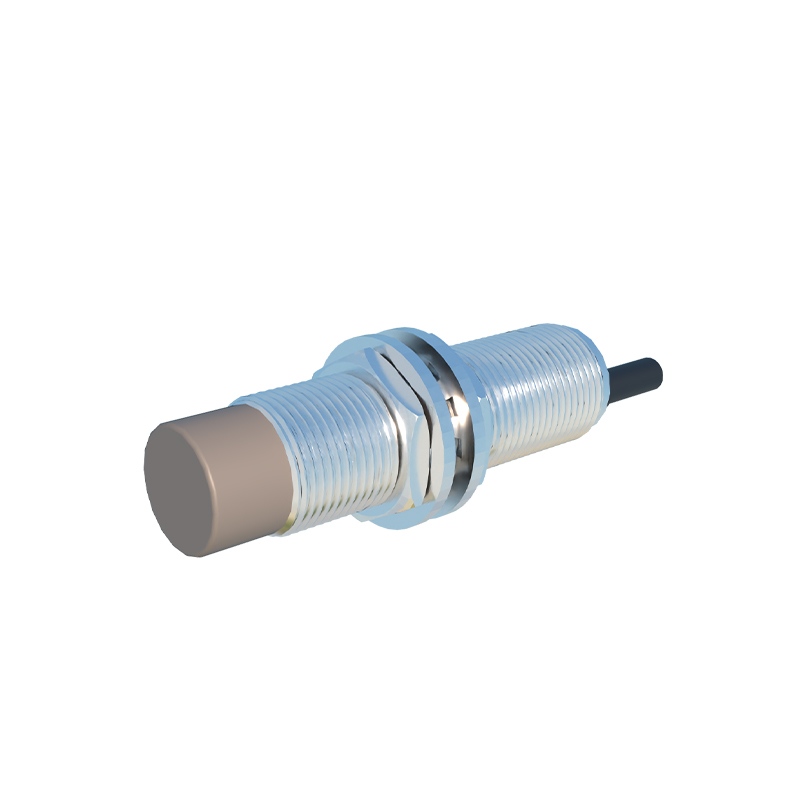
Proper installation is critical for reliable sensor operation. Sensors must be securely mounted to avoid vibration-induced false signals. Precise alignment with the target is essential, especially for short-range applications; even a slight angular misalignment can significantly reduce the effective sensing distance. Adequate shielding or maintaining proper distance between multiple sensors is necessary to prevent mutual interference. Maintenance is generally minimal due to their non-contact nature but involves regular cleaning of the sensing face from accumulated oil, grease, or metallic debris. Periodic functional checks should be part of the machine's preventive maintenance schedule to ensure all safety and positioning signals are accurate.
Advantages Over Mechanical Limit Switches
The transition from mechanical limit switches to solid-state proximity sensors marks a significant advancement in CNC machine design. Proximity sensors offer a much longer operational life as there are no moving parts to wear out. They provide incredibly fast response times, often in microseconds, which is essential for high-speed positioning. Their operation is silent and resistant to vibration. Furthermore, their sealed construction makes them inherently more reliable in harsh machine shop environments contaminated with conductive chips and fluids, where mechanical contacts would quickly fail or become unreliable.
Integration with Industry 4.0 and Smart Manufacturing
Modern proximity sensors are evolving into intelligent components within the Industry 4.0 framework. Sensors with IO-Link communication capability can transmit not just a simple on/off signal but also detailed diagnostic data, such as operating temperature, signal strength, or remaining operational life, to the higher-level control system. This enables predictive maintenance, where the machine controller can alert operators to a sensor operating outside normal parameters before it fails, minimizing unplanned downtime. This data integration is a cornerstone for creating smarter, more adaptive, and self-optim