Introduction to Proximity Sensing Technology
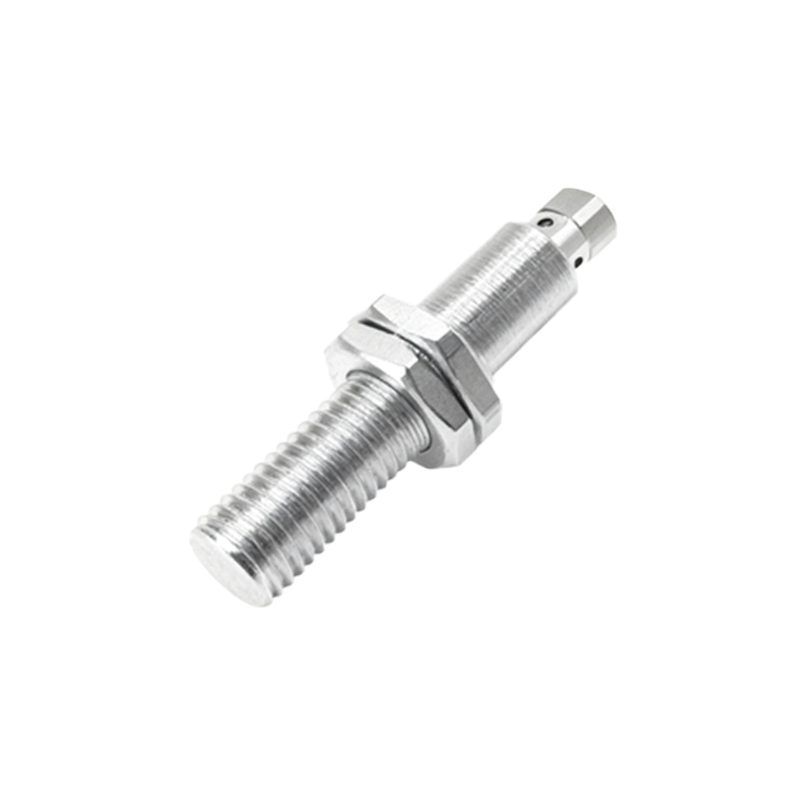
Proximity sensors are indispensable components in modern industrial automation, providing non-contact detection of objects within a defined range. These devices operate on various principles, including inductive, capacitive, ultrasonic, and photoelectric sensing. Their primary function is to detect the presence or absence of an object without physical contact, thereby eliminating mechanical wear and enabling high-speed, reliable operations. The core advantage lies in their ability to function in harsh environments—resistant to dirt, oil, and vibrations—where traditional mechanical switches would fail. This foundational technology forms the backbone of countless automated processes, from simple object counting to complex robotic guidance systems. Their versatility and durability make them a first-choice solution for engineers designing efficient and resilient production lines.
Automated Assembly and Manufacturing Lines
In high-volume production environments, proximity sensors are critical for ensuring precision and continuity. Inductive sensors, for instance, are extensively used to detect metallic components on conveyor belts. They verify the presence of parts before a machining operation, such as drilling or welding, preventing costly tool damage and production errors. Capacitive sensors handle non-metallic materials like plastic, glass, or liquid containers, ensuring proper filling levels or correct positioning. On robotic assembly arms, these sensors provide feedback for end-effector positioning, confirming a successful part pickup or placement. This application drastically reduces cycle times and improves overall equipment effectiveness (OEE) by minimizing misalignment and jams.
Material Handling and Packaging Systems
The logistics and packaging sector relies heavily on proximity sensors for sorting, counting, and palletizing. Photoelectric sensors, a subtype of proximity sensors, use light beams to detect objects at greater distances. They are perfect for counting boxes on a fast-moving line or ensuring a flap is open before case sealing. In automated storage and retrieval systems (AS/RS), sensors provide precise positioning data for cranes and shuttles, enabling accurate inventory placement without collisions. Ultrasonic sensors measure the height of stacks on a pallet or detect the presence of transparent films, which optical sensors might miss. This ensures packaging integrity and optimizes space utilization in warehouses.
Machine Safety and Personnel Protection
Safety is paramount in industrial settings, and proximity sensors play a vital role in safeguarding personnel and equipment. Safety-rated versions, often with redundant outputs, are integrated into machine guarding systems like light curtains and safety mats. They create an invisible detection field around hazardous areas, such as robotic cells or press brakes. If a sensor detects an intrusion, it sends an immediate signal to the machine's safety controller to initiate a protective stop, preventing potential injuries. Additionally, they are used for door position monitoring on industrial ovens or enclosures, ensuring doors are securely closed before a dangerous process begins, thereby mitigating risks associated with high temperature or moving parts.
Automotive Industry Applications
The automotive manufacturing sector presents some of the most demanding applications for proximity sensors. On the assembly line, they verify the correct installation of critical components like engines, brake calipers, and airbags. In welding stations, sensors confirm the precise location of vehicle body panels before robotic welders operate, ensuring structural integrity. Inside the vehicles themselves, capacitive proximity sensors enable touchless control panels for infotainment systems or detect the presence of a passenger for airbag deployment logic. Furthermore, in automated guided vehicles (AGVs) used for part transportation within the factory, sensors provide collision avoidance and precise docking capabilities.
Food and Beverage Processing
Hygiene and washdown requirements in the food and beverage industry necessitate sensors with specific certifications, such as IP69K for high-pressure, high-temperature cleaning. Proximity sensors here detect the position of valves, confirm the presence of bottles or cans on filling lines, and monitor levels in silos or mixing tanks. Stainless-steel housed inductive sensors resist corrosion from cleaning chemicals, while capacitive sensors can detect liquid levels through non-metallic tank walls. Their reliability prevents spillage, ensures consistent fill volumes, and maintains stringent hygiene standards, directly impacting product quality and safety compliance.
Conclusion and Future Trends
The application spectrum of proximity sensors continues to expand with advancements in Industry 4.0 and the Industrial Internet of Things (IIoT). Modern sensors now feature integrated IO-Link communication, providing not just a binary signal but detailed diagnostic data like temperature, operating hours, and signal strength to predictive maintenance systems. This enables condition-based monitoring, reducing unplanned downtime. Future developments point towards miniaturization, increased sensing ranges, and enhanced intelligence for more adaptive machine behavior. From foundational object detection to enabling smart factory ecosystems, proximity sensors remain a cornerstone of industrial innovation, driving efficiency, safety, and reliability across virtually every manufacturing domain.