Introduction to LEGO Light Sensor Functionality
LEGO light sensors, often integrated into robotics kits like MINDSTORMS or SPIKE Prime, operate as analog or digital input devices. At their core, these sensors contain a phototransistor or photodiode that detects ambient light intensity. When used for counting applications, the sensor is typically paired with a mechanical setup—such as a rotating wheel with reflective and non-reflective sections—to generate discrete light pulses. The sensor outputs a variable voltage or a processed digital signal corresponding to the light level, which is then interpreted by the controlling hub (e.g., an EV3 or NXT brick). The counting logic is implemented via software within the programming environment, where thresholds are set to distinguish between "light" and "dark" states, each transition representing a countable event.
Hardware Components and Signal Generation
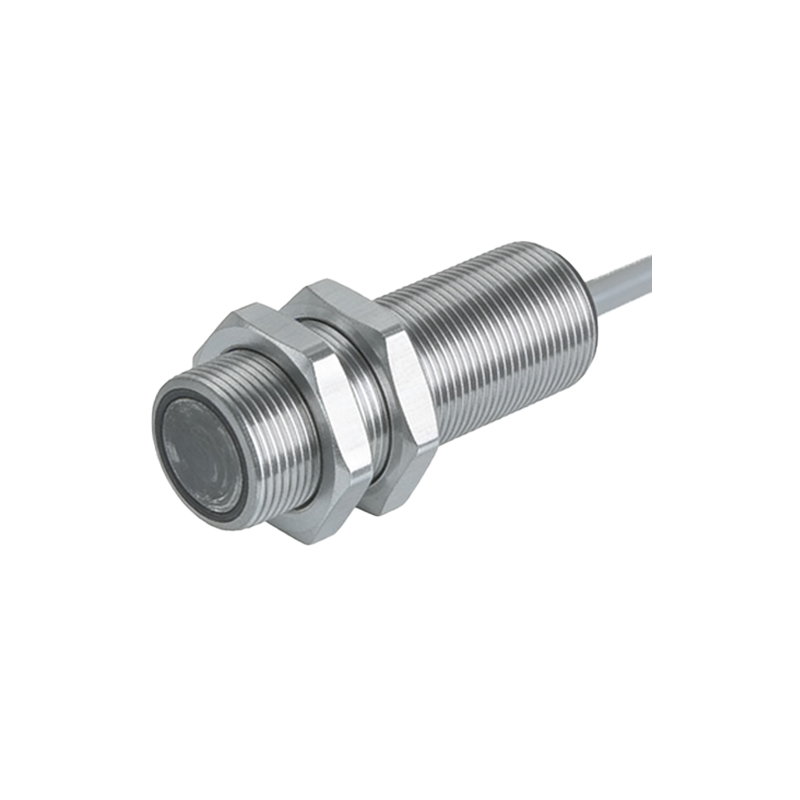
The physical assembly for counting involves precise alignment between the light sensor and the object to be counted. For instance, a conveyor belt model might use a white mark on a black surface. The sensor emits light (often via an integrated LED) and measures the reflected intensity. In a standard LEGO configuration, the analog output ranges from 0 to 100, where 0 indicates very dark and 100 indicates very bright. Engineers must calibrate the sensor for environmental conditions, as ambient light interference can skew readings. The hardware setup minimizes noise by shielding the sensor from external light sources and ensuring consistent reflection distances. This reliability is critical for industrial-style simulations where accuracy is paramount.
Software Algorithms for Pulse Detection
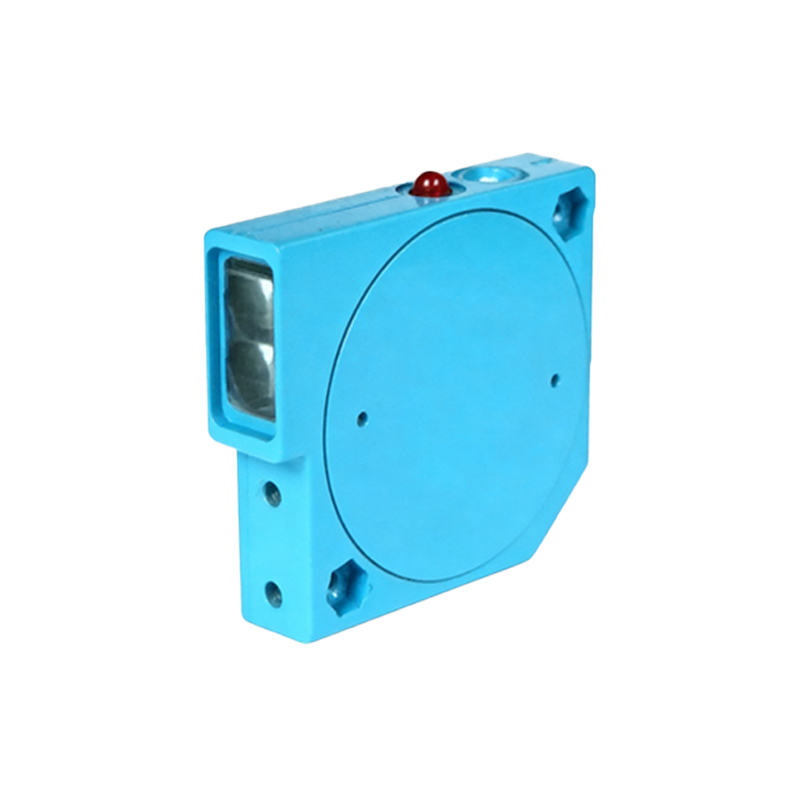
Counting is achieved through software algorithms that monitor the sensor's output over time. In block-based coding environments like LEGO MINDSTORMS EV3 or Scratch-based SPIKE apps, a common method involves a loop that samples the sensor value at intervals (e.g., every 10 milliseconds). A threshold value—determined during calibration—is used to detect transitions. For example, if the threshold is 50, a reading above 50 might register as "light," and a drop below 50 as "dark." Each complete cycle from light to dark and back can be programmed as one count. Debouncing logic is often added to ignore rapid fluctuations caused by mechanical vibrations or sensor noise, ensuring that only intentional transitions are recorded.
Calibration and Error Mitigation Strategies
Effective counting requires rigorous calibration. Engineers start by measuring sensor values for both reflective and non-reflective surfaces under operating conditions. The threshold is then set midway between these two values to maximize margin. Error sources include sensor drift due to temperature changes, uneven surface reflectivity, and timing errors in fast-counting scenarios. Mitigation involves dynamic threshold adjustment routines, averaging multiple sensor readings, and using hardware filters like capacitor circuits to smooth analog signals. In advanced setups, multiple sensors or encoder wheels with higher resolution (more segments) can increase precision, mimicking industrial optical encoders.
Applications in Educational and Prototyping Contexts
Beyond simple counting, LEGO light sensors enable complex engineering prototypes. Examples include production line counters, RPM measurement for motors, and position tracking in automated systems. In educational settings, these projects demonstrate fundamental principles of optoelectronics, digital signal processing, and feedback control. Students learn to troubleshoot real-world issues like alignment errors or threshold drift. For professional engineers, LEGO systems offer a rapid prototyping platform for validating counting logic before implementing it with industrial-grade sensors. The scalability of the concept—from basic counting to integrated systems—highlights its utility in teaching and innovation.
Conclusion and Best Practices
To optimize LEGO light sensor counting, follow these best practices: ensure consistent lighting environments, calibrate thresholds dynamically, implement software debouncing, and use high-contrast physical markers. Regular validation against known quantities (e.g., rotating a wheel with 10 segments 10 times should yield 100 counts) verifies system accuracy. While LEGO sensors have limitations in speed and resolution compared to industrial counterparts, they provide an accessible yet robust platform for understanding optical counting mechanisms. Future enhancements could involve integrating machine learning for adaptive thresholding or networking multiple sensors for distributed counting tasks.