Introduction to Proximity Switch Sensors
Proximity switch sensors are essential components in modern industrial automation, designed to detect the presence or absence of objects without physical contact. These devices operate based on electromagnetic fields, capacitive effects, or ultrasonic waves, offering reliable performance in harsh environments. They are widely used in manufacturing, packaging, and robotics for tasks such as position sensing, object counting, and safety monitoring. The key advantage lies in their durability and minimal maintenance requirements, making them a preferred choice for engineers seeking efficiency and precision.
Types of Proximity Sensors
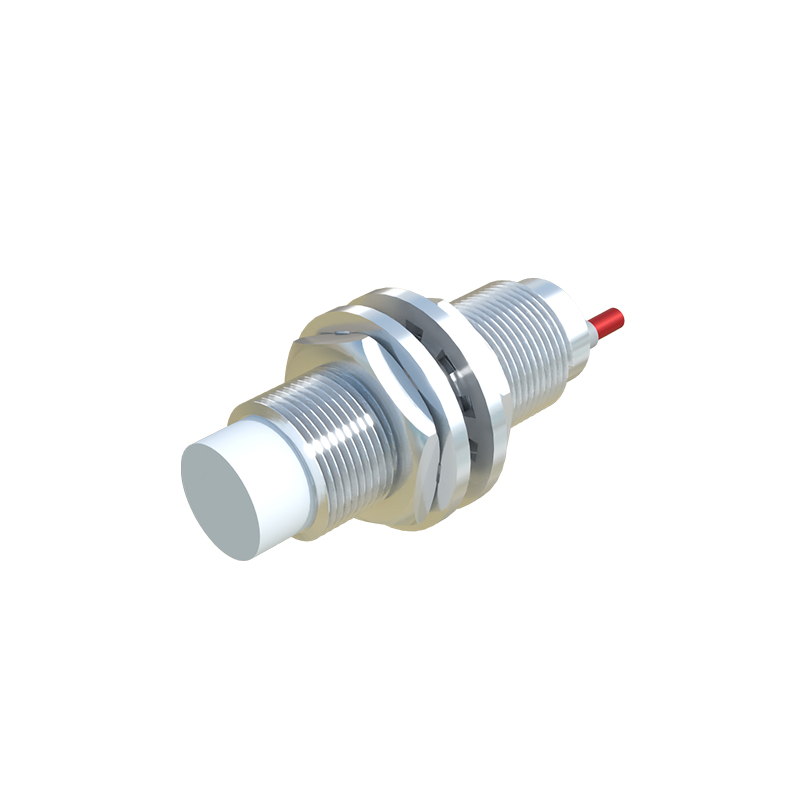
There are several types of proximity sensors, each suited for specific applications. Inductive proximity sensors detect metallic objects using electromagnetic fields, ideal for metal detection in machinery. Capacitive proximity sensors can sense both metallic and non-metallic materials by measuring changes in capacitance, commonly used in liquid level detection. Ultrasonic proximity sensors utilize sound waves to measure distance, effective for object detection in varying conditions. Photoelectric sensors employ light beams for detection, offering long-range capabilities. Selecting the right type depends on factors like material composition, environmental conditions, and required sensing range.
Key Features of Top-Performing Sensors
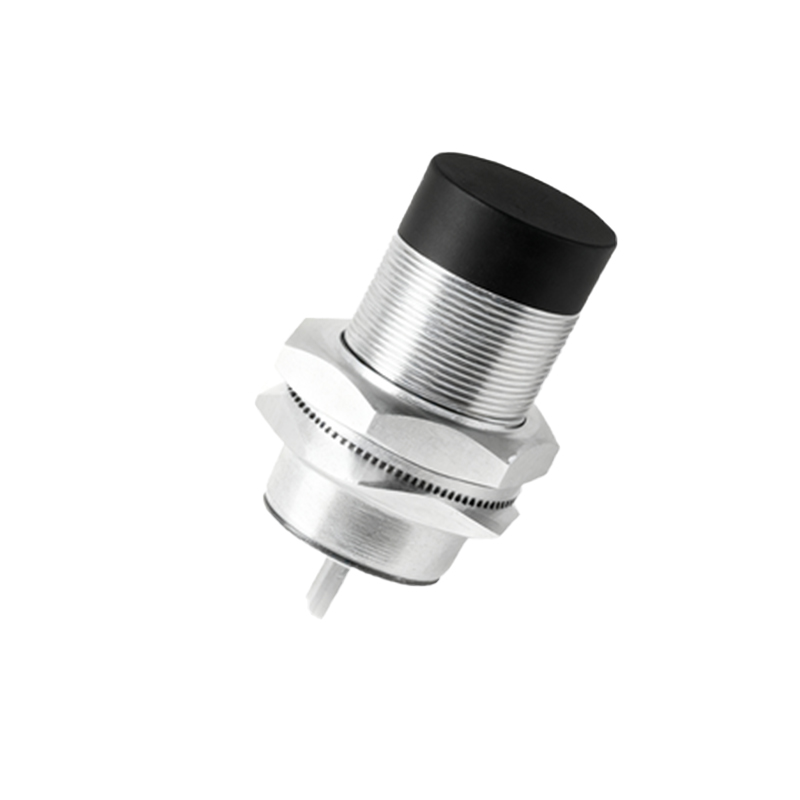
The best proximity switch sensors exhibit high accuracy, fast response times, and robust construction. Look for models with IP67 or higher ingress protection ratings to withstand dust, moisture, and temperature extremes. Advanced features include adjustable sensing ranges, LED indicators for status monitoring, and short-circuit protection. Sensors with analog or digital outputs, such as NPN or PNP configurations, provide compatibility with various control systems. Additionally, consider sensors with anti-interference capabilities to ensure stable operation in electrically noisy environments. These features collectively enhance reliability and longevity in industrial settings.
Applications in Industrial Automation
Proximity sensors play a critical role in automating processes across industries. In automotive manufacturing, they monitor assembly line positions and detect part presence. In food and beverage production, capacitive sensors ensure proper filling levels without contamination. Logistics systems use photoelectric sensors for conveyor belt control and package sorting. Safety applications include machine guarding to prevent accidents by detecting human proximity. By integrating these sensors, companies achieve higher productivity, reduced downtime, and improved safety standards, driving operational excellence.
Selection Criteria for Optimal Performance
Choosing the best proximity sensor requires evaluating several factors. Determine the sensing distance needed based on application requirements, as over- or under-specification can lead to failures. Consider the target material—inductive sensors work only with metals, while capacitive sensors handle diverse materials. Environmental conditions like temperature, humidity, and exposure to chemicals dictate the housing material and protection rating. Output type should match the control system interface, and response time must align with process speed. Consulting manufacturer datasheets and conducting field tests can help in making an informed decision.
Maintenance and Troubleshooting Tips
Regular maintenance ensures prolonged sensor life and consistent performance. Clean sensor surfaces periodically to remove debris that may interfere with detection. Check wiring connections for corrosion or looseness, and verify power supply stability. Common issues include false triggering due to environmental interference or reduced sensing range from wear. Use diagnostic tools like multimeters to test output signals and refer to error codes in manuals. Replacing sensors before complete failure prevents costly downtime. Implementing a preventive maintenance schedule based on operational hours can minimize unexpected breakdowns.
Future Trends in Proximity Sensing Technology
The future of proximity sensors is shaped by advancements in IoT and smart manufacturing. Sensors with integrated connectivity, such as IO-Link, enable real-time data monitoring and predictive maintenance. Miniaturization allows for installation in compact spaces without sacrificing performance. Enhanced materials improve resistance to extreme conditions, while AI-driven algorithms optimize detection accuracy. Energy-efficient designs reduce power consumption, supporting sustainable operations. As Industry 4.0 evolves, proximity sensors will become more intelligent, contributing to fully automated and adaptive industrial ecosystems.
Conclusion
Investing in the best proximity switch sensors is crucial for achieving high efficiency and reliability in industrial applications. By understanding sensor types, key features, and selection criteria, engineers can implement solutions that meet specific operational needs. Regular maintenance and staying updated with technological trends further enhance system performance. As automation continues to advance, these sensors will remain integral to innovative and productive industrial processes, driving growth and competitiveness in the global market.