Introduction to Photoelectric Sensors
Photoelectric sensors are pivotal components in modern industrial automation, utilizing light beams to detect the presence, absence, or distance of objects. These devices operate by emitting a light source—typically infrared, visible, or laser—and measuring the reflected or interrupted light to trigger an output signal. Their non-contact nature ensures minimal wear and tear, making them ideal for high-speed, repetitive tasks in harsh environments. Industries rely on photoelectric sensors for precise detection across diverse applications, from packaging lines to robotic assembly, due to their reliability, accuracy, and adaptability. As technology advances, these sensors have evolved to offer enhanced features like background suppression and fiber-optic capabilities, further expanding their utility in complex automation systems. Understanding their classification and specific uses is essential for optimizing industrial processes and improving efficiency.
Through-Beam Photoelectric Sensors
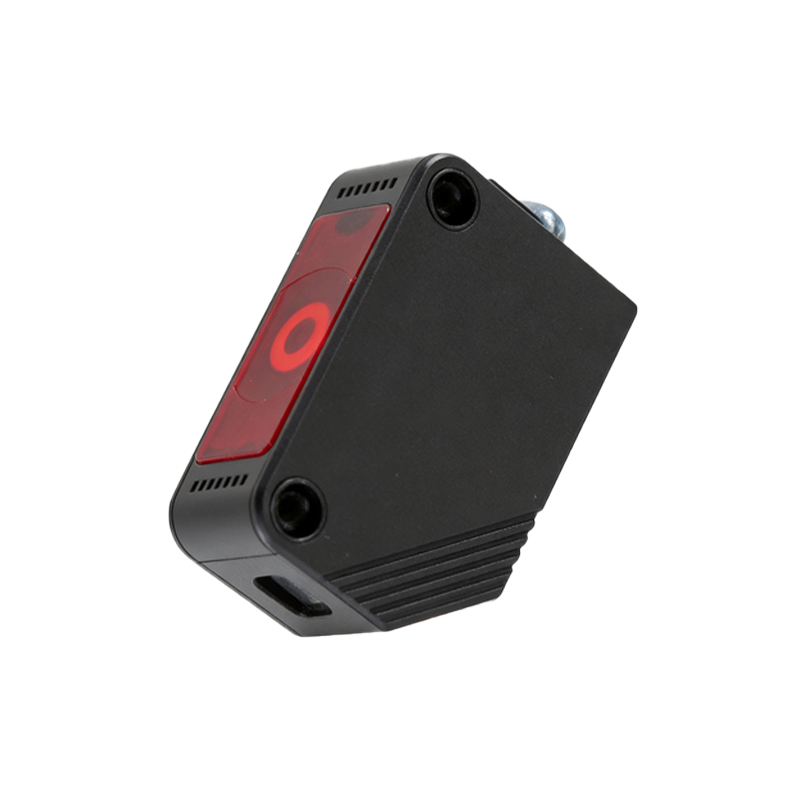
Through-beam sensors, also known as opposed-mode sensors, consist of separate emitter and receiver units positioned opposite each other. The emitter projects a continuous light beam toward the receiver, and an object is detected when it interrupts this beam. This configuration provides the longest sensing ranges among photoelectric types, often exceeding 100 meters, and is highly immune to environmental interference like dust or ambient light. Common applications include detecting large objects on conveyor belts, monitoring door positions in safety systems, and counting items in high-speed production lines. Their robustness makes them suitable for outdoor use or in industries such as mining and logistics, where reliability is critical. However, installation requires precise alignment, which can be challenging in dynamic setups.
Retroreflective Photoelectric Sensors
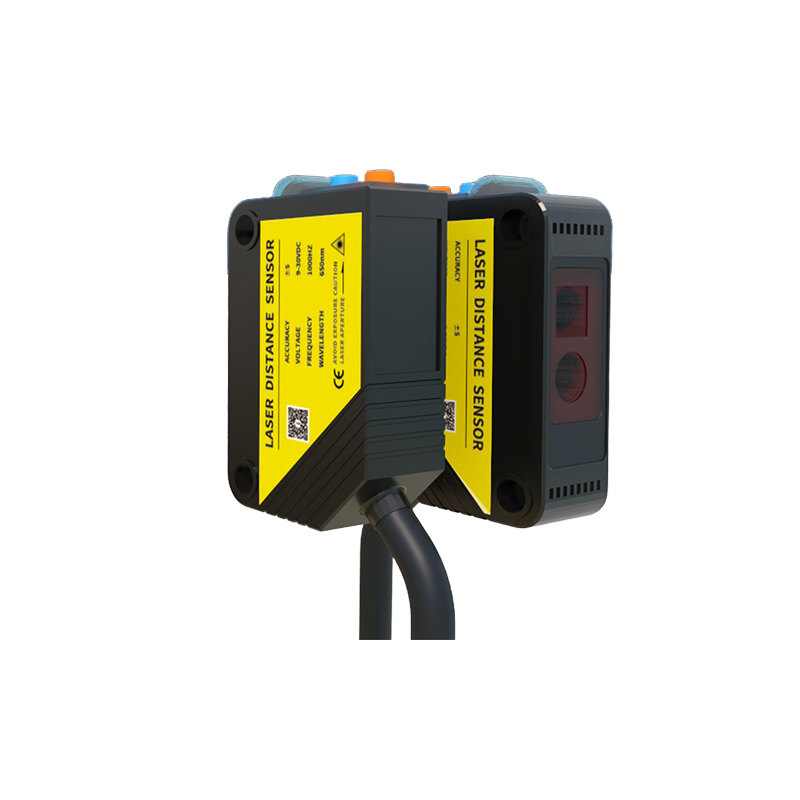
Retroreflective sensors integrate the emitter and receiver into a single housing, using a reflector to bounce the light beam back. When an object blocks the path between the sensor and reflector, the receiver detects the absence of reflected light, triggering detection. These sensors offer moderate sensing ranges, typically up to 10 meters, and are easier to install than through-beam types since only one unit needs wiring. They are widely used in packaging machinery, material handling, and automated storage systems where space is limited. A key advantage is their ability to ignore shiny objects, thanks to polarization filters that distinguish between reflector and target surfaces. However, they may struggle in environments with excessive dirt or vibration, which can misalign the reflector.
Diffuse Reflective Photoelectric Sensors
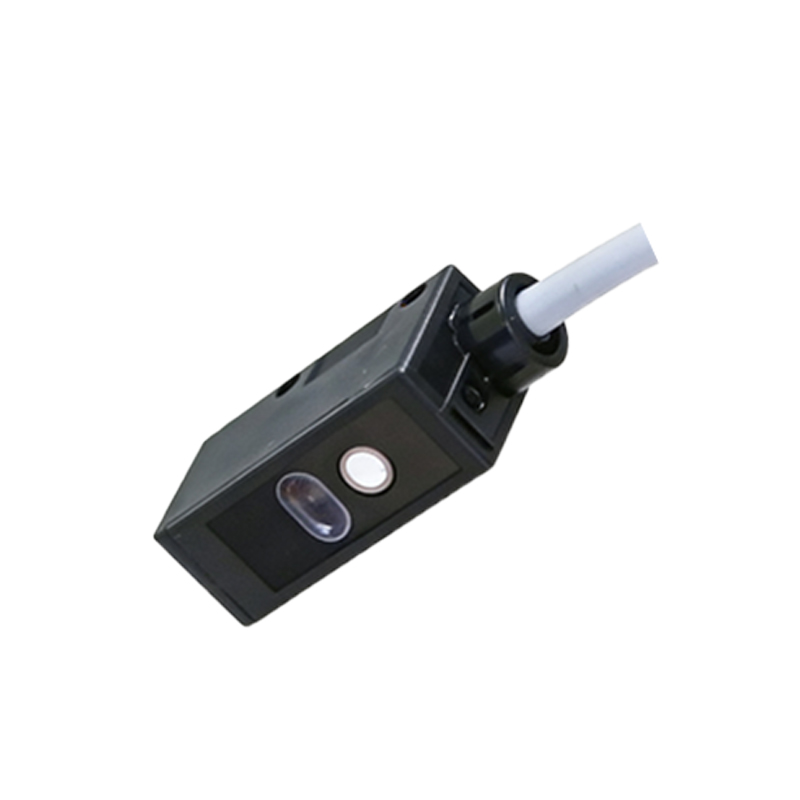
Diffuse reflective sensors, or proximity-mode sensors, house the emitter and receiver together and detect objects based on light reflected directly from the target's surface. They do not require a separate reflector, simplifying installation and reducing costs. Sensing ranges are shorter, usually under 2 meters, making them ideal for close-proximity tasks like detecting small parts on assembly lines or monitoring fill levels in containers. Advanced versions incorporate background suppression technology, which uses triangulation to ignore distant objects and focus on specific distances, enhancing accuracy in color or texture variations. These sensors are common in electronics manufacturing, food processing, and pharmaceutical industries, where hygiene and precision are paramount. Limitations include sensitivity to object color and reflectivity, which may affect performance.
Fiber-Optic Photoelectric Sensors
Fiber-optic photoelectric sensors employ flexible fiber-optic cables to transmit light between the emitter and receiver, allowing the sensing head to be placed in tight or hazardous spaces. The main electronics unit can be remotely located, protecting it from extreme temperatures, chemicals, or mechanical stress. These sensors are categorized into through-beam and diffuse types, with sensing ranges varying based on cable design. Applications include detecting minute components in semiconductor fabrication, monitoring high-temperature processes in metalworking, and ensuring safety in explosive atmospheres. Their small size and immunity to electromagnetic interference make them versatile for specialized environments. However, fiber-optic cables can be fragile and require careful handling to avoid damage.
Laser-Based Photoelectric Sensors
Laser sensors use focused laser beams for high-precision detection, offering exceptional accuracy and long ranges, often up to several hundred meters. They are particularly effective for measuring small objects, detecting edges, or performing alignment tasks in robotics and CNC machinery. Types include through-beam, retroreflective, and diffuse models, with applications spanning automotive quality control, lumber sizing, and warehouse automation. Laser sensors provide stable performance even in challenging conditions, such as detecting transparent materials or operating in bright ambient light. Despite their higher cost, their precision justifies use in critical processes where error margins are minimal. Safety precautions are necessary, as laser beams can pose eye hazards if not properly shielded.
Application Areas in Industrial Automation
Photoelectric sensors serve diverse roles across industries, enhancing automation and safety. In manufacturing, they enable object detection for robotic arms, part counting, and conveyor belt monitoring, boosting production speed and reducing errors. The logistics sector utilizes them for parcel sorting, inventory management, and automated guided vehicle (AGV) navigation. In food and beverage, sensors ensure proper filling, labeling, and packaging while maintaining hygiene standards. Automotive plants rely on them for assembly verification and weld inspection. Emerging trends include integration with IoT systems for real-time data analytics, enabling predictive maintenance and smarter factory operations. By selecting the appropriate sensor type, engineers can optimize performance, minimize downtime, and adapt to evolving industrial demands.
Selection Criteria and Best Practices
Choosing the right photoelectric sensor involves evaluating factors like sensing range, environmental conditions, target properties, and output requirements. For long-distance detection, through-beam or laser sensors are preferred, while diffuse types suit close-range applications. Consider ambient light, dust, and temperature to ensure durability—for instance, fiber-optic sensors excel in harsh settings. Target color, size, and reflectivity influence accuracy; background suppression models help with inconsistent surfaces. Output options include digital signals for simple on/off control or analog signals for distance measurement. Installation best practices include proper alignment, regular cleaning to prevent contamination, and testing under operational conditions. Consulting manufacturer guidelines and conducting pilot tests can prevent failures and extend sensor lifespan, ultimately supporting efficient automation systems.