Introduction to Capacitive Proximity Sensing
Capacitive proximity sensors are versatile electronic devices widely used in industrial automation, consumer electronics, and safety systems. Unlike inductive sensors that detect only metallic objects, capacitive sensors can sense a broad range of materials, including liquids, plastics, wood, and granular substances. This capability stems from their operating principle, which relies on changes in capacitance. At its core, a capacitive proximity sensor functions by generating an electrostatic field and monitoring disturbances caused by the presence of a target object. The sensor typically consists of an oscillator circuit, a sensing electrode (often the sensor face itself), and signal conditioning electronics. When no object is within the detection range, the oscillator operates at a baseline frequency. As an object approaches the sensing electrode, it alters the dielectric properties of the surrounding space, leading to a measurable change in capacitance. This change triggers the sensor's output to switch states, indicating detection. The ability to detect non-metallic materials makes capacitive sensors indispensable in applications such as level detection in tanks, touch-sensitive interfaces, and object presence verification in packaging lines.
Fundamental Working Principle
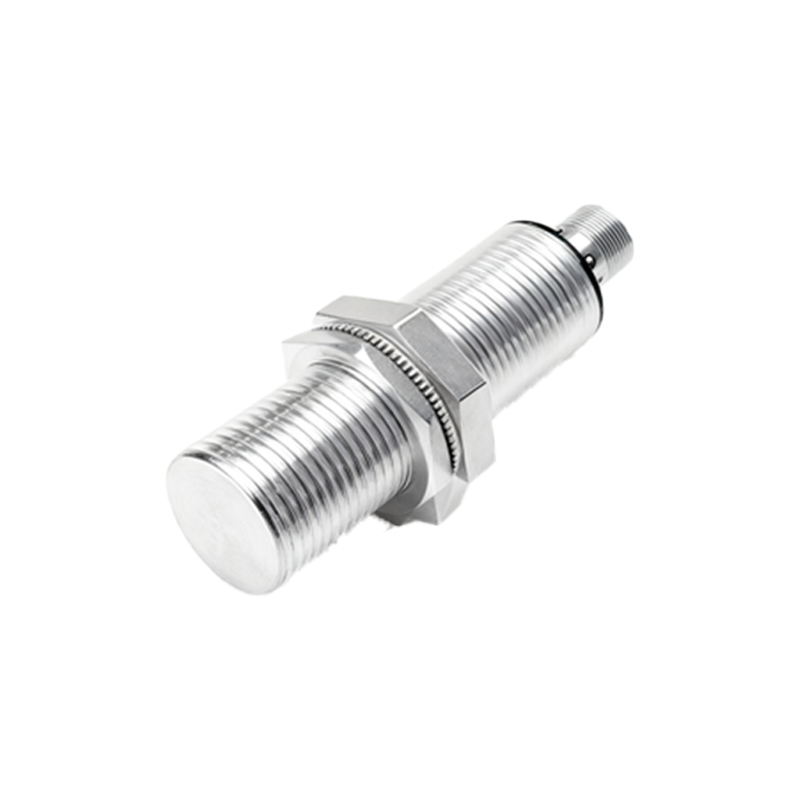
The fundamental principle of capacitive proximity sensors is based on capacitance, which is the ability of a system to store an electric charge. Capacitance (C) is determined by three factors: the surface area of the electrodes (A), the distance between them (d), and the dielectric constant (ε) of the material between the electrodes. The relationship is expressed by the formula C = ε A / d. In a capacitive sensor, one electrode is the active sensing surface, while the other can be the ground or the target object itself. The sensor generates an alternating electric field from the sensing electrode. When a target object enters this field, it acts as a second electrode or alters the dielectric constant, thereby changing the overall capacitance. For conductive materials like metals, the object effectively becomes a grounded electrode, increasing capacitance significantly. For non-conductive materials, the object's higher dielectric constant compared to air (e.g., water has ε ≈ 80, while air ε ≈ 1) increases capacitance by modifying the field's properties. This capacitance change is detected by the sensor's internal circuitry, typically an RC oscillator or a capacitance-to-digital converter, which converts it into a usable output signal.
Internal Circuitry and Detection Mechanism
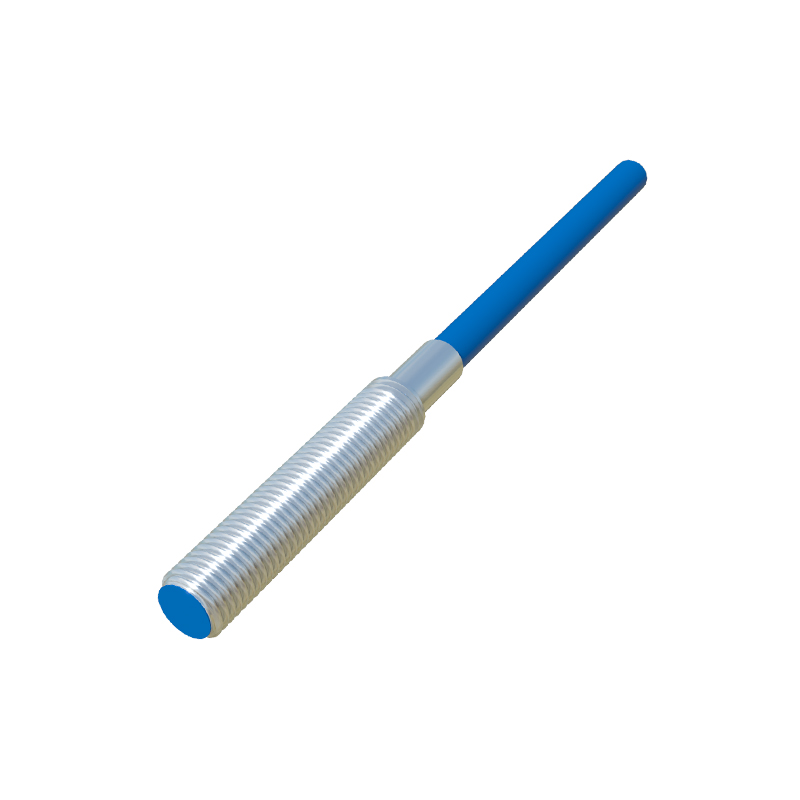
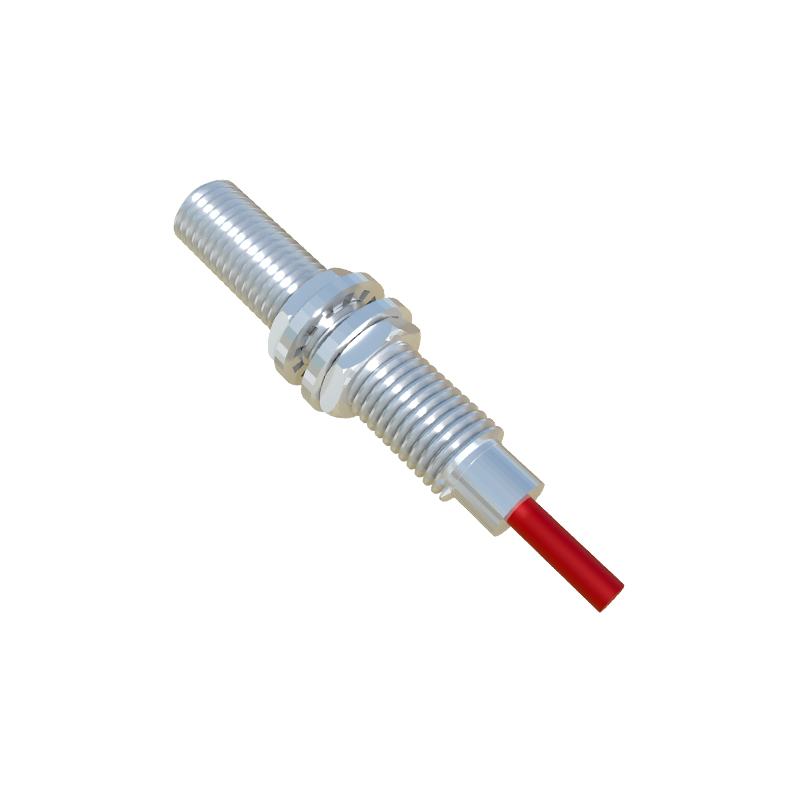
The internal circuitry of a capacitive proximity sensor is designed to sensitively measure minute changes in capacitance. Most sensors employ an RC oscillator circuit, where the sensing electrode forms part of the capacitor in the oscillator. The oscillator's frequency depends on the RC time constant; as capacitance changes with object proximity, the frequency shifts accordingly. This frequency modulation is monitored by a demodulator and comparator circuit. When the frequency deviation exceeds a predefined threshold—set by the sensitivity adjustment—the output stage activates, switching a solid-state relay or providing an analog signal. Advanced sensors may incorporate microcontrollers for digital signal processing, enabling features like noise immunity, temperature compensation, and programmable detection ranges. The sensitivity adjustment is crucial, as it allows users to calibrate the sensor for specific materials and environmental conditions, preventing false triggers from humidity or dust. Additionally, shielding around the sensing electrode helps confine the electric field, making the sensor less susceptible to interference and ensuring directional detection.
Key Design Considerations and Applications
Designing and applying capacitive proximity sensors requires careful consideration of several factors to ensure reliable operation. The detection range is influenced by the sensor size, electrode design, and material properties of the target. Typically, ranges vary from a few millimeters to about 50 millimeters. Environmental conditions such as humidity, temperature, and contaminants can affect performance, necessitating sensors with robust housings (e.g., IP67 rated) and compensation algorithms. In industrial settings, capacitive sensors are commonly used for liquid level control in tanks, where they detect the presence of fluids through container walls (non-invasive sensing). In consumer electronics, they enable touch-sensitive buttons and proximity detection in smartphones. Other applications include object counting on conveyor belts, paper or plastic film break detection, and presence sensing in hazardous areas where non-contact operation is essential. Compared to optical or inductive sensors, capacitive types offer unique advantages in handling diverse materials but may require tuning to avoid interference from unintended objects.
Advantages and Limitations
Capacitive proximity sensors offer distinct advantages that make them suitable for many applications. Their ability to detect both conductive and non-conductive materials provides flexibility unmatched by inductive sensors. They can sense through non-metallic barriers, allowing for concealed installation. Moreover, they are generally insensitive to color, transparency, or surface texture, focusing instead on material dielectric properties. However, limitations exist. Sensitivity to environmental changes, such as moisture or temperature fluctuations, can lead to drift in