Introduction to Photoelectric Sensor Technology in Toys
The world of children's play is undergoing a quiet revolution, driven by the integration of sophisticated yet accessible technologies. Among these, photoelectric sensors have emerged as a pivotal component, transforming simple toys into interactive learning platforms. At its core, a photoelectric sensor is a device that uses a light emitter, typically an LED, and a photodetector to sense the presence, absence, or distance of an object. In the context of toys, this technology translates physical interaction into a digital response, creating a tangible bridge between the real world and programmed outcomes. This seamless fusion of hardware and software is not merely about entertainment; it's about demystifying the principles of automation, robotics, and smart systems for the youngest minds. By embedding these sensors into playful constructs, manufacturers are crafting experiences that are both intuitively engaging and intellectually stimulating.
How Photoelectric Sensors Work in Playful Applications
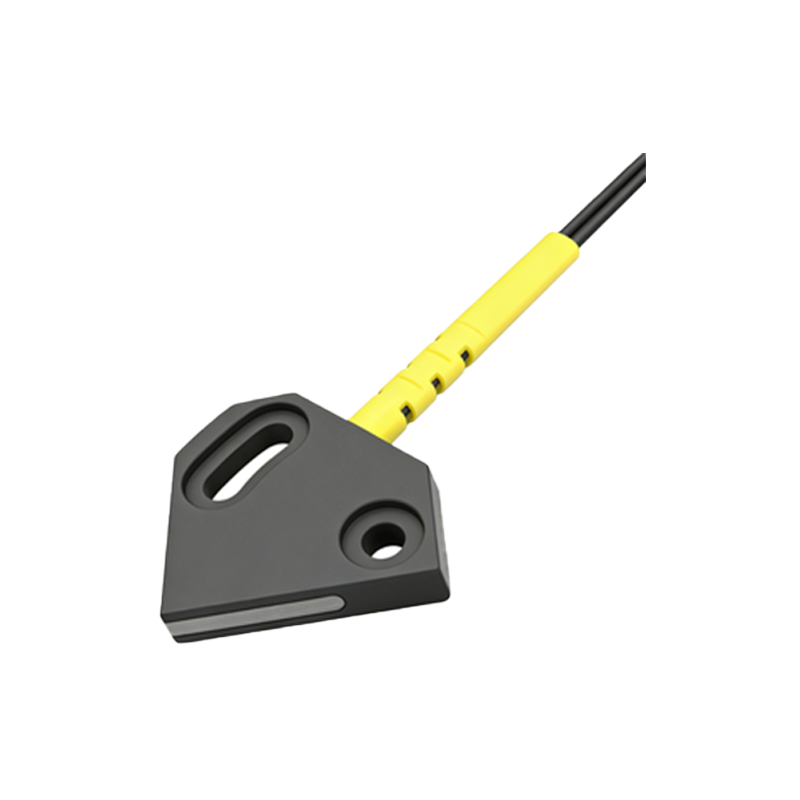
The operational principle within toys is elegantly simplified. Consider a toy race track where a car automatically starts when a hand wave breaks a beam of light. Here, an infrared LED constantly emits an invisible beam towards a receiver. When the beam is uninterrupted, the circuit is in a "standby" state. The moment a child's hand or another object interrupts this beam, the receiver detects the change in light intensity. This signal is processed by a small microcontroller, which then triggers a pre-programmed action—such as activating a motor to launch the car. Another common application is in line-following robots. A sensor array with multiple infrared emitter-receiver pairs scans the surface. Dark lines absorb more infrared light than the reflective surface, causing a detectable difference in the signal returned to the receivers. The toy's brain uses this differential data to adjust wheel motors, keeping the robot on track. This hands-on demonstration of feedback loops and error correction is fundamental to engineering.
Educational Benefits and Skill Development
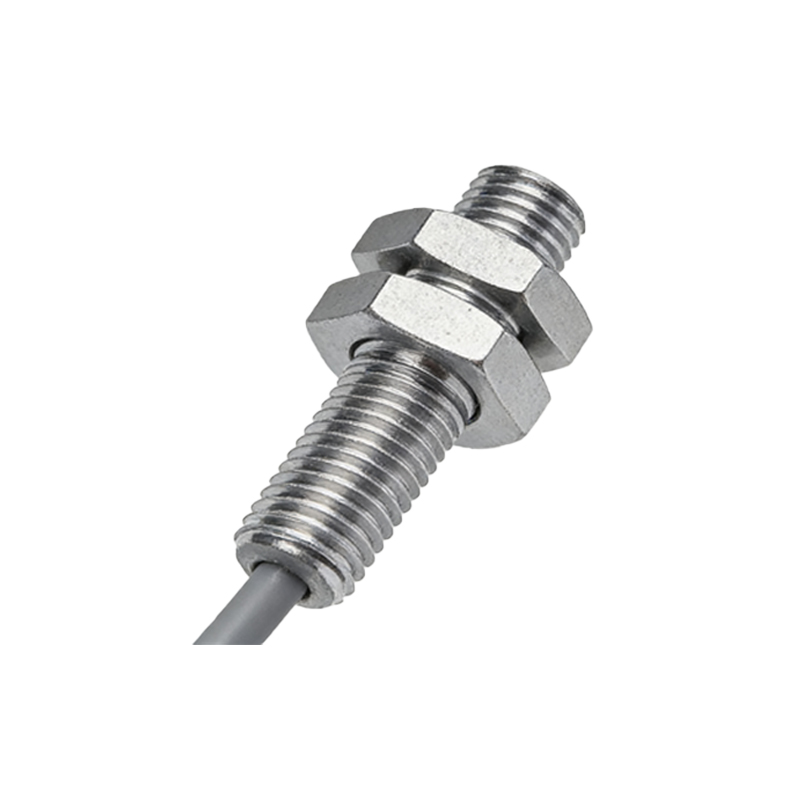
The educational payload of photoelectric sensor toys is substantial. Firstly, they introduce foundational STEM (Science, Technology, Engineering, and Mathematics) concepts in a concrete, non-intimidating way. Children learn about light properties, reflection, and basic circuitry through direct experimentation. Secondly, these toys nurture computational thinking. As kids interact with the toy's logic—"if the beam is broken, then the car moves"—they internalize the basics of conditional programming and cause-and-effect relationships. This lays the groundwork for more advanced coding skills later. Furthermore, such toys enhance problem-solving abilities and perseverance. When a line-following robot veers off course, a child is motivated to adjust the track's line or troubleshoot the sensor's alignment, engaging in a mini-engineering design cycle. Fine motor skills and spatial reasoning are also honed during the assembly and play process.
Popular Categories of Sensor-Enabled Toys
The market offers a diverse range of toys leveraging photoelectric sensor technology, catering to various age groups and interests. Robotic kits are perhaps the most prominent category. These often involve building a robot from modular parts and programming it to perform tasks like navigating a maze using infrared or ultrasonic distance sensors. Interactive storybooks and board games use sensors to create augmented reality experiences, where placing a token on a specific page triggers audio narration or visual effects. Science experiment kits allow children to build their own simple security alarms, counters, or light-activated switches, providing a deep dive into electronic fundamentals. Even classic toys like marble runs or train sets have been upgraded with sensor gates that count laps or trigger sound effects, adding a layer of digital interactivity to traditional physical play.
Safety Considerations and Design Standards
Integrating electronic components into children's products necessitates rigorous safety protocols. Reputable manufacturers adhere to strict international standards (such as IEC 62115 or ASTM F963) that govern electrical safety, mechanical hazards, and material toxicity. For photoelectric sensors specifically, the light sources used are always low-power LEDs, typically in the infrared spectrum, which pose no risk to children's eyesight. The enclosures are designed to be robust, preventing access to small components or batteries. Furthermore, the software and interaction design prioritize positive and predictable feedback, avoiding startling reactions or frustratingly complex sequences that could lead to disengagement or unsafe handling. Parental guidance is recommended for toys with smaller parts or those requiring battery installation to ensure a safe and rewarding play experience.
The Future of Smart Play
The trajectory for photoelectric sensor toys points towards greater integration, intelligence, and accessibility. Future iterations will likely feature more sophisticated sensor fusion, combining light sensors with accelerometers, gyroscopes, and touch sensors to create richer, multi-modal interactions. Connectivity with tablets or smartphones will allow for deeper programmability and data logging, turning play sessions into analytics-friendly learning experiences. As the cost of components continues to fall, these smart toys will become more prevalent, moving from niche educational products to mainstream playthings. Ultimately, the goal is to foster a generation that is not just passive consumers of technology but curious, confident creators and problem-solvers, with their first lessons learned not in a classroom, but on the playroom floor with a sensor-equipped toy responding to their every move.