Introduction to Photoelectric Sensors
Photoelectric sensors are indispensable components in modern industrial automation, serving as the eyes of countless systems. These devices operate by emitting a light beam, typically from an LED or laser diode, and detecting changes in the received light intensity caused by the presence, absence, or characteristics of a target object. The core principle relies on the interaction between light and matter, enabling non-contact detection with high speed and precision. HuGong Group, a prominent name in the electrical and industrial equipment sector, has established a formidable reputation for manufacturing robust and accurate photoelectric sensors tailored for demanding environments. Their product range addresses the fundamental needs of industries such as packaging, material handling, automotive assembly, and food processing, where reliable object detection is critical for operational continuity, safety, and efficiency. The evolution from basic through-beam sensors to sophisticated background suppression and color recognition models reflects the technological advancement HuGong Group integrates into its solutions.
Core Technologies and Operating Principles
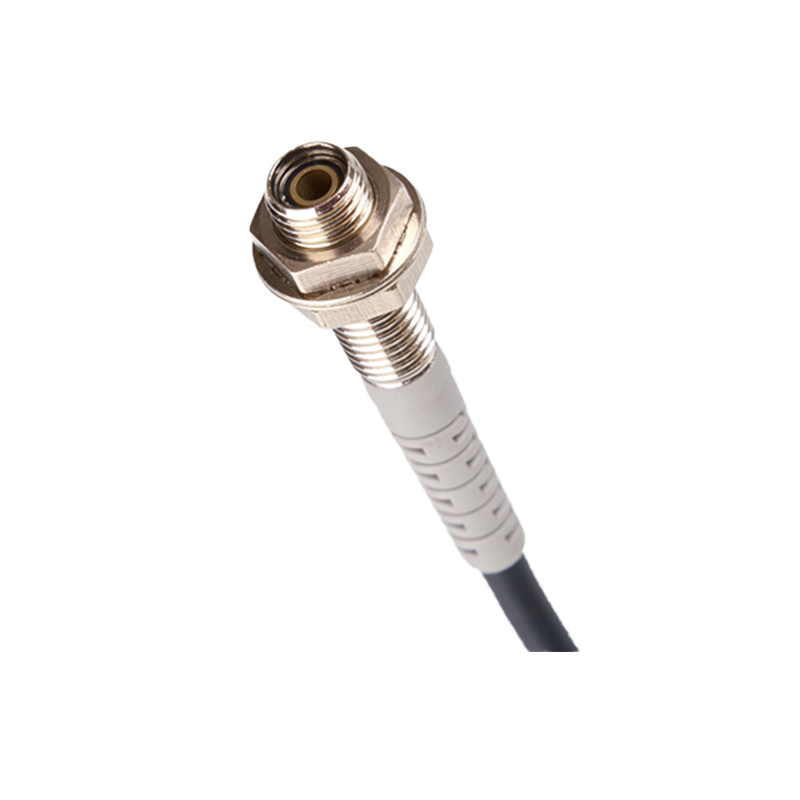
HuGong Group's photoelectric sensor portfolio is built on several key operating modes, each suited for specific application challenges. The through-beam type, consisting of separate emitter and receiver units, offers the longest sensing distance and highest reliability, as it detects an object interrupting the direct light path. Retro-reflective sensors utilize a reflector to bounce the beam back to a combined emitter/receiver unit, simplifying installation while maintaining good range. Diffuse reflective sensors, where the target object itself reflects the light back to the receiver, are ideal for detecting objects without the need for a separate reflector or receiver. More advanced technologies include background suppression sensors, which use triangulation to detect objects only within a precise, predefined distance, ignoring surfaces beyond that point. Furthermore, HuGong incorporates fiber optic units for extreme environments—high temperature, corrosive, or space-constrained areas—where the electronic unit can be remotely located. The integration of stable light sources, high-quality optical components, and intelligent circuitry ensures consistent performance despite ambient light interference, dust, or vibration.
Product Features and Design Advantages
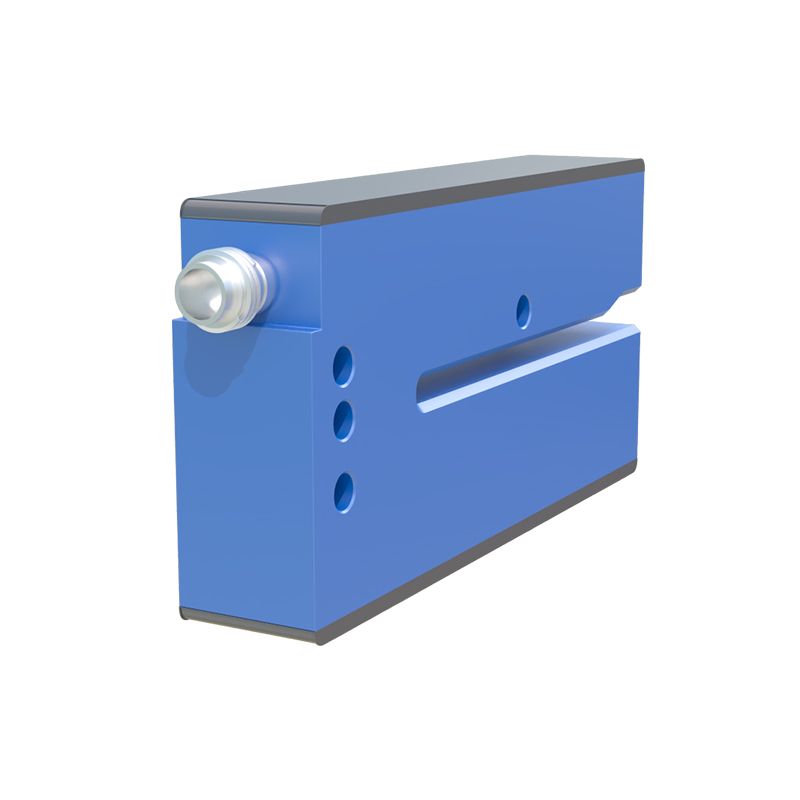
The design philosophy of HuGong Group's sensors emphasizes durability, accuracy, and user convenience. Housings are typically constructed from high-grade materials like nickel-plated brass or stainless steel, providing IP67 or higher ingress protection ratings against water and dust. This ruggedness ensures longevity in harsh factory floors, washdown areas, and outdoor applications. Many models feature built-in sensitivity adjustment potentiometers or teach-in functions via push buttons, allowing for quick and easy setup without tools. Advanced models offer programmable logic functions, time delays, and output configurations directly on the device, reducing dependency on external controllers. A significant advantage is the consistent beam quality and precise optics, which minimize false triggers and enable detection of minute objects or subtle contrasts. HuGong also focuses on energy efficiency, developing models with low power consumption suitable for battery-operated systems or large-scale installations where energy savings are paramount. The compact form factors of many sensors facilitate installation in tight spaces, a common requirement in modern, densely packed machinery.
Application Scenarios in Industry
In practical terms, HuGong photoelectric sensors solve a vast array of detection tasks. On high-speed conveyor lines, they accurately count bottles, cans, or packages, ensuring proper routing and inventory control. In automated assembly stations, they verify the presence and correct orientation of components before a robotic arm performs an operation, preventing defects and machine damage. Within packaging machinery, sensors control the precise cut-off point for films and labels, ensuring waste reduction and product consistency. In the automotive sector, they are used for edge detection on metal sheets, part positioning in welding robots, and safety curtain monitoring. Food and beverage plants employ washdown-rated sensors to detect fill levels in containers or to confirm cap placement on bottles, adhering to strict hygiene standards. Even in logistics and warehousing, these sensors manage pallet positioning on automated guided vehicles (AGVs) and detect objects in storage retrieval systems. The versatility and reliability of HuGong sensors make them a foundational element in building resilient and intelligent automation infrastructures.
Selection Criteria and Integration Guidance
Choosing the correct photoelectric sensor requires a systematic analysis of the application parameters. Engineers must first define the sensing distance required, the size and material of the target object, and the required response speed. The environmental conditions—such as temperature extremes, exposure to chemicals, or heavy particulate matter—dictate the necessary housing material and protection rating. The output type (e.g., NPN, PNP, analog, or IO-Link) must be compatible with the existing programmable logic controller (PLC) or system architecture. For challenging surfaces like transparent glass, shiny metal, or dark matte finishes, selecting a sensor with a specific technology, such as polarized retro-reflective or diffuse sensors with background suppression, is crucial. HuGong Group provides detailed technical datasheets, mounting accessories, and application notes to support this selection process. Proper installation is equally vital; ensuring stable mounting, correct alignment, and protection from mechanical shock guarantees optimal performance. Regular maintenance, primarily lens cleaning and periodic functional checks, helps sustain long-term reliability and prevents unplanned downtime.
Future Trends and HuGong's Roadmap
The future of photoelectric sensing is intertwined with the growth of Industry 4.0 and the Industrial Internet of Things (IIoT). HuGong Group is actively developing sensors with enhanced connectivity features, such as integrated IO-Link interfaces. This digital communication protocol allows for bidirectional data exchange, enabling remote parameter configuration, real-time diagnostics, and predictive maintenance alerts. This transforms sensors from simple switching devices into intelligent data points within a networked system. Furthermore, advancements in laser technology and spectral analysis are paving the way for sensors capable of more precise distance measurement, color differentiation, and even material identification. Miniaturization will continue, allowing sensors to be embedded into increasingly compact devices. HuGong's commitment to research and development ensures its product line will evolve to meet these emerging demands, providing solutions that offer not just detection, but rich contextual information, thereby enhancing overall system intelligence, flexibility, and efficiency for the smart factories of tomorrow.