Introduction to Proximity Sensors in Elevator Systems
Proximity sensors are integral components in modern elevator systems, specifically within the elevator car, where they play a crucial role in ensuring operational safety, precision, and efficiency. These sensors detect the presence or absence of objects without physical contact, utilizing technologies such as inductive, capacitive, or magnetic principles. In elevator applications, they are primarily employed to monitor door positions, detect obstructions, and facilitate smooth floor-leveling. The non-contact nature of proximity sensors minimizes wear and tear, reducing maintenance needs and enhancing reliability. As elevators become more advanced with smart features and energy-saving demands, the selection and implementation of high-quality proximity sensors have become a focal point for engineers and manufacturers aiming to comply with stringent safety standards like EN 81-20/50.
Key Types and Technologies Used
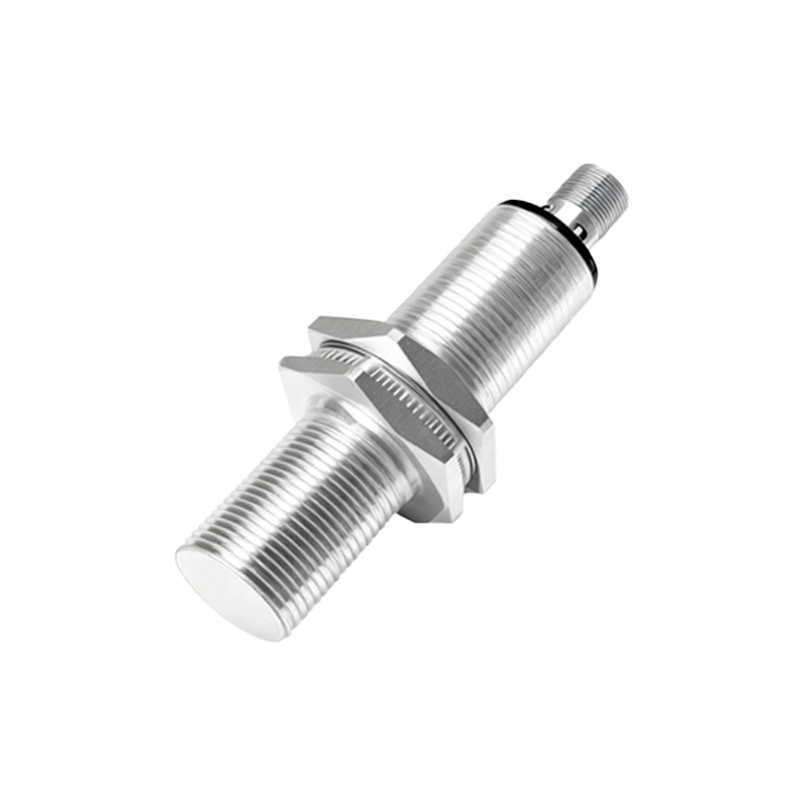
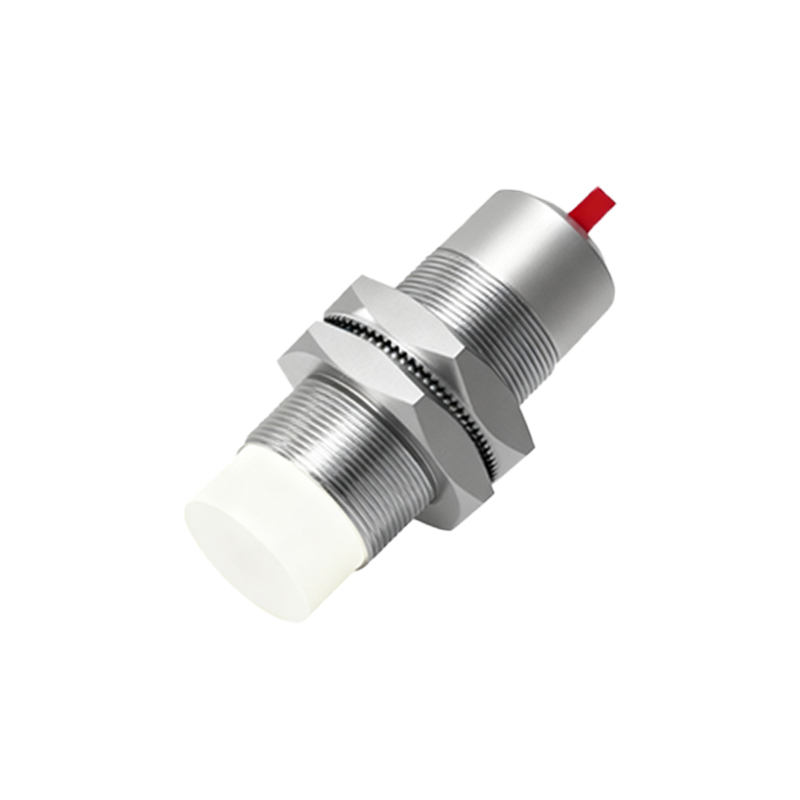
Several types of proximity sensors are utilized in elevator cars, each suited for specific functions. Inductive sensors are common for detecting metallic objects, such as door edges or car frames, offering high accuracy and resistance to environmental factors like dust or moisture. Capacitive sensors can detect non-metallic materials, making them ideal for obstruction detection in doorways where passengers or objects might be present. Magnetic sensors, including reed switches or Hall effect sensors, are often used for position sensing, such as determining if doors are fully closed or open. Additionally, ultrasonic and infrared sensors may be employed for advanced applications like passenger counting or presence detection. The choice depends on factors like sensing range, response time, and environmental conditions within the shaft and car.
Applications in Elevator Safety and Control
In elevator cars, proximity sensors contribute significantly to safety and control systems. One primary application is door operation: sensors ensure that doors open and close smoothly, preventing accidents by detecting obstacles and triggering reversal mechanisms. For instance, if a passenger or object blocks the door, a capacitive or infrared sensor can signal the control unit to halt or reopen the door, avoiding entrapment or injury. Another critical use is in floor-leveling, where sensors provide feedback on the car's position relative to landing floors, enabling precise alignment for safe entry and exit. This minimizes tripping hazards and improves accessibility. Moreover, sensors monitor the car's movement and speed, integrating with emergency systems to activate brakes or alarms if anomalies are detected, thereby enhancing overall ride safety.
Installation and Maintenance Considerations
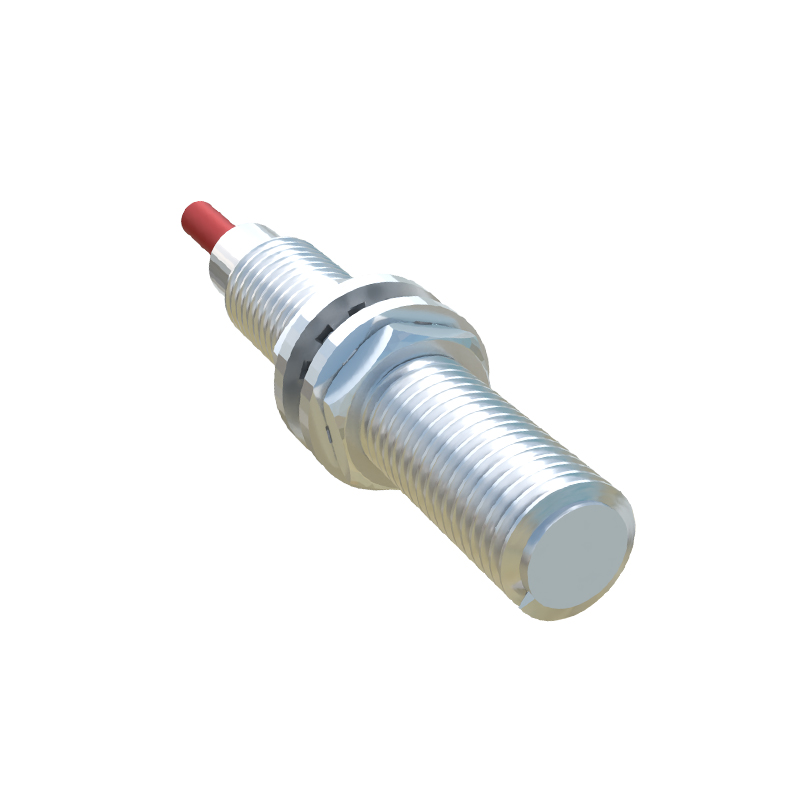
Proper installation and maintenance of proximity sensors are vital for optimal elevator performance. During installation, engineers must consider placement to avoid interference from electromagnetic sources or mechanical vibrations, which can affect sensor accuracy. For example, inductive sensors should be mounted close to metallic targets but shielded from stray metal parts. Regular maintenance involves checking for alignment issues, cleaning sensor surfaces to prevent false triggers from dirt buildup, and testing response times to ensure compliance with safety regulations. Many modern sensors feature self-diagnostic capabilities, alerting technicians to faults via the elevator's control system. Preventive maintenance schedules, based on manufacturer guidelines and usage patterns, help extend sensor lifespan and reduce downtime, ensuring continuous elevator availability.
Advantages Over Traditional Mechanical Switches
Proximity sensors offer several advantages over traditional mechanical switches in elevator applications. Their non-contact operation eliminates physical wear, leading to longer service life and fewer replacements. This reduces maintenance costs and improves reliability, as there are no moving parts to degrade over time. Additionally, proximity sensors provide faster response times, enhancing real-time control for door operations and leveling. They are also more resistant to environmental challenges, such as humidity or temperature fluctuations in elevator shafts, thanks to sealed designs. From an energy efficiency perspective, these sensors consume less power and integrate seamlessly with digital control systems, supporting smart elevator features like predictive maintenance and energy-saving modes. Overall, they contribute to smoother, quieter, and more sustainable elevator operations.
Future Trends and Innovations
The future of proximity sensors in elevator cars is shaped by trends toward IoT integration and smart building ecosystems. Emerging sensors are becoming more compact, with enhanced sensitivity and wireless connectivity, allowing for real-time data transmission to cloud-based monitoring platforms. This enables predictive maintenance, where sensor data analytics can forecast potential failures before they occur, minimizing disruptions. Innovations like AI-driven sensors may adapt to usage patterns, optimizing door timing or energy use based on passenger flow. Furthermore, advancements in materials and miniaturization are leading to sensors that can be embedded in car walls or floors for discreet operation. As elevators evolve into connected mobility solutions, proximity sensors will play a pivotal role in enhancing safety, efficiency, and user experience, aligning with global standards for smart urbanization.
SEO