Understanding Proximity Sensor Transducers
A proximity sensor transducer is a fundamental component in industrial automation and control systems. At its core, it is a device that converts the physical presence or absence of a target object into an electrical signal without any physical contact. This non-contact detection capability is its primary advantage, leading to high reliability, long operational life, and minimal maintenance. The term "transducer" is key here, as it emphasizes the conversion of one form of energy (the proximity of an object) into another (an electrical output). These sensors are the eyes of a machine, providing critical data for positioning, counting, inspection, and safety applications across countless industries, from automotive assembly to food packaging and material handling.

Primary Types of Proximity Sensor Transducers
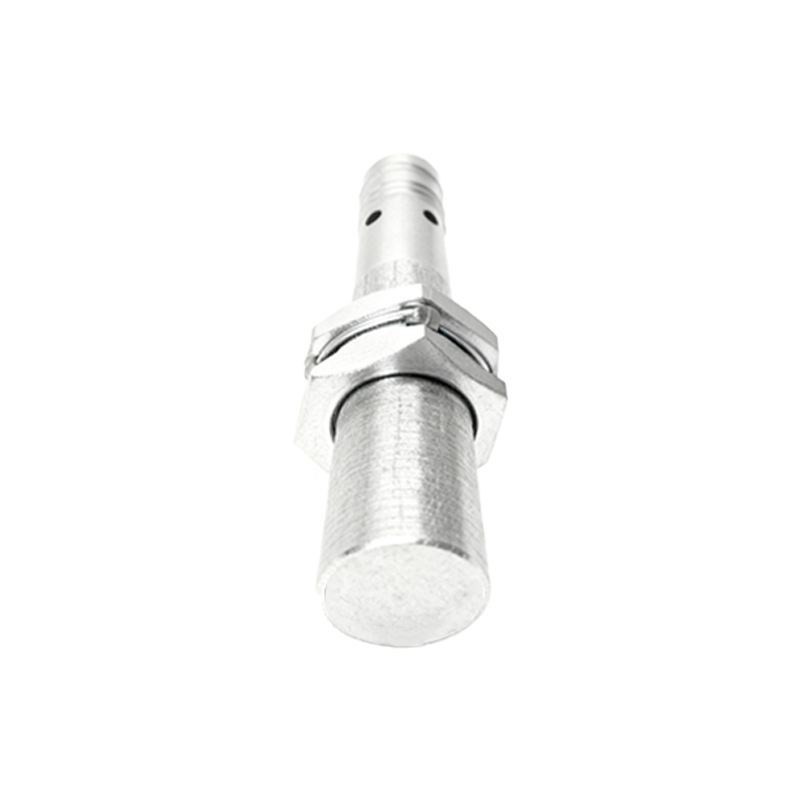
Several technologies underpin the operation of proximity sensors, each with distinct principles and ideal use cases. Inductive proximity sensors are the most common for detecting metallic objects. They generate an electromagnetic field; when a metal target enters this field, it causes a change in oscillation, which the sensor's circuitry detects and converts into a switched output. Capacitive proximity sensors, on the other hand, can detect both metallic and non-metallic materials like plastics, wood, liquids, and granules. They function by sensing changes in capacitance caused by the dielectric properties of a target entering an electrostatic field. Photoelectric sensors use light beams (visible, infrared, or laser) to detect objects. The transducer function occurs when the target interrupts or reflects the light beam, and a photoelectric element converts this change in light intensity into an electrical signal. Finally, ultrasonic sensors emit high-frequency sound waves and measure the time for the echo to return, transducing distance into an electrical output, effective for various materials and in challenging environments with dust or vapor.
Key Output Signals and Electrical Conversion
The transducing action culminates in a specific electrical output signal. The most straightforward is the digital or discrete output, typically in the form of a solid-state switch (PNP or NPN for DC sensors) or a relay contact. This provides a simple ON/OFF signal indicating target presence. Analog output sensors provide a continuous signal proportional to the distance to the target. Common analog standards include 0-10V DC, 0-20mA, or the more robust 4-20mA current loop, which is less susceptible to voltage drop over long wire runs. Some advanced sensors feature IO-Link, a digital communication protocol that not only provides switch status but also allows for parameter setting, diagnostics, and process value transmission (e.g., exact distance), representing a smarter level of transduction and integration into Industry 4.0 networks.
Critical Applications in Modern Industry
The applications for proximity sensor transducers are vast and critical to operational efficiency. In manufacturing, they are used for precise part positioning on conveyor lines, verifying the presence of components in an assembly fixture, and counting products. Inductive sensors are indispensable in metal machining for tool wear detection and end-of-travel limits on CNC machines. Capacitive sensors excel in liquid level control in tanks or detecting filled levels in non-metallic containers. Photoelectric sensors are vital for transparent object detection in bottling plants or label verification on packaging lines. Ultrasonic sensors provide reliable level sensing for bulk solids in silos or distance measurement in automated guided vehicles (AGVs). In each case, the reliable conversion of a physical condition into a trustworthy electrical signal enables automated decision-making and control.
Factors for Selecting the Right Transducer
Selecting the appropriate proximity sensor transducer requires careful consideration of several parameters. First, identify the target material (metal, plastic, liquid) to narrow the technology choice (inductive, capacitive, etc.). The sensing range, or the maximum distance at which the sensor can reliably detect the target, is crucial and must be specified with a safety margin. Environmental conditions are paramount; factors like temperature extremes, washdown requirements (IP67/IP69K ratings), exposure to oils, coolants, or welding spatter will dictate the required housing material (often stainless steel or PBT plastic) and ingress protection rating. The output type (discrete, analog, IO-Link) must match the input requirements of the connected controller (PLC, relay). Finally, electrical characteristics such as operating voltage (10-30V DC, 90-250V AC) and current rating must be compatible with the plant's power supply and load.
Installation and Calibration Best Practices
Proper installation is essential for optimal performance. For inductive and capacitive sensors, maintaining the correct mounting distance from the target and from adjacent metal surfaces (to avoid mutual interference) is critical. Photoelectric sensors must be aligned correctly, and their lenses kept clean. Ultr