In industrial settings where flammable gases, vapors, or combustible dusts are present, standard electrical equipment poses a significant risk. A single spark from a switch could trigger a catastrophic explosion. This is where explosion-proof limit switches become indispensable. These specialized devices are engineered to contain any internal explosion and prevent it from igniting the surrounding hazardous atmosphere, ensuring operational safety and continuity.
An explosion-proof limit switch, often referred to as a hazardous location limit switch, is a robust electromechanical device used to detect the presence or absence of an object, or to monitor and control the limits of mechanical motion. Unlike their standard counterparts, these switches are housed within exceptionally durable enclosures designed to withstand immense internal pressure. The fundamental principle is containment: if an arc or spark occurs within the switch due to normal operation or fault, the housing prevents the flame or hot gases from escaping and contacting the external explosive mixture.
The construction of these switches adheres to rigorous international standards, such as ATEX in Europe, IECEx internationally, and NEC/CEC codes in North America. Enclosures are typically made from heavy-duty materials like cast aluminum, stainless steel, or brass. Key components include precision-machined flame paths—the tightly toleranced gaps between mating surfaces like the housing and its cover. These paths are engineered to cool any escaping hot gases below the ignition temperature of the surrounding atmosphere before they exit the enclosure.
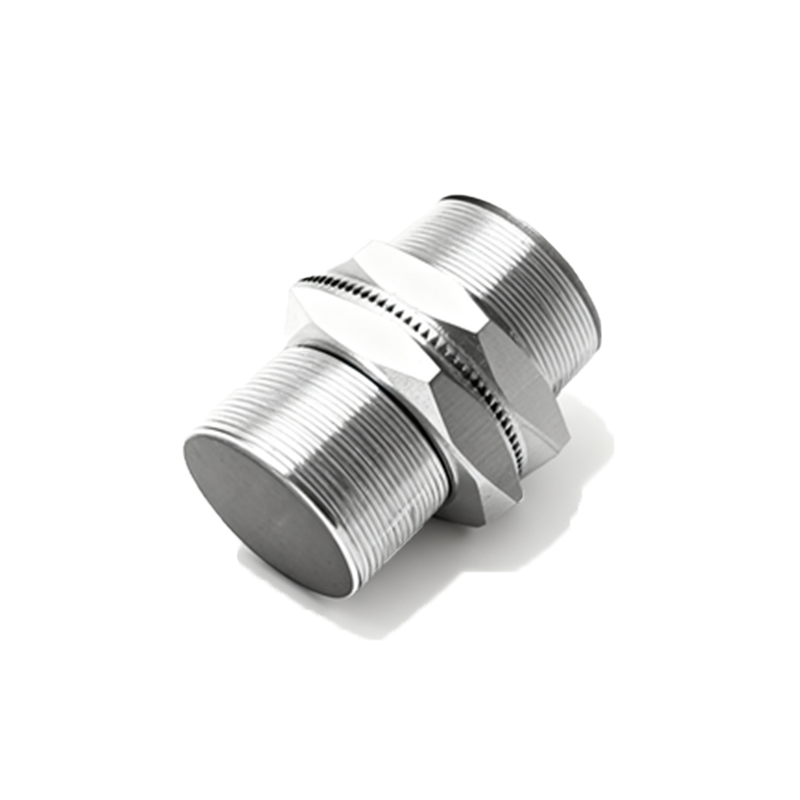
Selecting the right explosion-proof limit switch requires careful consideration of several factors. First, the specific classification of the hazardous area must be determined. Zones (as per ATEX/IEC) or Divisions (as per NEC) define the likelihood and duration of the presence of explosive atmospheres. The switch must be certified for the exact zone (e.g., Zone 1 for occasional hazard) or division (e.g., Division 1 for normal operation hazard) it will operate in. Secondly, the Gas Group (indicating the type of gas, e.g., IIC for hydrogen) and Temperature Class (indicating the maximum surface temperature) must be compatible with the ambient conditions to prevent auto-ignition.
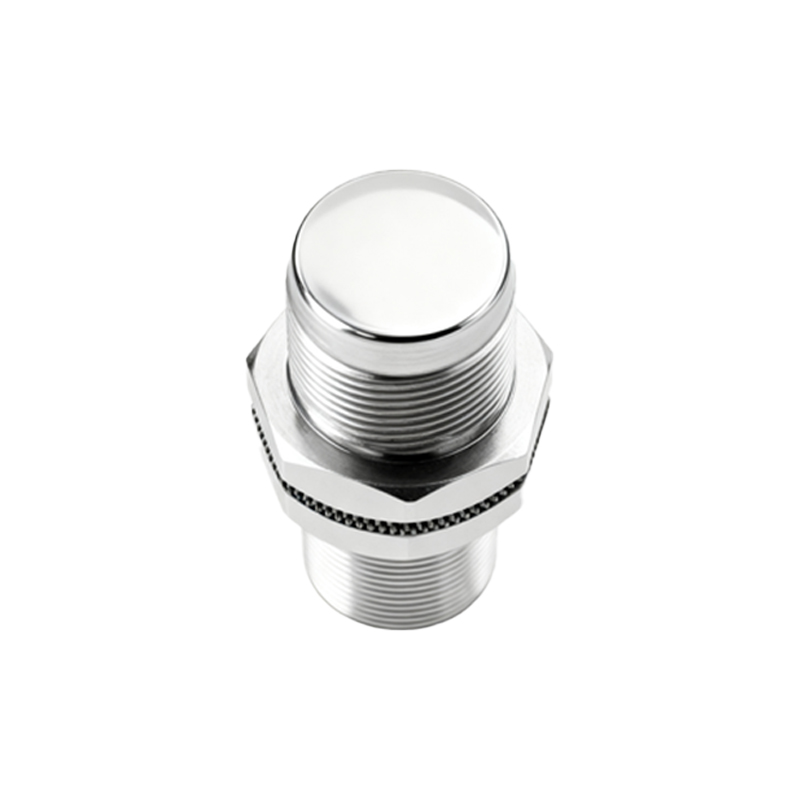
Beyond the explosion-proof rating, the switch's mechanical and electrical specifications are critical. Operators must consider the actuator type (roller lever, plunger, wobble stick), electrical ratings (voltage, current), switching logic (normally open/closed), and environmental protection (IP rating for dust and water ingress). Durability, often measured in mechanical and electrical life cycles, is paramount in harsh industrial environments where maintenance access can be limited and costly.
These switches find vital applications across numerous high-risk industries. In oil and gas refineries and offshore platforms, they are used on valve actuators, conveyor systems, and drilling equipment to provide position feedback and prevent over-travel. Chemical and pharmaceutical plants employ them on mixing vessels, filling lines, and automated doors within classified areas. Grain elevators, flour mills, and sugar processing facilities utilize them to monitor equipment in areas prone to combustible dust explosions. They are also essential in mining operations, wastewater treatment plants, and paint spray booths.
Proper installation, conducted by qualified personnel following manufacturer guidelines and national electrical codes, is non-negotiable. This includes using certified cable glands to maintain the integrity of the enclosure seal. Regular inspection and maintenance are equally crucial to ensure the flame paths remain unobstructed, seals are intact, and the mechanical operation remains smooth. Any damage to the enclosure or its threads can compromise its explosion-proof capabilities.
The investment in certified explosion-proof limit switches goes beyond regulatory compliance. It is a direct investment in asset protection, personnel safety, and prevention of devastating downtime. A failure in a critical safety interlock can lead to equipment damage, production halts, and most gravely, loss of life. By providing reliable and safe position sensing in the most challenging environments, these components form a silent yet foundational layer of modern industrial safety systems. They enable automation and control to proceed with confidence, knowing that the primary risks of ignition are meticulously engineered out of the equation.