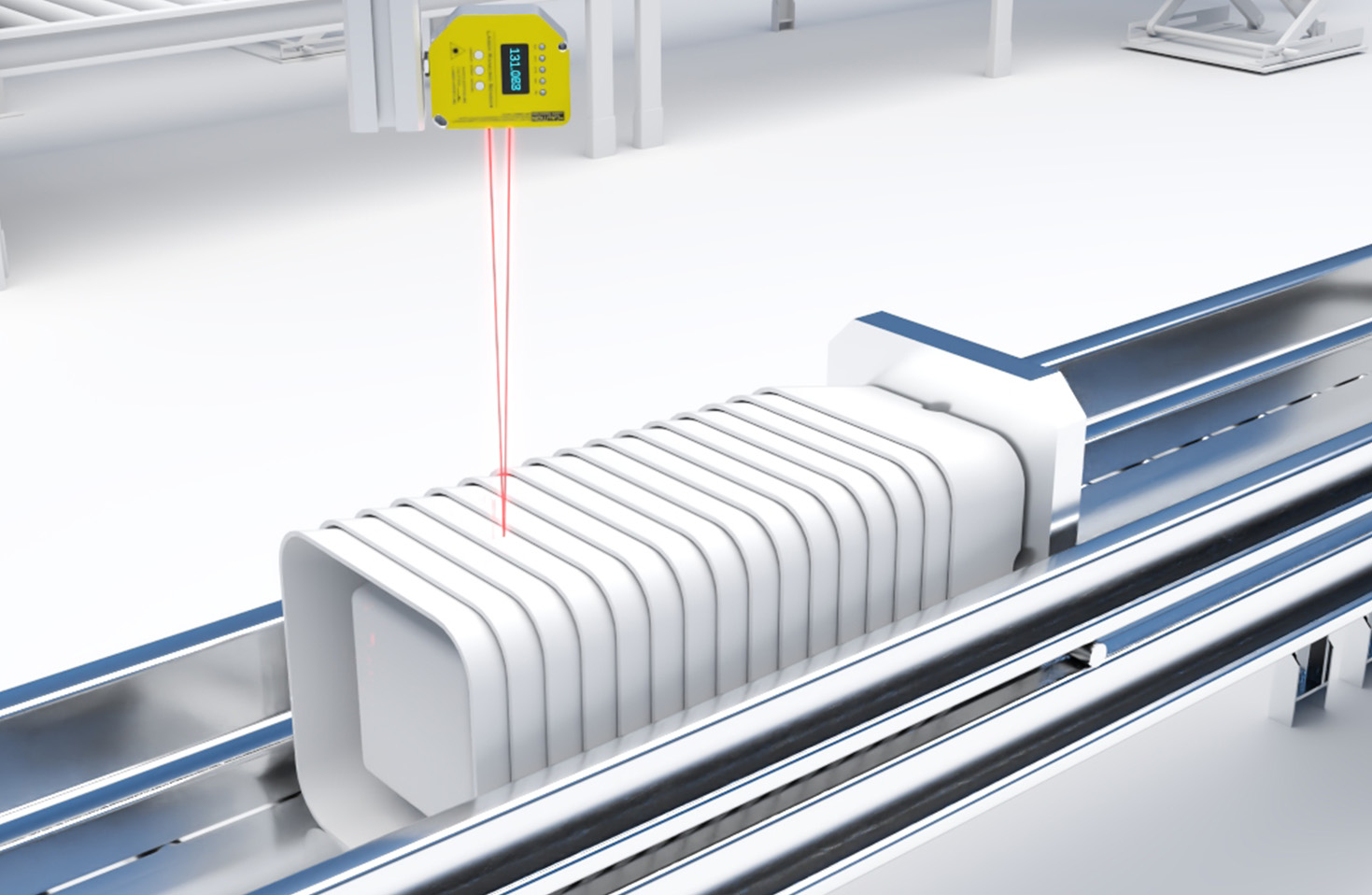
Calibration is a critical process in ensuring the accuracy and reliability of laser methane sensors, which are widely used for detecting methane leaks in industrial, environmental, and safety applications. These sensors operate based on tunable diode laser absorption spectroscopy (TDLAS), a technique that measures methane concentration by analyzing the absorption of laser light at specific wavelengths. To maintain their precision, calibration against established standards is essential, as it corrects for factors like sensor drift, environmental conditions, and component aging.
The calibration of laser methane sensors typically follows international standards and guidelines set by organizations such as the International Electrotechnical Commission (IEC) and the International Organization for Standardization (ISO). For instance, ISO 6142-1 outlines methods for preparing calibration gas mixtures, which are fundamental for sensor testing. Calibration involves exposing the sensor to known concentrations of methane, usually in a controlled environment, and adjusting its output to match these reference values. This process ensures that the sensor provides consistent and traceable measurements, which is vital for compliance with safety regulations like those from the Occupational Safety and Health Administration (OSHA) or the Environmental Protection Agency (EPA).
Key steps in calibration include zero-point calibration, where the sensor is exposed to a methane-free environment to set a baseline, and span calibration, which uses certified gas mixtures with precise methane concentrations (e.g., 50% LEL or 100% LEL levels). Regular calibration intervals are recommended, often annually or semi-annually, depending on usage and manufacturer specifications. Factors such as temperature, humidity, and pressure can affect calibration, so these should be monitored and compensated for during the process. Advanced sensors may include automatic calibration features or remote calibration capabilities, enhancing efficiency in field applications.
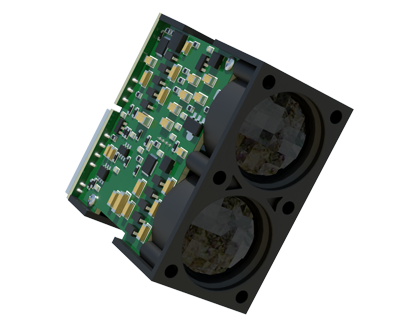
In practice, calibration standards help mitigate risks associated with methane detection, such as false alarms or undetected leaks, which could lead to safety hazards or environmental damage. Industries like oil and gas, mining, and wastewater treatment rely on calibrated sensors to meet operational and regulatory demands. Moreover, calibration contributes to the longevity of sensors by identifying potential issues early, such as optical misalignment or laser degradation.
Overall, adherence to calibration standards for laser methane sensors is not just a technical requirement but a cornerstone of effective gas detection systems. By ensuring accurate measurements, these standards support safety, environmental protection, and operational efficiency across various sectors. As technology evolves, standards may be updated to incorporate new advancements, such as drone-based sensors or IoT integration, but the core principles of calibration remain unchanged.