Factors Influencing Sensor Testing Costs
The expense associated with testing liquid level proximity sensors is not a fixed value but a variable influenced by a complex matrix of factors. Primarily, the sensor technology itself dictates a significant portion of the initial outlay. Basic float switches or conductive probes represent a lower initial investment but may incur higher long-term maintenance or calibration costs. In contrast, advanced technologies like ultrasonic, radar, or capacitive proximity sensors command a higher purchase price. However, their non-contact nature, high accuracy, and minimal maintenance can lead to a lower total cost of ownership over the sensor's operational lifespan. The required precision, measurement range, and the chemical compatibility of the sensor wetted parts with the process medium are critical specifications that directly impact the unit cost and the complexity, hence cost, of the validation testing required.
Breakdown of Testing and Calibration Expenses
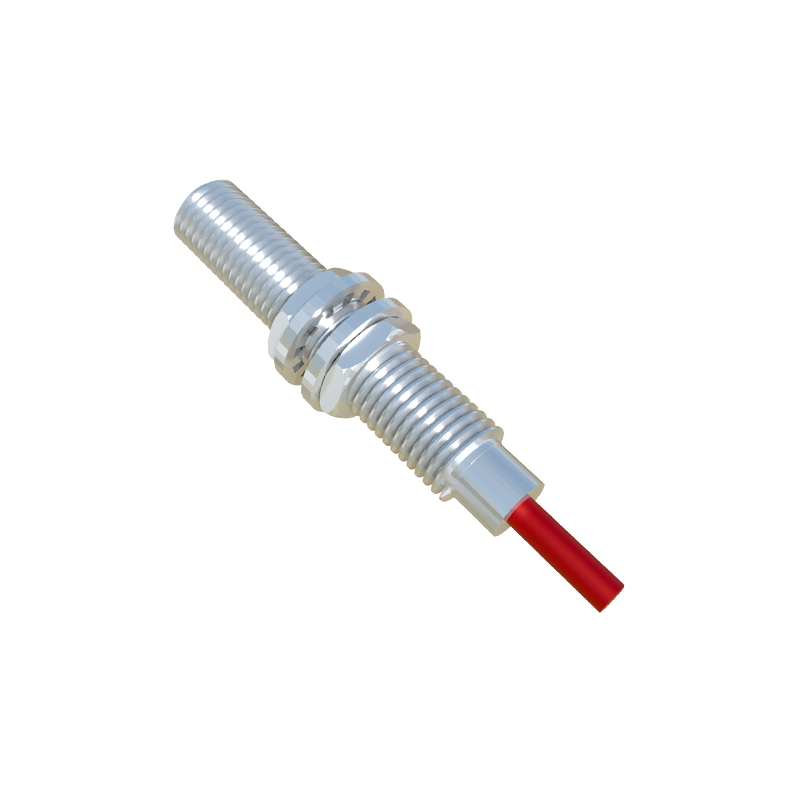
Beyond the sensor's purchase price, a substantial portion of the budget is allocated to verification and calibration procedures. Initial factory acceptance testing (FAT) ensures the sensor meets published specifications. Site acceptance testing (SAT), conducted after installation, verifies performance in the actual operating environment and involves labor costs for skilled technicians. Regular in-situ calibration is a recurring expense necessary to maintain measurement integrity, especially in applications governed by strict quality or safety standards. The frequency and methodology of calibration—whether using certified calibration rigs, master sensors, or simulated signals—directly affect operational expenditures. For critical applications in pharmaceuticals or hazardous areas, certification costs (e.g., ATEX, IECEx, SIL) add a considerable premium to both the sensor and its testing protocol.
Installation and Integration Cost Considerations
Installation costs are frequently underestimated. They encompass not only mechanical mounting hardware and labor but also the integration into the control system. The choice between a simple discrete (on/off) sensor and a complex analog or digital (e.g., IO-Link, HART) device has profound cost implications. Discrete sensors require less expensive wiring and simpler PLC programming. Intelligent sensors with digital communication offer rich diagnostic data but necessitate compatible infrastructure, network configuration, and software licensing, increasing both initial integration costs and the sophistication (and cost) of diagnostic testing routines. Furthermore, installation in harsh environments may require specialized enclosures, cooling fins, or remote mounting kits, each adding to the project's bottom line.
Lifecycle Cost Analysis: A Holistic View
A prudent financial assessment moves beyond the initial purchase order to evaluate the Total Cost of Ownership (TCO). This holistic analysis includes capital expenditure (CapEx) for the sensor and its initial testing, and operational expenditure (OpEx) spread over its service life. OpEx comprises energy consumption, planned maintenance, unplanned downtime due to failure, recalibration schedules, and eventual replacement. A robust, well-tested sensor with a higher upfront cost may exhibit superior mean time between failures (MTBF), reducing downtime costs and proving more economical over a decade of service. Implementing predictive maintenance strategies, enabled by sensors with self-diagnostics, can optimize testing schedules and prevent catastrophic failures, offering significant long-term savings despite higher initial testing and integration investments.
Strategies for Cost Optimization
Optimizing costs requires a strategic approach aligned with application criticality. For non-critical level monitoring in water tanks, a low-cost sensor with minimal periodic checks may be optimal. For process control or safety-instrumented systems, investing in higher-quality sensors and rigorous, documented testing is non-negotiable. Standardizing sensor types across a facility can reduce spare parts inventory and streamline technician training on testing procedures. Leveraging suppliers who offer comprehensive support, including on-site commissioning and calibration services, can consolidate costs and ensure expertise. Finally, a detailed cost-benefit analysis that quantifies the risk and cost of measurement failure is the most powerful tool for justifying the appropriate level of investment in sensor quality and testing rigor.