Understanding Proximity Sensor Fundamentals
Proximity sensors are critical components in modern industrial automation, designed to detect the presence or absence of objects without physical contact. These sensors operate based on various principles, including inductive, capacitive, ultrasonic, and photoelectric technologies. Inductive sensors are commonly used for detecting metallic objects, utilizing electromagnetic fields to sense targets. Capacitive sensors, on the other hand, can detect both metallic and non-metallic materials by measuring changes in capacitance. Ultrasonic sensors emit sound waves to gauge distance, while photoelectric sensors rely on light beams for detection. Each type offers distinct advantages depending on the application environment, such as resistance to environmental factors like dust, moisture, or temperature variations. Understanding these fundamentals is essential for selecting the right sensor to meet specific operational demands in industries like manufacturing, automotive, and robotics.
Key Performance Indicators for Evaluation
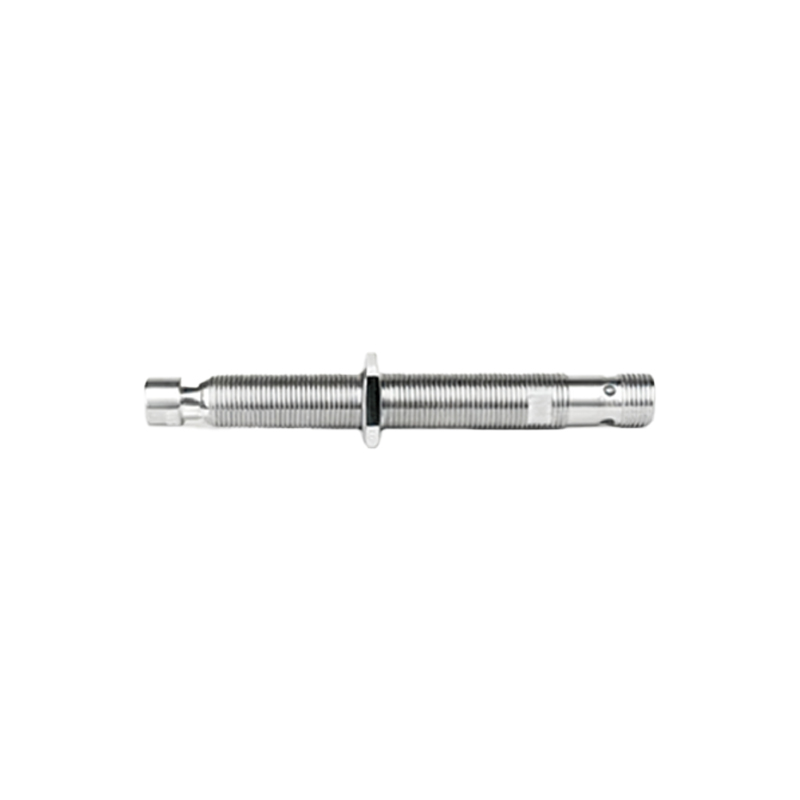
When assessing proximity sensors, several performance indicators must be considered to ensure optimal functionality. Sensing range, or the maximum distance at which a sensor can reliably detect an object, is a primary factor. This range varies by sensor type; for instance, inductive sensors typically have shorter ranges compared to ultrasonic ones. Repeatability refers to the sensor's ability to consistently detect an object at the same distance under identical conditions, which is crucial for precision tasks. Response time, measured in milliseconds, indicates how quickly the sensor reacts to a detected object, affecting system speed and efficiency. Additionally, hysteresis—the difference between the switch-on and switch-off points—helps prevent false triggering in dynamic environments. Environmental ratings, such as IP (Ingress Protection) codes, define resistance to dust and water, ensuring durability in harsh settings.
Accuracy and Resolution Considerations
Accuracy and resolution are vital for applications requiring high precision, such as assembly lines or quality control systems. Accuracy denotes how closely the sensor's output matches the actual position or presence of an object, often influenced by calibration and external interference. Resolution refers to the smallest change in distance that the sensor can detect, which is particularly important in fine-tuning operations. Factors like temperature fluctuations, electromagnetic interference, and material properties can impact these metrics. To mitigate errors, engineers often employ shielding techniques, regular maintenance, and sensor fusion—combining multiple sensors for enhanced reliability. For example, in robotic arms, high-resolution sensors enable precise movement control, reducing waste and improving productivity.
Durability and Environmental Resilience
Industrial environments pose challenges like extreme temperatures, vibrations, and corrosive substances, making durability a key performance indicator. Proximity sensors are rated for operational temperature ranges, often from -25°C to 70°C, ensuring functionality in diverse conditions. Vibration resistance prevents malfunctions in machinery-heavy settings, while robust housing materials like stainless steel or thermoplastic enhance longevity. Chemical resistance is also critical in industries like chemical processing, where exposure to aggressive agents can degrade sensor components. Compliance with standards such as IEC 60947-5-2 ensures safety and performance consistency. Regular testing under simulated conditions helps validate resilience, minimizing downtime and maintenance costs in long-term operations.
Integration and Compatibility Factors
Seamless integration into existing systems is essential for maximizing the value of proximity sensors. Output types, including analog (e.g., 4-20 mA) and digital (e.g., PNP/NPN), must align with control units like PLCs (Programmable Logic Controllers). Wiring configurations and voltage requirements (e.g., 10-30 VDC) affect installation ease and compatibility. Communication protocols, such as IO-Link or Ethernet/IP, enable advanced features like remote monitoring and diagnostics, supporting Industry 4.0 initiatives. Mounting options, such as flush or non-flush designs, influence sensing performance in confined spaces. Engineers should also consider software tools for configuration and troubleshooting, streamlining deployment in complex automation networks.
Cost-Effectiveness and Lifecycle Management
Beyond technical specs, cost-effectiveness plays a significant role in sensor selection. Initial purchase price, installation expenses, and maintenance costs contribute to the total cost of ownership. High-quality sensors may have a higher upfront cost but offer longer lifespans and reduced failure rates, leading to savings over time. Lifecycle management involves predictive maintenance using sensor data to anticipate failures, optimizing replacement schedules. Energy efficiency, measured by power consumption, is another factor, especially in large-scale deployments. By analyzing these economic aspects, industries can balance performance with budget constraints, ensuring reliable and sustainable operations.