Introduction to Photoelectric Sensors
Photoelectric sensors are versatile devices that utilize light beams to detect the presence, absence, or distance of objects. Operating on the principle of light emission and reception, these sensors convert changes in light intensity into electrical signals. Common types include through-beam, retro-reflective, and diffuse reflective sensors, each suited for specific detection tasks. Their non-contact nature ensures minimal wear and tear, making them ideal for high-speed or harsh environments. Industries rely on these sensors for precision, reliability, and adaptability in automated systems, from manufacturing lines to logistics centers.
Object Detection in Manufacturing Lines
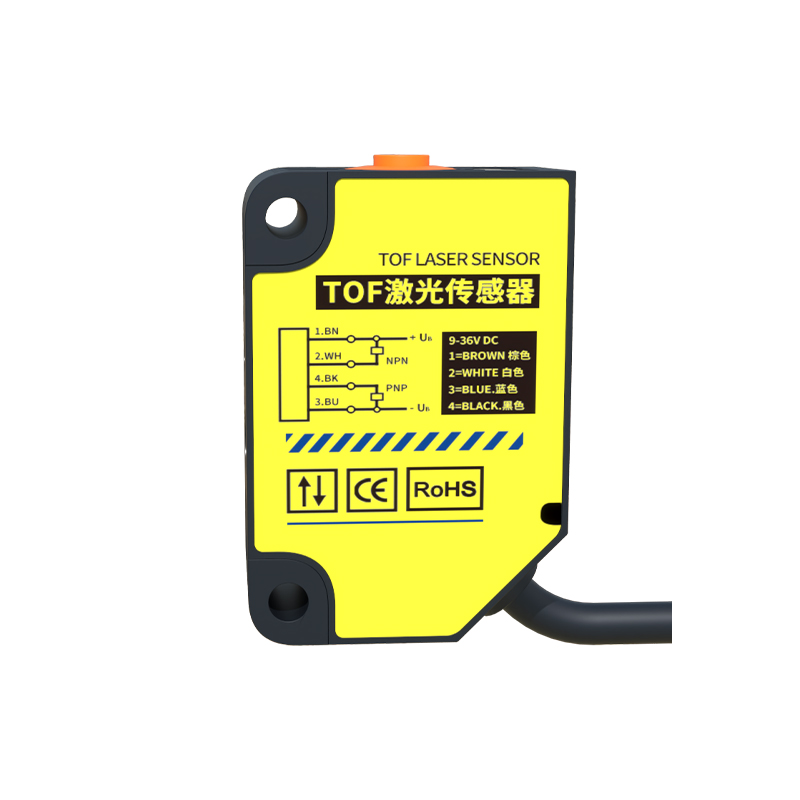
In manufacturing, photoelectric sensors play a critical role in object detection and positioning. They monitor assembly lines to verify the presence of components, such as checking if screws are inserted or parts are correctly aligned. For example, in automotive production, sensors ensure car doors are properly fitted before welding. Through-beam sensors, with separate emitter and receiver units, offer long-range detection for large items, while diffuse sensors handle close-range tasks like detecting small electronic parts. This reduces errors, prevents jams, and boosts overall efficiency by enabling seamless automation.
Packaging and Material Handling
Packaging industries leverage photoelectric sensors for accurate counting, sorting, and filling operations. Sensors detect items on conveyor belts, triggering mechanisms to fill boxes or apply labels. In bottling plants, they verify bottle caps are sealed and liquid levels are correct. Retro-reflective sensors, which use a reflector to bounce light back, are effective in dusty environments common in warehouses. By ensuring precise packaging, these sensors minimize waste and enhance throughput, supporting just-in-time delivery systems in supply chains.
Safety and Access Control Systems
Photoelectric sensors enhance safety by creating invisible light barriers in hazardous areas. In robotic cells, they halt machinery if a worker enters a restricted zone, preventing accidents. Access control systems use sensors to monitor door openings or detect unauthorized entry in secure facilities. For instance, in pharmaceutical labs, sensors ensure sterile zones remain uncontaminated. Their fast response time and high sensitivity make them reliable for emergency shutdowns, complying with industry safety standards like OSHA regulations.
Quality Inspection and Measurement
Quality control processes integrate photoelectric sensors for non-destructive testing and measurement. They inspect surface defects, such as scratches on glass or dents in metal sheets, by analyzing light reflection patterns. In textile manufacturing, sensors verify thread consistency and color matching. Advanced versions, like laser sensors, provide micron-level accuracy for dimensional checks, ensuring products meet strict specifications. This reduces rework costs and maintains brand reputation by delivering defect-free goods to consumers.
Agricultural and Environmental Monitoring
Beyond industrial settings, photoelectric sensors find applications in agriculture and environmental management. They monitor crop growth by detecting plant height or soil moisture levels, optimizing irrigation systems. In greenhouses, sensors control lighting schedules to simulate natural conditions. Environmental agencies use them to track air quality by measuring particulate matter in emissions. Their durability against weather extremes supports sustainable practices, aiding in precision farming and pollution control efforts globally.
Future Trends and Innovations
The future of photoelectric sensors lies in smart integration with IoT and AI technologies. Miniaturized sensors with wireless connectivity enable real-time data collection for predictive maintenance, reducing downtime. Innovations like multi-spectral sensors can distinguish materials based on light absorption, enhancing sorting in recycling plants. As industries adopt Industry 4.0, these sensors will evolve to offer higher precision, energy efficiency, and adaptability, driving automation toward fully autonomous systems.