Introduction to Current Magnetic Proximity Sensors
Current magnetic proximity sensors are fundamental components in modern industrial automation and control systems. These devices detect the presence or absence of a target object by sensing the changes in a magnetic field, typically without any physical contact. The "current" aspect often refers to their operational principle involving electrical currents to generate or modulate the sensing field, or their application in detecting current-carrying conductors. They are prized for their reliability, durability in harsh environments, and fast response times, making them indispensable in manufacturing, automotive, and robotics industries.
Hall Effect Sensors
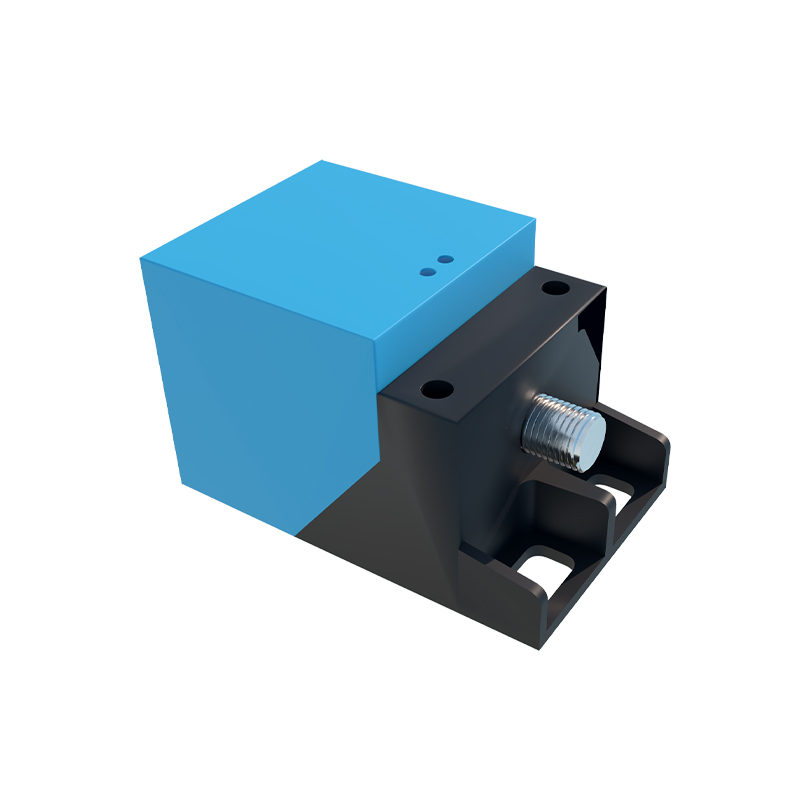
Hall Effect sensors are among the most prevalent types of magnetic proximity sensors. They operate based on the Hall Effect principle: when a current-carrying conductor is placed in a magnetic field, a voltage (Hall voltage) is generated perpendicular to both the current and the field. In proximity sensing, a permanent magnet is often attached to the target. As the target approaches, the magnetic field density at the sensor changes, altering the Hall voltage, which is then processed to trigger a switch. These sensors are excellent for detecting the position of moving parts, speed sensing in gears, and current measurement in power systems.
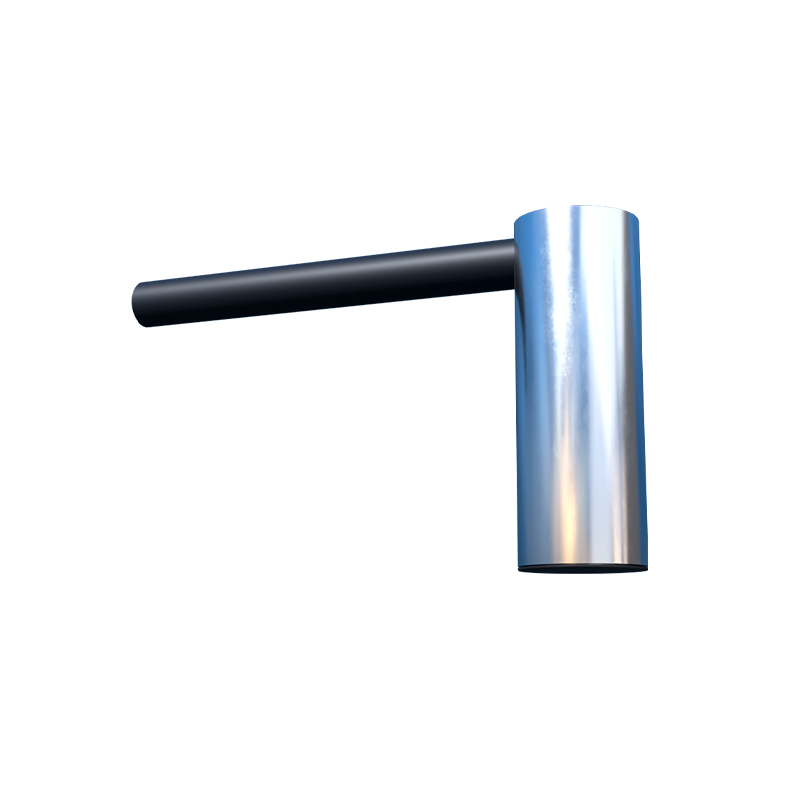
Inductive Proximity Sensors
While often categorized separately, inductive proximity sensors with magnetic core elements share a kinship with magnetic sensing. They generate an oscillating electromagnetic field from a coil. When a metallic (ferrous or non-ferrous) target enters this field, eddy currents are induced, which dampen the oscillation. This change is detected by the sensor's circuitry. Although they primarily react to conductive materials, their core often involves magnetic materials to shape the field. They are extremely robust, resistant to dust and moisture, and widely used for position detection of metal objects in machinery.
Magnetoresistive Sensors
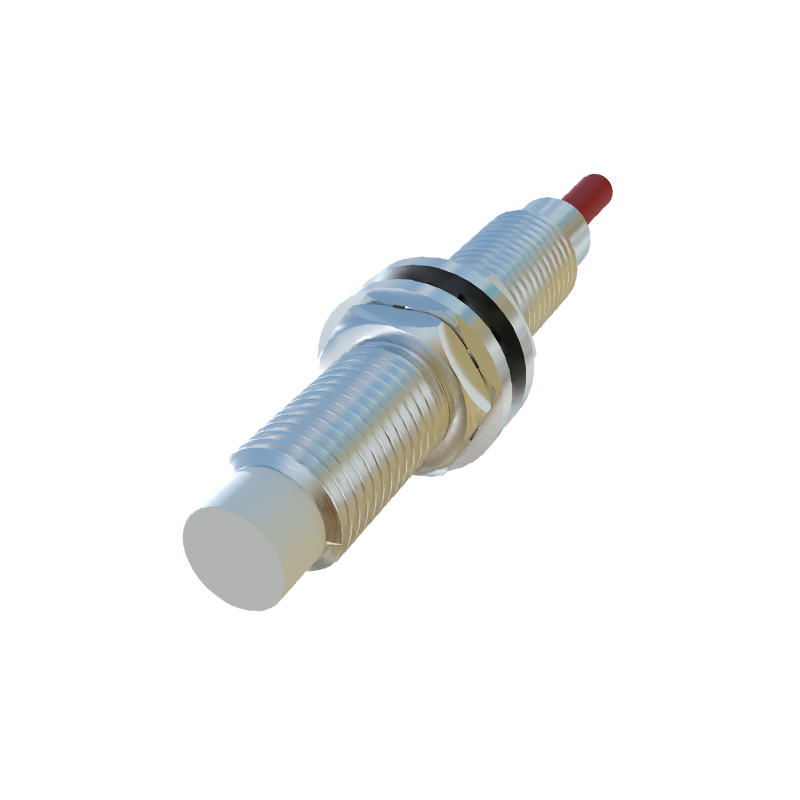
Magnetoresistive (MR) sensors utilize materials that change their electrical resistance in the presence of a magnetic field. Common types include Anisotropic Magnetoresistive (AMR) and Giant Magnetoresistive (GMR) sensors. They are highly sensitive and can detect very small changes in magnetic field strength and direction. This makes them suitable for precise position sensing, angular measurement (in conjunction with magnets), and high-resolution current sensing applications where minute magnetic fields from current flow need to be detected accurately.
Reed Switch Sensors
Reed switches are simple, cost-effective magnetic proximity sensors. They consist of two ferromagnetic reed contacts sealed within a glass tube. When an external magnet approaches, the reeds magnetize, attract each other, and make contact, closing the circuit. When the magnet moves away, the reeds spring back to the open position. They are often used in safety door interlocks, liquid level indicators, and low-power switching applications. Their main advantages are simplicity and low power consumption, but they may have slower response times and limited durability compared to solid-state sensors.
Current Sensing Transformers and Rogowski Coils
Specifically designed for current detection, these sensors are crucial for power monitoring and protection. Current Transformers (CTs) use a magnetic core to transform high primary current into a lower, measurable secondary current. Rogowski Coils are air-cored, flexible sensors that measure current by sensing the magnetic field around a conductor, providing a voltage output proportional to the rate of change of current. They are essential for non-invasive, high-frequency AC current measurement in electrical panels and energy management systems.
Key Selection Criteria for Industrial Use
Choosing the right current magnetic proximity sensor requires careful consideration of several factors. Sensing range, or the distance at which the target can be reliably detected, is paramount. The type of target material (ferrous metal, non-ferrous metal, magnet) dictates sensor choice—inductive for metals, Hall effect or reed for magnets. Environmental conditions like temperature extremes, presence of oils, coolants, or explosive atmospheres require sensors with appropriate ingress protection (IP) ratings and housing materials. Output type (digital PNP/NPN, analog, IO-Link) must interface correctly with the control system. Finally, response frequency determines how fast the sensor can detect objects in high-speed applications.
Common Applications Across Industries
The applications are vast and varied. In automotive manufacturing, they count gears, verify piston position, and ensure seatbelt engagement. In packaging machinery, they detect the presence of metal lids or foil seals on conveyor lines. In robotics, they provide end-of-arm tooling position feedback and safe limit switching. On factory floors, they serve as part counters and jam detection sensors. For energy systems, current-sensing magnetic sensors monitor power consumption and protect equipment from overloads. Their versatility and robustness