Introduction to YIHEDA Photoelectric Sensors
In the intricate landscape of industrial automation, the ability to detect objects with precision, speed, and reliability is paramount. YIHEDA, a prominent name in the field of industrial components, offers a comprehensive range of photoelectric sensors engineered to meet these rigorous demands. These sensors operate on the fundamental principle of converting light signals into electrical signals, providing non-contact detection solutions for a vast array of applications. From packaging lines and material handling systems to robotic assembly cells and safety curtains, YIHEDA photoelectric sensors serve as the critical "eyes" of automated processes, ensuring seamless operation and enhanced productivity. Their design emphasizes robustness, environmental resistance, and consistent performance, making them a trusted choice for engineers and system integrators worldwide.
Core Technologies and Operating Principles
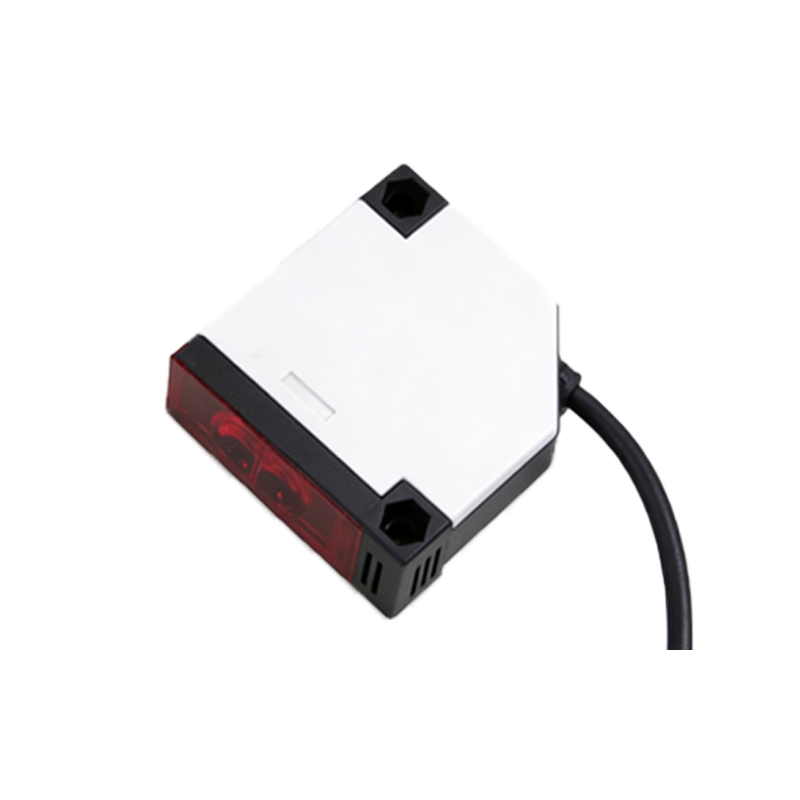
YIHEDA photoelectric sensors are available in several primary types, each utilizing distinct optical techniques tailored for specific detection challenges. The through-beam sensor, consisting of a separate transmitter and receiver, offers the longest sensing range and highest reliability, ideal for detecting opaque objects. Retro-reflective sensors incorporate a reflector, allowing for simpler installation with a single unit, while diffuse reflective sensors detect objects by measuring the light reflected directly from the target's surface, providing flexibility for varied object colors and materials. Advanced models feature background suppression technology, which intelligently ignores objects beyond a set distance, and polarized filters to eliminate false triggers from shiny surfaces. These technologies are underpinned by high-quality LED or laser light sources, ensuring a stable, focused beam for accurate detection even in challenging industrial environments.
Key Features and Performance Specifications
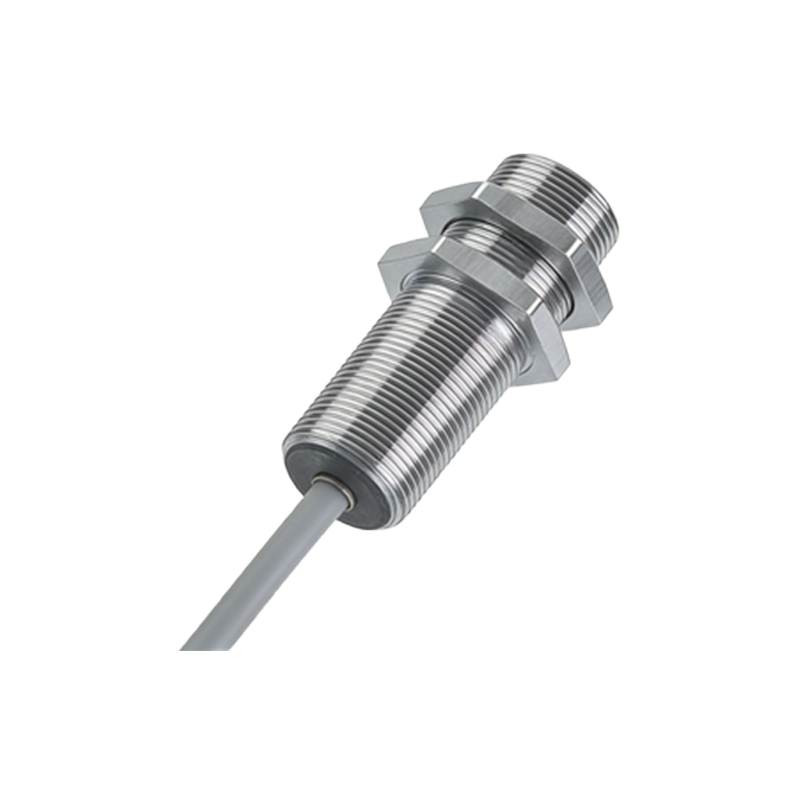
The performance of YIHEDA photoelectric sensors is defined by a suite of critical specifications. Sensing range is a primary consideration, with models available from short-range precision detection to long-range applications exceeding several meters. Response time is exceptionally fast, often in the microsecond range, enabling detection of high-speed moving objects on conveyor belts. These sensors are built with durable housings, typically from metal or high-grade plastics, offering high ingress protection ratings (e.g., IP67, IP69K) against dust, water, and chemical splashes. They operate reliably across a wide temperature range and are resistant to vibration and shock. Electrical outputs include both discrete types (NPN/PNP) and analog options, with versatile connection methods such as pre-wired cables or quick-disconnect connectors, facilitating easy integration into existing control systems like PLCs.
Application Scenarios Across Industries
The versatility of YIHEDA photoelectric sensors translates into widespread adoption across diverse industrial sectors. In logistics and warehousing, they are indispensable for parcel dimensioning, palletizing, and controlling automated guided vehicles (AGVs). Manufacturing assembly lines rely on them for part presence verification, counting, and precise positioning. Within the food and beverage industry, sensors with hygienic designs ensure bottle cap detection, fill level monitoring, and packaging integrity checks. They also play a vital role in safety applications, forming light curtains that protect personnel from hazardous machinery. Furthermore, in the automotive sector, these sensors contribute to robotic welding, part inspection, and assembly verification, where uncompromising accuracy is non-negotiable.
Advantages Over Alternative Sensing Methods
Choosing YIHEDA photoelectric sensors presents distinct advantages compared to other proximity sensing technologies like inductive or capacitive sensors. The primary benefit is their ability to detect a wide variety of materials, including glass, plastic, wood, and liquids, which are invisible to inductive sensors. They offer non-contact operation, eliminating mechanical wear and tear and allowing for detection of fragile objects. The sensing distance is generally longer, and the response is significantly faster. While environmental factors like dust, fog, or ambient light can pose challenges, YIHEDA models incorporate features like modulated infrared light and robust housings to mitigate these interferences, ensuring stable performance where other sensors might fail.
Selection Guidelines and Installation Best Practices
Selecting the appropriate YIHEDA photoelectric sensor requires a careful analysis of the application parameters. Engineers must consider the object's characteristics (size, color, material, surface finish), the required sensing distance, the environmental conditions (temperature, contaminants, ambient light), and the necessary electrical interface. For optimal performance, correct installation is crucial. The sensor must be securely mounted to minimize vibration, and the optical path should be kept clean and free from obstructions. For through-beam and retro-reflective types, precise alignment is essential. It is also advisable to conduct regular maintenance checks to clean lenses and verify alignment, ensuring long-term operational reliability and preventing unexpected downtime in automated processes.
Conclusion and Future Outlook
YIHEDA photoelectric sensors represent a cornerstone technology in modern industrial automation, delivering the precision, durability, and flexibility required for today's smart factories. Their continuous evolution, integrating features like IO-Link for digital communication and smart diagnostics, aligns with the trends of Industry 4.0, enabling predictive maintenance and deeper data integration. As automation becomes more sophisticated and pervasive, the demand for reliable sensing solutions will only grow. YIHEDA's commitment to innovation and quality ensures that its photoelectric sensors will remain at the forefront, helping engineers build more efficient, safe, and intelligent automated systems for the future.