Introduction to M8 Proximity Sensor Potting
In the demanding world of industrial automation, M8 proximity sensors are ubiquitous components, prized for their compact size and reliable detection capabilities. However, their operational lifespan and signal stability are frequently challenged by harsh environmental factors such as moisture, dust, chemical exposure, and mechanical vibration. Potting, or encapsulation, emerges as a critical post-manufacturing process to fortify these sensors. This procedure involves filling the sensor's housing with a liquid potting compound that subsequently cures into a solid, protective elastomer. The primary objective is to create a hermetic seal that safeguards the internal electronic circuitry, ensuring consistent performance and preventing premature failure in challenging applications.
Critical Considerations for Potting Material Selection
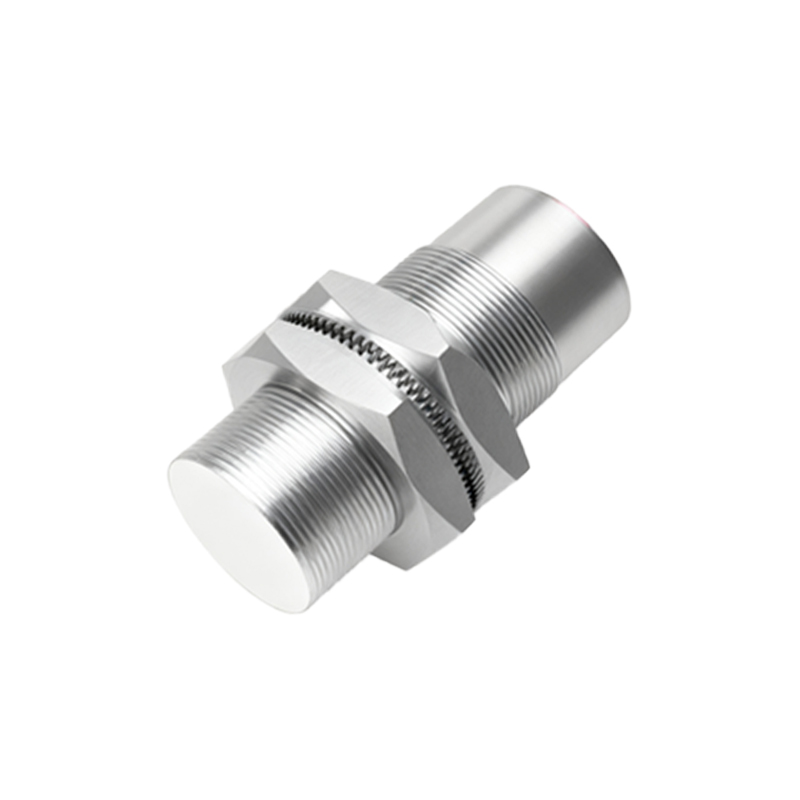
Selecting the appropriate potting compound is paramount and depends heavily on the sensor's specific application environment. The most common materials include silicone, polyurethane, and epoxy resins. Silicone-based compounds offer excellent flexibility, a wide operating temperature range, and good moisture resistance, making them ideal for applications subject to thermal cycling or slight housing movement. Polyurethane potting materials provide a balanced profile with good moisture resistance, moderate flexibility, and decent chemical resistance. Epoxy resins deliver superior mechanical strength, high hardness, and exceptional chemical resistance but are typically more rigid, which can be a drawback in environments with significant thermal expansion or mechanical shock. Key material properties to evaluate include viscosity for proper flow, cure time, thermal conductivity, dielectric strength, and long-term adhesion to the sensor's internal materials.
Step-by-Step Potting Process and Best Practices
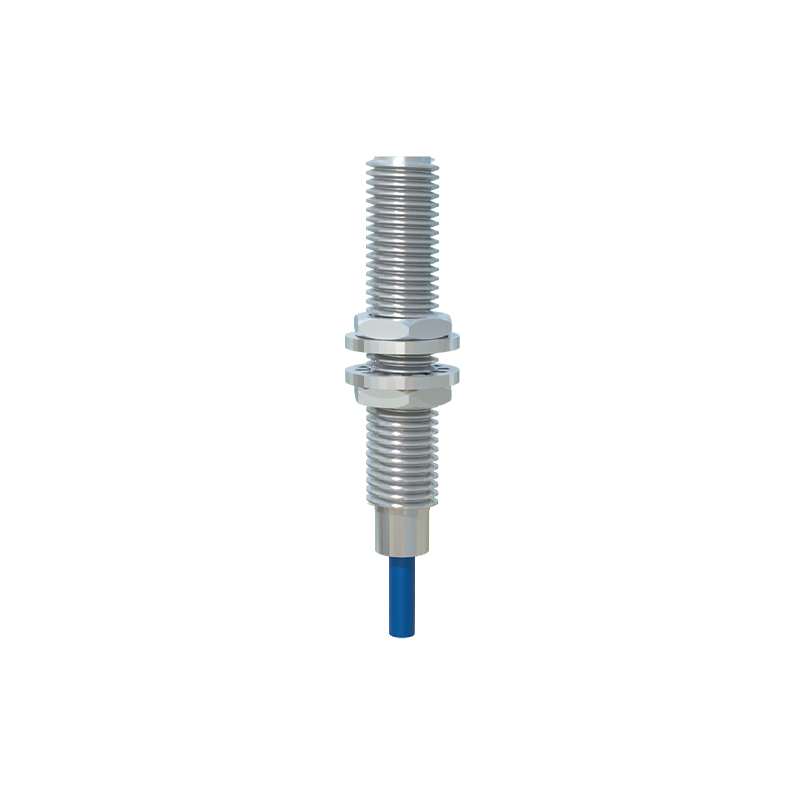
A meticulous potting process is essential to avoid introducing defects that could compromise the sensor's functionality. The process begins with thorough cleaning and pre-baking of the sensor assemblies to remove any moisture or contaminants. Sensors are then precisely positioned in fixtures, often with the sensing face protected by a temporary seal or mask. The mixed potting compound is carefully degassed under vacuum to eliminate air bubbles, which can create weak points and affect signal integrity. Using precision dispensing equipment, the compound is injected into the sensor housing until it is completely filled. The curing process must follow the manufacturer's specifications regarding time and temperature. Critical best practices include maintaining a controlled environment (temperature and humidity), ensuring precise mixing ratios for multi-part compounds, and verifying complete cavity filling without overflow onto the active sensing area.
Impact on Sensor Performance and Calibration
Potting significantly influences the operational parameters of an M8 proximity sensor. The dielectric constant of the potting material can alter the sensor's effective sensing range, potentially reducing it slightly. This makes pre-potting characterization and post-potting recalibration crucial steps, especially for analog or factor-1 rated sensors. The material must be optically clear if used with optical sensors or suitably transparent to the specific sensing field (e.g., ultrasonic, capacitive). Furthermore, the potting compound adds mass and dampens internal components, which generally improves resistance to vibration and shock. Engineers must account for the thermal properties of the potting material, as it will affect heat dissipation from internal components, potentially influencing the sensor's maximum operating temperature.
Quality Control, Testing, and Industry Applications
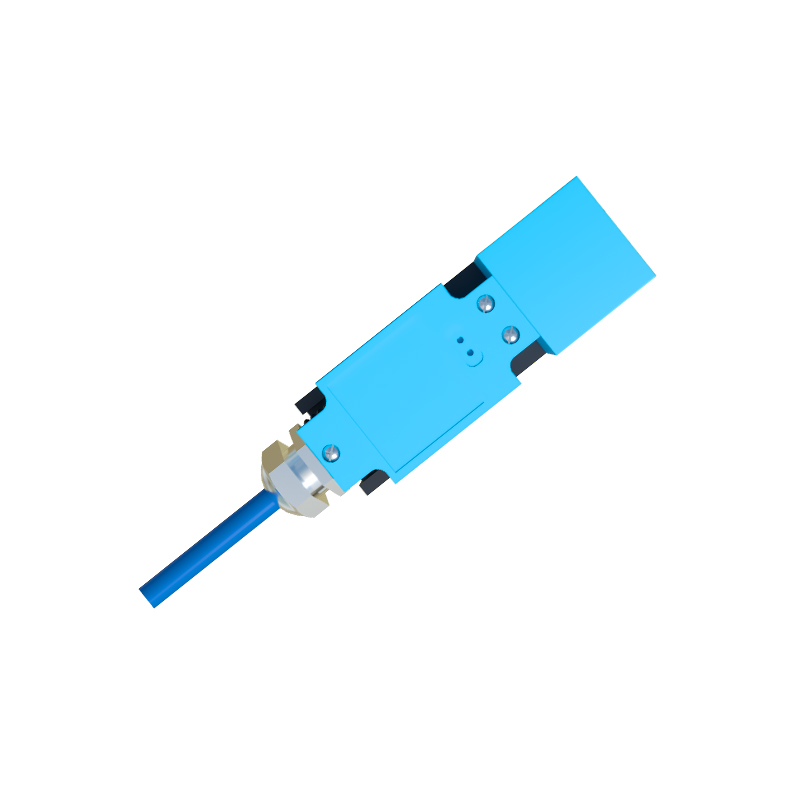
Rigorous quality control is non-negotiable. Standard tests include high-potential (hipot) testing to verify electrical insulation integrity, thermal cycling tests to check for delamination or cracking, and immersion tests to confirm waterproof sealing. X-ray inspection can be used to identify hidden voids or bubbles within the potted cavity. Potting transforms standard M8 sensors into robust solutions for extreme applications. This includes washdown environments in food and beverage processing, outdoor machinery exposed to weather, mining and construction equipment subjected to particulate ingress and impacts, and chemical processing plants where exposure to aggressive solvents or vapors is common. The process ensures reliable operation, reduces maintenance downtime, and extends the mean time between failures (MTBF), delivering a higher total cost of ownership.
Conclusion and Future Trends
Potting is a vital engineering process that elevates the standard M8 proximity sensor from a fragile electronic device to a hardened industrial component. By understanding the interplay between material science, process control, and sensor physics, engineers can specify and implement potting solutions that meet exacting performance criteria. The future of sensor potting lies in the development of smarter materials—such as thermally conductive but electrically insulating compounds, reworkable gels for easier repair, and compounds with tailored dielectric properties to minimize sensing range interference. As Industry 4.0 drives demand for reliability in interconnected systems, the role of precision potting in sensor manufacturing will only grow in importance.