Introduction to High-Brightness Photoelectric Sensors
High-brightness photoelectric sensors represent a significant advancement in industrial automation and control systems. These devices utilize intense, focused light beams, typically from LEDs or laser diodes, to detect the presence, absence, or position of objects with exceptional accuracy and reliability. The core principle involves emitting a light beam towards a target; the sensor then analyzes the reflected or transmitted light. A high-intensity light source is crucial for overcoming environmental challenges such as dust, steam, ambient light interference, and long sensing distances. This enhanced luminosity ensures a stable and strong signal, even when detecting small, low-reflectivity, or fast-moving objects, making these sensors indispensable in modern manufacturing, packaging, and material handling applications.
Core Technological Advantages
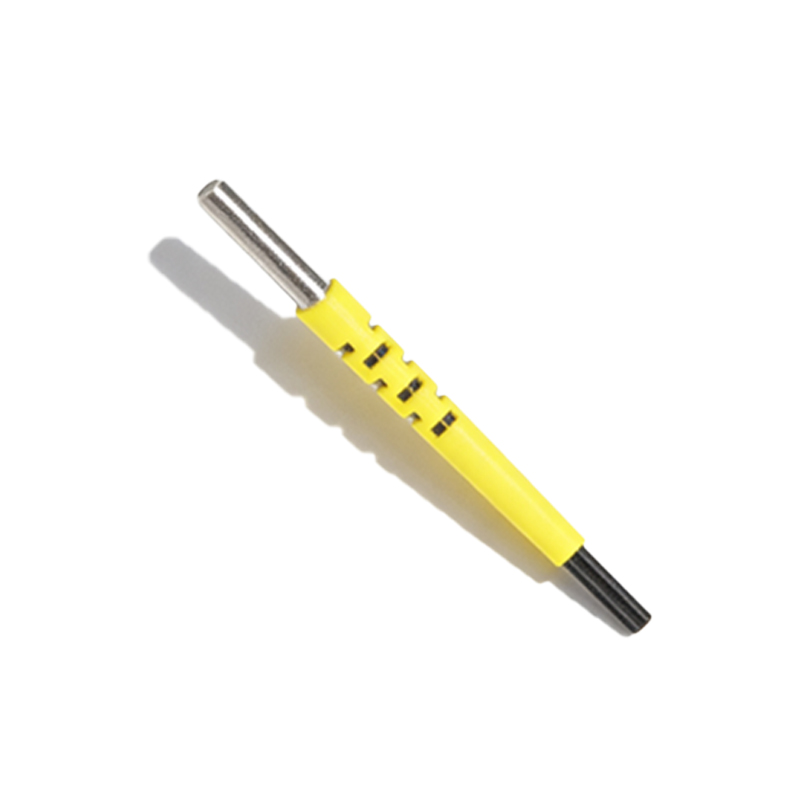
The primary advantage of high-brightness sensors lies in their superior signal-to-noise ratio. By emitting a more powerful light beam, they generate a clearer return signal, which the receiver can distinguish more easily from background optical noise. This capability directly translates to longer sensing ranges, often exceeding tens of meters for some laser-based models, and improved performance with dark, matte, or transparent targets that would typically absorb or scatter standard light beams. Furthermore, many models incorporate advanced features like background suppression, which uses triangulation to ignore objects beyond a set distance, and polarized filters to reject reflections from shiny surfaces. These technological enhancements provide unmatched precision in demanding industrial settings.
Key Selection Criteria for Engineers
Selecting the appropriate high-brightness photoelectric sensor requires careful consideration of several technical parameters. First, the sensing mode must be chosen: through-beam (sender and receiver are separate units), retro-reflective (uses a reflector), or diffuse reflective (senses light reflected directly from the target). Each mode has distinct range and application suitability. Second, the light source type is critical; red light LEDs are common and cost-effective, while laser diodes offer extreme precision for small targets. Blue or green light lasers are specialized for detecting red or copper-colored objects. Other vital factors include response time, which must match the application's speed, environmental protection rating (IP67/IP69K for washdown areas), housing material, and output configuration (PNP/NPN, analog, or IO-Link for smart sensor capabilities).
Prominent Industrial Applications
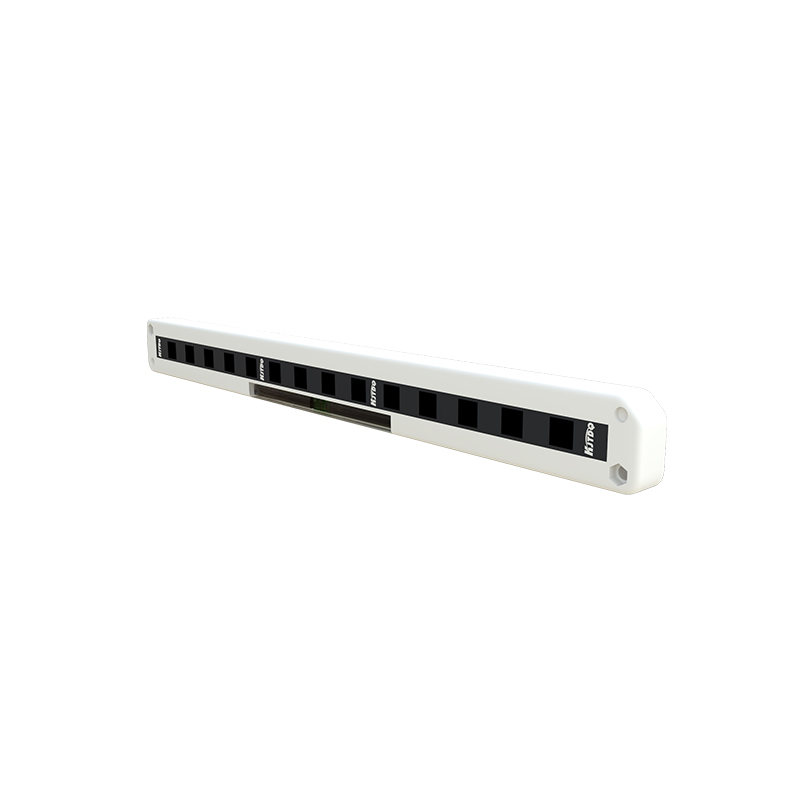
High-brightness photoelectric sensors are deployed across a vast spectrum of industries. In automotive manufacturing, they ensure precise part positioning on assembly robots and verify the presence of components on fast-moving conveyor belts. The packaging industry relies on them for label detection, fill-level control, and carton counting, where their ability to see through transparent films is invaluable. In logistics and warehousing, they facilitate parcel dimensioning, palletizing, and automated guided vehicle (AGV) navigation. Additionally, their robustness makes them ideal for harsh environments like food and beverage processing, where they withstand frequent high-pressure washing, and in metalworking, where they detect metallic objects amidst coolant mist and debris.
Installation and Alignment Best Practices
Proper installation is paramount to realizing the full potential of these sensors. For through-beam types, precise alignment of the emitter and receiver is necessary, often aided by built-in alignment indicators or audible signals. For diffuse sensors, the mounting angle relative to the target must be considered to avoid specular reflection errors. It is crucial to secure the sensor firmly to prevent vibration-induced misalignment. Engineers should also account for the target's properties—size, color, material, and surface finish—during setup. Many modern high-brightness sensors feature teach-in functions or potentiometers for easy adjustment of sensitivity and timing, simplifying the commissioning process and reducing downtime during changeovers.
Future Trends and Smart Sensor Integration
The future of high-brightness photoelectric sensing is tightly integrated with Industry 4.0 and the Industrial Internet of Things (IIoT). The next generation of sensors is becoming increasingly intelligent, equipped with IO-Link communication. This digital interface allows for remote configuration, real-time monitoring of operating status (like lens contamination or LED aging), and predictive maintenance alerts, thereby minimizing unplanned stoppages. Furthermore, advancements in multi-pixel technology and time-of-flight (ToF) principles are enabling simple distance measurement and profile detection capabilities within a single compact device. As machine vision and simple photoelectric sensing converge, these high-brightness units will play an even more central role in creating flexible, data-rich, and highly efficient automated production environments.