Introduction to Slot Type Photoelectric Sensors
Slot type photoelectric sensors, often referred to as through-beam or fork sensors, are fundamental components in industrial automation. These devices consist of an aligned emitter and receiver housed within a single U-shaped or forked body, creating a precise detection slot. The operational principle is straightforward: the emitter projects a light beam (typically infrared, red, or laser) across the gap to the receiver. When an object passes through this slot, it interrupts the light beam, triggering a change in the sensor's output state. This simple yet highly reliable non-contact detection method makes slot sensors ideal for applications like counting, edge detection, limit switching, and verifying the presence or absence of objects on production lines. Their self-contained, opposed arrangement offers significant advantages over separate emitter-receiver setups, including easier alignment, resistance to ambient light interference, and consistent performance in challenging environments.
The Critical Role of the L-Bracket Mounting Feature
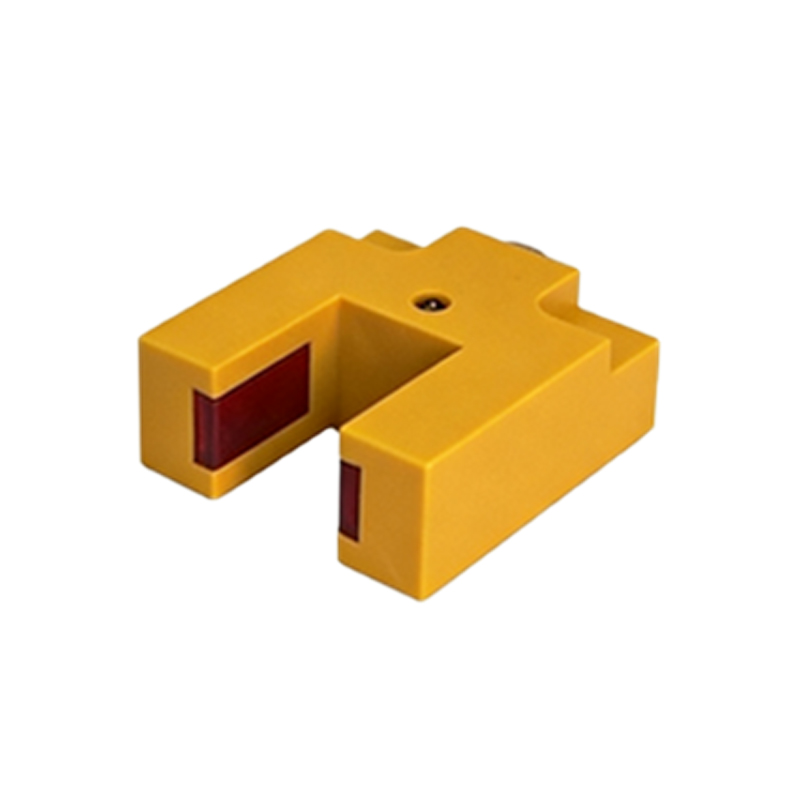
The "L-leg" or L-bracket is an integral mechanical mounting feature found on many slot type photoelectric sensors. This design element is not merely an accessory but a critical component for ensuring sensor stability, precision, and longevity in real-world installations. The L-bracket typically extends from the main sensor body, forming a right-angled flange that contains one or more mounting holes. Its primary function is to provide a secure and rigid mounting point, allowing the sensor to be firmly fastened to a machine frame, bracket, or panel. This robust attachment prevents vibration-induced movement, which could lead to misalignment, false triggering, or physical damage. By stabilizing the sensor, the L-bracket ensures that the sensitive optical axis between the emitter and receiver remains perfectly aligned, guaranteeing consistent and accurate detection performance over time.
Design and Installation Advantages
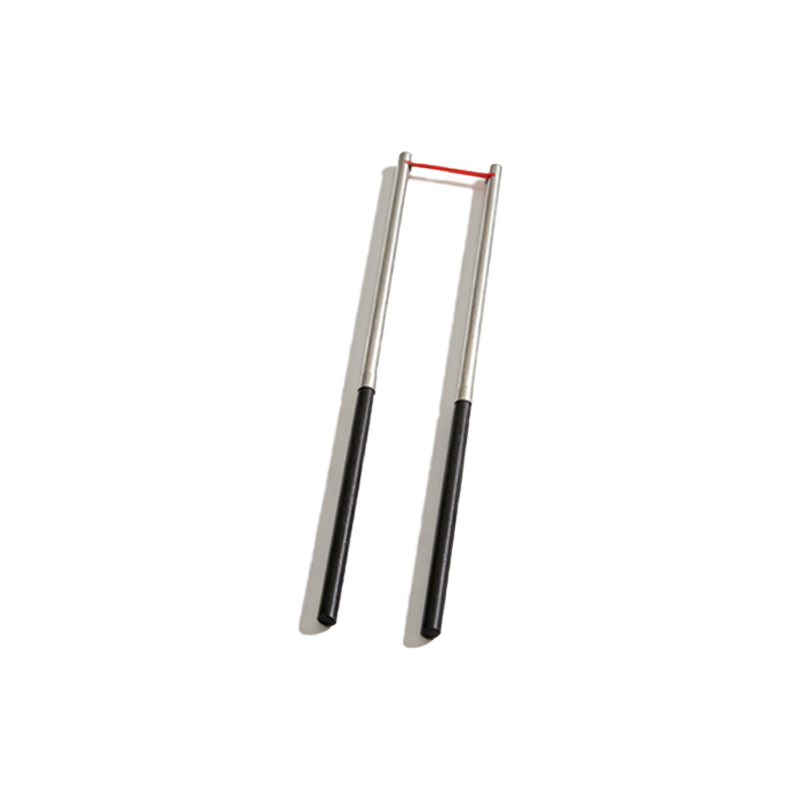
The design of the L-bracket offers several practical advantages during installation and operation. Firstly, it facilitates flexible mounting orientations. Engineers can mount the sensor vertically, horizontally, or at an angle, adapting to the spatial constraints of the machinery. The bracket often allows for slight positional adjustments before final tightening, enabling fine-tuning of the sensor's location relative to the target object's path. Secondly, the L-bracket acts as a strain relief mechanism. Cables connected to the sensor's electrical terminals are less likely to bear mechanical stress directly, as the bracket absorbs forces from mounting and vibration. This protection extends the life of the electrical connections. Furthermore, the raised profile created by the bracket can help prevent the accumulation of dust, chips, or liquids directly beneath the sensor slot, aiding in maintaining a clear optical path.
Material and Durability Considerations
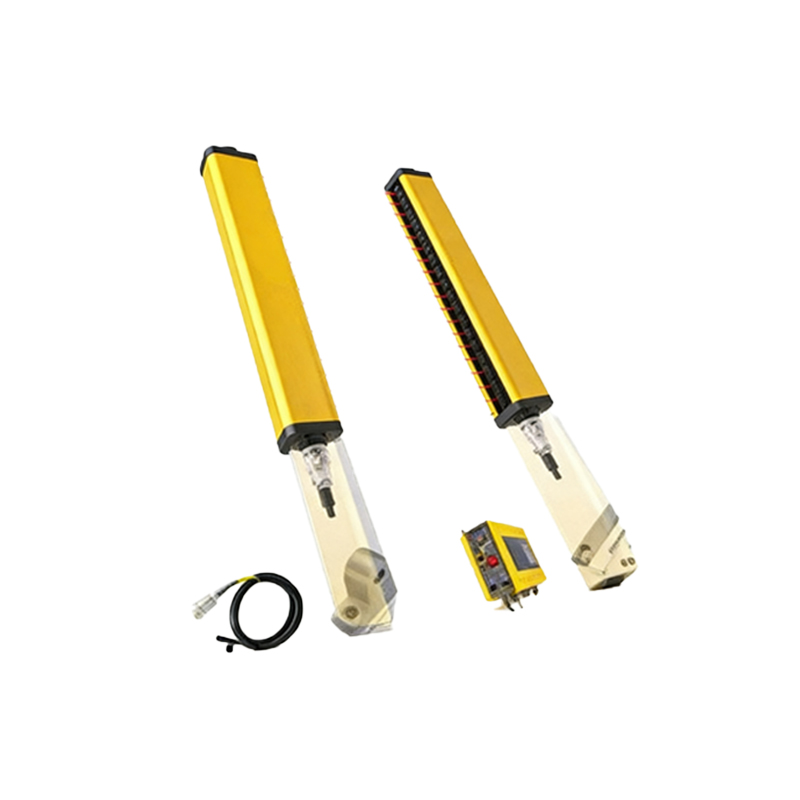
L-brackets are manufactured from materials that match or complement the sensor housing, commonly using robust engineering plastics like PBT or metals such as stainless steel or anodized aluminum. The choice of material is dictated by the application environment. For harsh conditions involving exposure to coolants, oils, or corrosive chemicals, stainless steel brackets offer superior resistance and durability. In high-vibration environments, the inherent rigidity of a metal bracket provides exceptional stability. The design must also account for thermal expansion coefficients to ensure mounting integrity across the sensor's operational temperature range. A well-designed L-bracket will have precisely molded or machined features, ensuring the mounting holes are true and the bracket itself does not warp or flex under load, which is paramount for maintaining long-term alignment.
Application-Specific Configurations and Selection
Not all slot sensors feature an identical L-bracket design. Variations exist to meet specific application needs. Some brackets are molded as a fixed, inseparable part of the sensor housing, offering maximum rigidity. Others are provided as a separate, attachable accessory, giving designers flexibility. The number, size, and pattern of mounting holes can vary—some may feature slots instead of round holes for adjustable positioning. In miniaturized or micro slot sensors, the L-leg might be proportionally smaller but remains functionally essential. When selecting a slot sensor, engineers must evaluate the bracket's compatibility with the mounting surface, its ability to withstand the environmental class (IP rating, NEMA rating), and the mechanical loads anticipated. Ignoring the bracket's specifications can lead to installation challenges and compromised sensor performance.
Maintenance and Best Practices
Proper utilization of the L-bracket is key to maintenance-free operation. During installation, it is crucial to use the correct fasteners (screws, bolts) specified by the manufacturer and to torque them to the recommended value. Over-tightening can crack the bracket or housing, while under-tightening can lead to loosening under vibration. The mounting surface should be clean, flat, and sufficiently robust. Periodic inspections should include checking the tightness of these mounting fasteners as part of a routine maintenance schedule. If a sensor requires removal and reinstallation, it should be remounted using the same bracket points to preserve its original alignment. Understanding that the L-bracket is the primary interface between the sensitive electronics and the often harsh mechanical world is a fundamental best practice in industrial sensor application.
Conclusion
In summary, the L-bracket on a slot type photoelectric sensor is a deceptively simple feature that plays an indispensable role in industrial sensing reliability. It transcends its basic function as a mounting tab to become a vital element for ensuring alignment stability, operational durability, and installation flexibility. By providing a secure mechanical interface, it protects the sensor's optical integrity from the rigors of the industrial environment. Engineers and technicians must give due consideration to its design, material, and proper use during selection and installation. A robust L-bracket, correctly employed, is a cornerstone that allows the advanced optical detection technology within the slot sensor to perform accurately and consistently for years, thereby safeguarding productivity and system uptime in automated processes.