Introduction to Photoelectric Sensing Technology
Photoelectric sensors have long been a cornerstone of industrial automation, providing reliable, non-contact detection of objects. These devices operate by emitting a beam of light, typically from an LED or laser diode, and detecting changes in the received light signal caused by the presence or absence of a target. The fundamental principle is elegantly simple, yet the applications are vast and continually expanding. From basic through-beam sensors to more sophisticated reflective and diffuse models, the core technology offers solutions for counting, positioning, inspection, and safety. As industries evolve towards greater connectivity and intelligence, the role of the photoelectric sensor is also transforming, moving beyond mere presence detection to become a critical data point in the Industrial Internet of Things (IIoT) ecosystem.
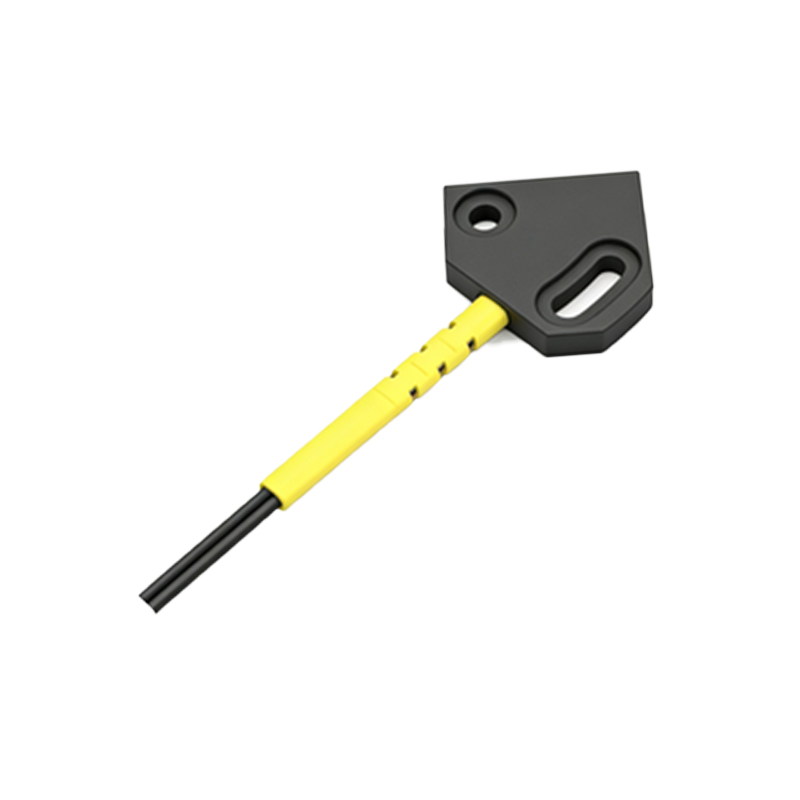
Key Technological Advancements Driving Expansion
The expansion of photoelectric sensor capabilities is fueled by several key technological advancements. First, the development of high-intensity, precision light sources, including advanced LEDs and laser diodes, has significantly increased sensing ranges and improved accuracy, even in challenging environments with ambient light interference. Second, innovations in optics and lens design allow for the creation of sensors with extremely focused beams or wide-area detection patterns, catering to highly specific application needs. Third, and perhaps most transformative, is the integration of intelligent electronics. Modern sensors now incorporate microprocessors that enable advanced functions like background suppression, precise distance measurement via time-of-flight (ToF) principles, and automatic sensitivity adjustment. This intelligence allows a single sensor model to adapt to various targets and conditions, reducing setup time and increasing flexibility on the production floor.
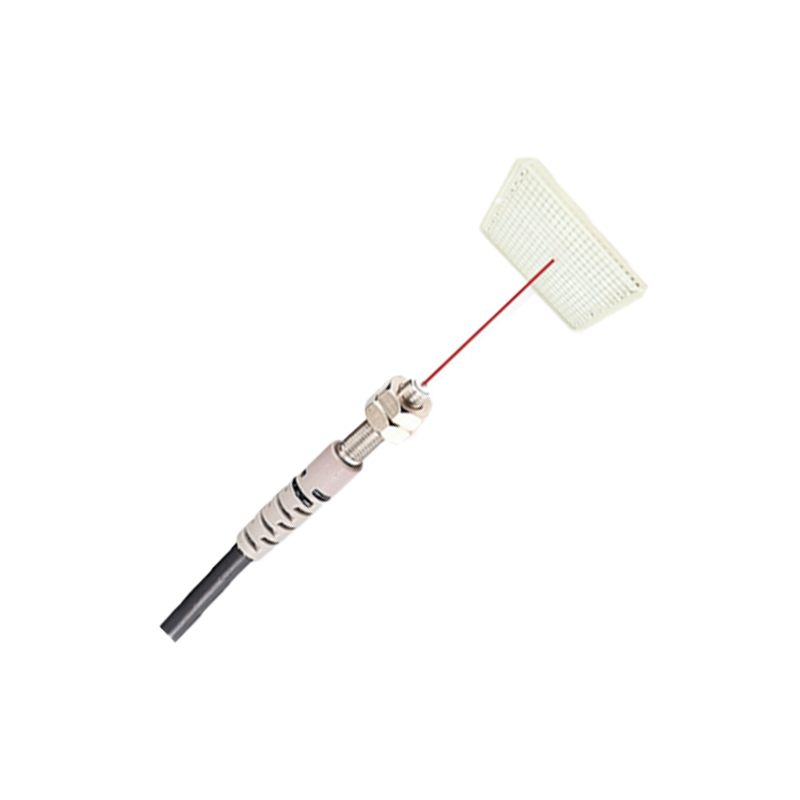
Enhanced Connectivity and IIoT Integration
The traditional photoelectric sensor was an isolated device providing a simple on/off signal to a PLC. Today, expansion means connectivity. Modern sensors are equipped with industrial communication protocols like IO-Link, which acts as a gateway for bidirectional data exchange. Through IO-Link, not only can the sensor's switching signal be read, but also its parameters (like sensitivity, time delays) can be configured remotely. Furthermore, real-time diagnostic data—such as signal strength, operating temperature, and lens contamination levels—can be monitored. This data is invaluable for predictive maintenance, allowing engineers to service a sensor before it fails, thus minimizing unplanned downtime. By feeding this data into higher-level SCADA or MES systems, photoelectric sensors become intelligent nodes in a comprehensive IIoT network, contributing to overall equipment effectiveness (OEE) and smart factory initiatives.
Overcoming Traditional Application Challenges
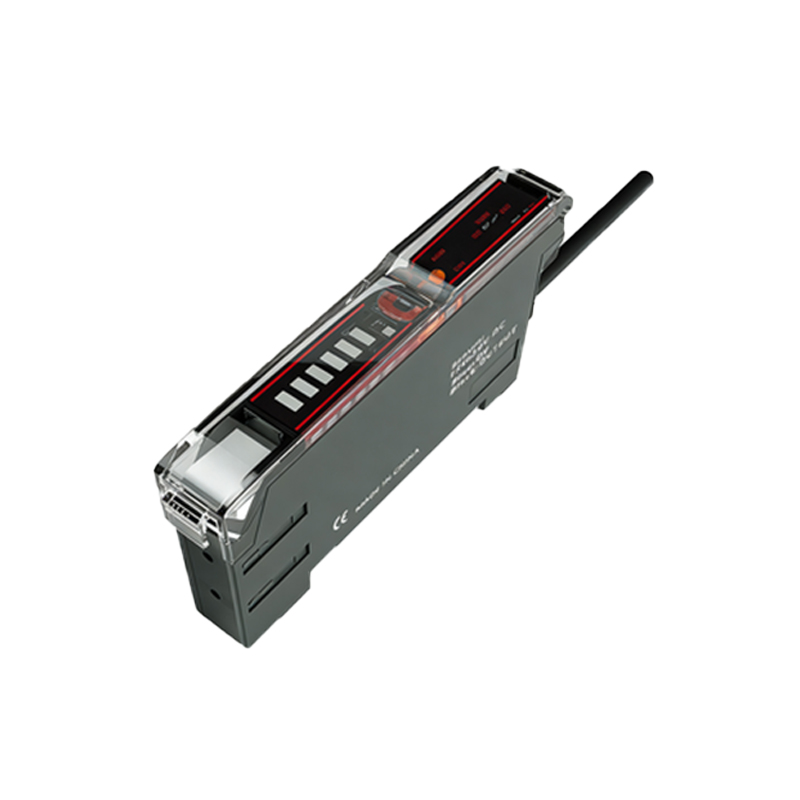
The expansion of photoelectric sensors is also evident in their ability to solve previously difficult detection problems. For instance, the detection of transparent objects like glass bottles or clear films was a significant challenge for standard diffuse sensors. The development of sensors with polarized filters or specialized coaxial optical designs has effectively solved this issue. Similarly, detecting low-contrast objects—such as a white cap on a white background—is now possible with high-resolution, contrast-based sensors. In harsh environments with heavy dust, steam, or vibration, ruggedized housings with high IP ratings and specialized algorithms that compensate for signal degradation ensure reliable operation. These advancements have opened new application areas in food and beverage, pharmaceutical, and packaging industries where such challenges are commonplace.
Emerging Applications and Future Trends
The frontier for photoelectric sensors continues to move into new and emerging applications. In logistics and warehousing, miniature, high-speed sensors are critical for sortation systems and automated guided vehicles (AGVs). In the renewable energy sector, sensors are used for precise alignment in solar panel manufacturing and monitoring. A significant trend is the miniaturization of sensor packages without sacrificing performance, enabling their integration into compact machinery and consumer electronics assembly lines. Looking ahead, the convergence of photoelectric sensing with other technologies, such as machine vision for basic shape verification or color detection, is on the horizon. Furthermore, the development of "smart sensors" with embedded edge computing capabilities will allow for preliminary data processing and decision-making at the device level, further speeding up system response times and reducing the load on central controllers.
Conclusion: A Strategic Component for Automation
The evolution of photoelectric sensors from simple switches to intelligent, connected devices underscores their strategic importance in modern industrial automation. Their expansion is not merely about doing the same job better; it is about enabling entirely new functions and levels of system intelligence. For engineers and system integrators, understanding these expanded capabilities is crucial for designing more efficient, reliable, and data-rich automation solutions. By leveraging advancements in optics, electronics, and connectivity, the humble photoelectric sensor continues to be a versatile and indispensable tool, poised to meet the demands of increasingly complex and connected industrial environments for years to come.