Introduction to Safety Capacitive Proximity Sensors
Safety capacitive proximity sensors are specialized devices designed to detect the presence or absence of objects without physical contact, utilizing changes in capacitance. Unlike standard capacitive sensors, safety-rated versions are engineered to meet stringent international safety standards, such as IEC 60947-5-2 and ISO 13849, ensuring reliable performance in critical applications where human safety or equipment protection is paramount. These sensors are integral to modern industrial automation, providing non-contact detection for materials like liquids, powders, metals, and non-metals, while incorporating fail-safe mechanisms to prevent hazardous failures. Their ability to operate through non-conductive barriers makes them versatile for diverse environments, from manufacturing lines to hazardous areas, where they contribute to risk reduction and operational efficiency by enabling automated safety interlocks and monitoring systems.
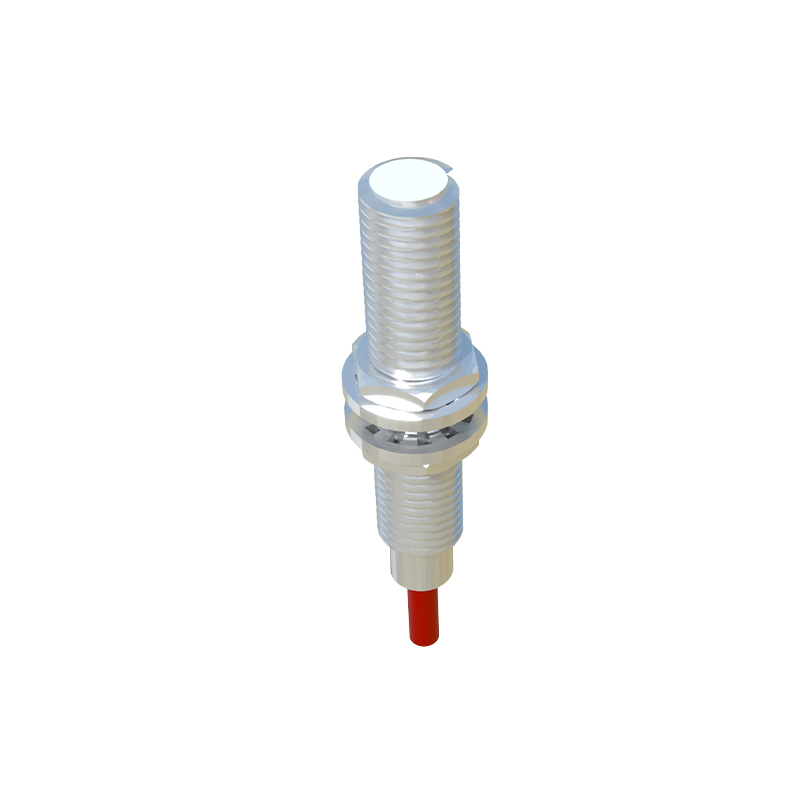
Key Types of Safety Capacitive Proximity Sensors
Safety capacitive proximity sensors can be categorized based on their design, functionality, and application-specific features. One common type is the self-contained safety sensor, which integrates all necessary electronics, including diagnostics and output switching, into a single housing. These sensors often feature dual-channel outputs with cross-monitoring to detect internal faults, such as short circuits or wire breaks, and are typically used in safety circuits like emergency stop systems. Another variant is the modular safety sensor, which separates the sensing element from the evaluation unit, allowing for flexible installation in space-constrained areas. These modules often support multiple sensing ranges and materials detection, with adjustable sensitivity to fine-tune performance for specific tasks, such as level monitoring in tanks or presence detection on conveyor belts. Additionally, explosion-proof safety capacitive sensors are available for use in hazardous locations where flammable gases or dusts are present, certified under standards like ATEX or IECEx to prevent ignition risks.
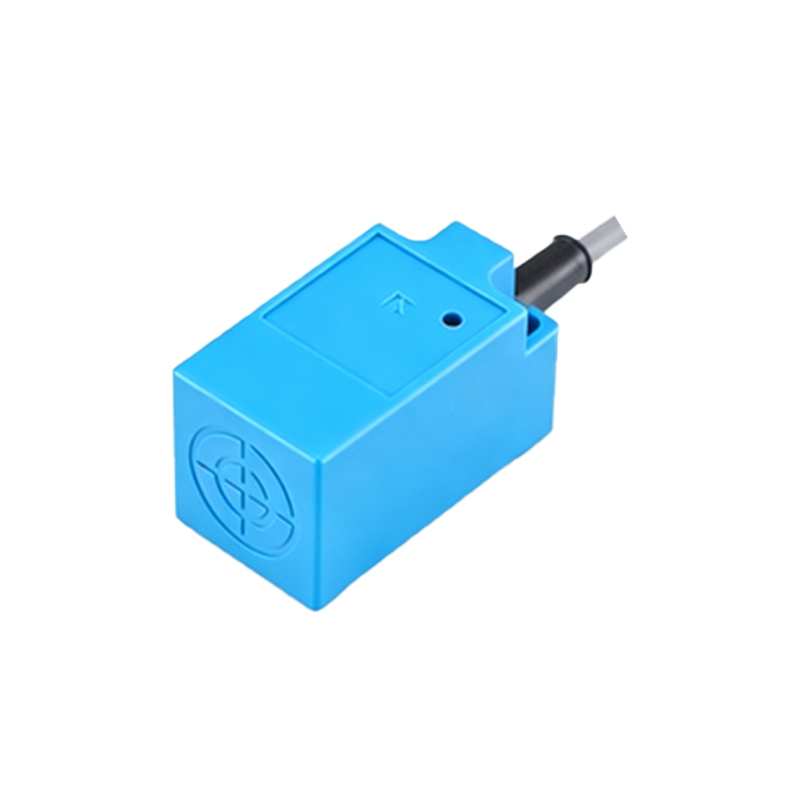
Technical Features and Safety Mechanisms
The reliability of safety capacitive proximity sensors stems from advanced technical features and built-in safety mechanisms. They typically employ redundant circuitry and diagnostic functions that continuously check for errors, such as output signal discrepancies or power supply faults. Many models offer a safe state output, where the sensor switches off or enters a defined state upon detecting a failure, thereby preventing unsafe machine operation. Adjustable sensing ranges, often up to several centimeters, allow customization for different object sizes and materials, while high noise immunity ensures stable performance in electrically noisy industrial environments. Some sensors include teach-in functionality for easy setup, enabling operators to program detection thresholds by simply presenting the target object. Furthermore, robust housing materials, such as stainless steel or PBT plastic, provide resistance to chemicals, moisture, and mechanical impacts, ensuring durability in harsh conditions. Compliance with Safety Integrity Levels (SIL) or Performance Levels (PL) certifies their suitability for safety-related control systems.
Applications in Industrial Automation
In industrial automation, safety capacitive proximity sensors serve critical roles across various sectors. In packaging and material handling, they detect product presence on assembly lines, triggering safety stops if an obstruction is sensed, thus preventing jams or damage. For liquid and bulk solid level control, these sensors monitor fill levels in tanks or silos, ensuring safe operation by preventing overflows or run-dry conditions. In automotive manufacturing, they are used in robotic cells to safeguard workers by detecting intrusions into restricted zones, often interfacing with safety controllers to halt machinery. The food and beverage industry benefits from their ability to sense through non-metallic containers, enabling hygienic, non-contact detection without contamination risks. Additionally, in woodworking or metalworking, they provide machine guarding by sensing tool breakage or misalignment, contributing to equipment protection and operator safety. Their versatility extends to renewable energy systems, such as wind turbines, where they monitor component positions and conditions.
Selection and Installation Best Practices
Choosing the right safety capacitive proximity sensor requires careful consideration of application parameters. Key factors include the sensing range needed for the target material, environmental conditions like temperature and humidity, and required safety certifications. It is essential to verify compatibility with the control system, ensuring outputs (e.g., PNP or NPN) match the safety relay or PLC inputs. During installation, proper mounting and alignment are crucial to avoid false triggers from nearby objects or background interference. Shielding or grounding may be necessary in high-noise areas to maintain signal integrity. Regular maintenance, such as cleaning the sensing face to remove debris, helps sustain accuracy. Users should follow manufacturer guidelines and conduct periodic functional tests, as part of a risk assessment, to ensure ongoing compliance with safety standards. Integrating these sensors into a layered safety strategy, alongside other devices like light curtains or interlocks, enhances overall system reliability.
Future Trends and Innovations
The evolution of safety capacitive proximity sensors is driven