Introduction to Low-Power Metal Proximity Sensing
In the evolving landscape of industrial automation and IoT, the demand for sensors that combine reliable detection with minimal energy consumption has never been higher. Low-power metal proximity sensors stand at the forefront of this demand, offering a critical solution for applications where power availability is constrained or where operational longevity is paramount. These sensors are engineered to detect the presence or absence of metallic objects without physical contact, utilizing principles like inductive sensing, but with circuit designs and component selections meticulously optimized to draw minimal current from their power source, often batteries or energy-harvesting systems.
Core Operating Principles and Technologies
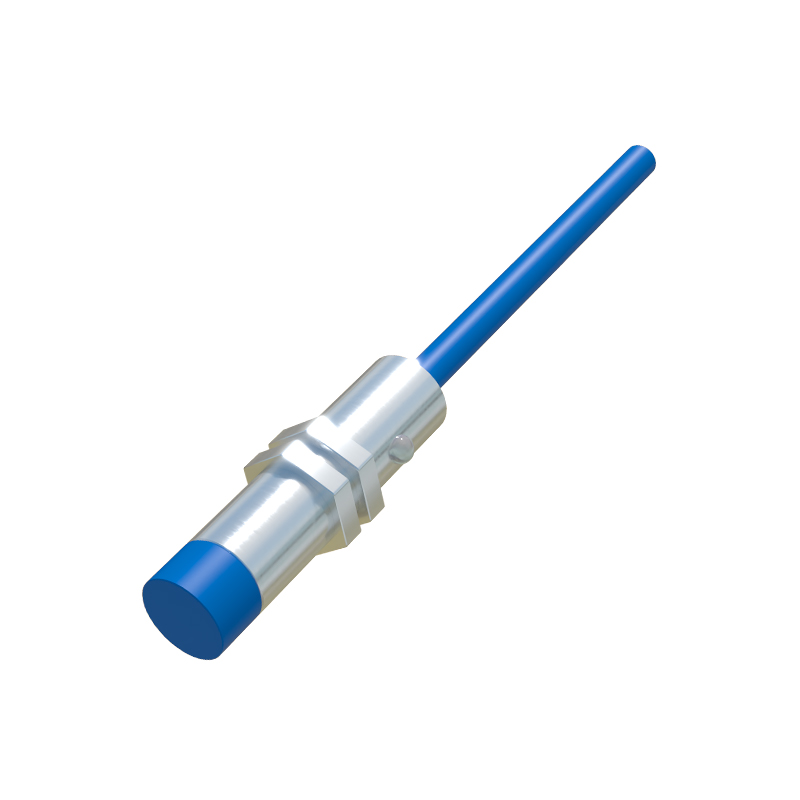
The foundational technology for most low-power metal proximity sensors is the inductive eddy-current principle. An oscillator circuit generates a high-frequency electromagnetic field from a coil in the sensor's face. When a metallic target enters this field, eddy currents are induced on the target's surface, causing a measurable change in the oscillation amplitude or frequency. The key to low-power operation lies in the sophisticated management of this oscillator. Advanced designs employ pulsed operation, where the oscillator is activated in brief, precise intervals rather than continuously. Microcontroller units (MCUs) with ultra-low-power sleep modes orchestrate these pulses, waking only to take a measurement before returning to a near-zero power state. Furthermore, the use of components with low leakage currents and optimized coil geometries contributes significantly to reducing overall power draw.
Design Considerations for Optimal Power Management
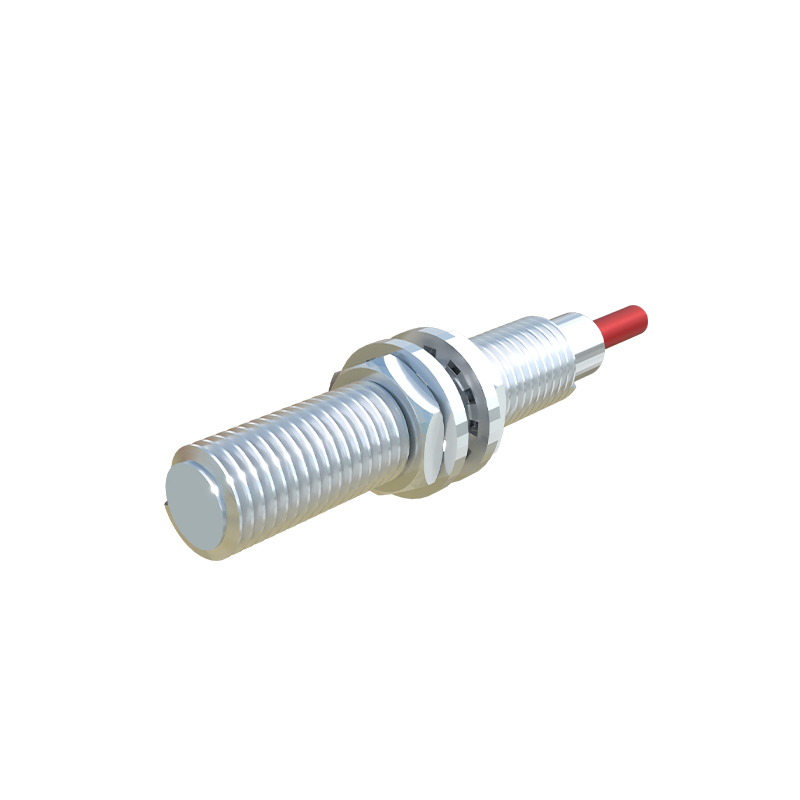
Achieving true low-power performance extends beyond the sensing element itself. It requires a holistic design approach. Power management integrated circuits (PMICs) are crucial for regulating input voltage with high efficiency, minimizing losses. The choice of output configuration also plays a role; while traditional three-wire DC sensors with solid-state outputs are common, two-wire (loop-powered) designs can offer inherent power advantages in certain configurations. Engineers must also consider the sensor's housing material; ferrite cores or shields can be used to shape the electromagnetic field more efficiently, allowing for either a reduction in driving power or an increase in sensing distance for the same power budget. Careful electromagnetic compatibility (EMC) design prevents energy loss through unintended radiation.
Key Performance Metrics and Trade-offs
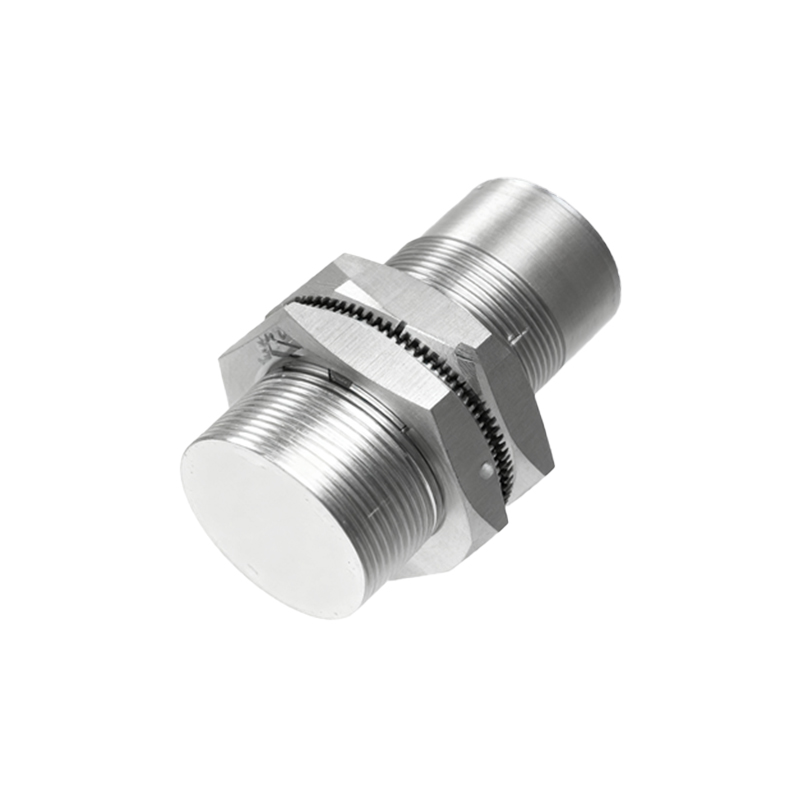
Evaluating a low-power metal proximity sensor involves balancing several interrelated metrics. The most obvious is the average current consumption, typically specified in microamperes (µA) for battery-powered devices. This is directly linked to the sensor's switching frequency or response time; faster response often requires more frequent sampling, increasing power use. Sensing distance, another critical parameter, is inherently linked to power. A longer nominal sensing distance usually demands a stronger electromagnetic field, consuming more energy. Therefore, specifications must be scrutinized in context: a sensor rated for 5mm detection at 10µA is a different class of product than one rated for 10mm at 100µA. Engineers must select based on the specific application's required range, speed, and available power.
Applications Driving Adoption and Innovation
The application spectrum for these sensors is vast and growing. In battery-powered industrial handheld tools and portable diagnostic equipment, they enable features like automatic on/off switching or tool head detection. Within the Internet of Things (IoT), they are deployed in wireless sensor nodes for monitoring asset presence, door/window states, or equipment tampering in remote locations, where battery life may need to extend for years. Automotive applications, particularly in keyless entry systems and tire pressure monitoring systems (TPMS), rely on their efficiency. Furthermore, in smart agriculture and infrastructure monitoring, where solar harvesting is common, low-power sensors ensure continuous operation even during periods of low light.
Future Trends and Material Advancements
The future of low-power metal sensing is tied to advancements in several areas. The integration of more powerful, yet even more energy-efficient, microcontrollers with dedicated sensing peripherals will allow for smarter adaptive sampling algorithms. The development of new low-loss ferrite and composite materials can lead to more sensitive coils. Perhaps most significantly, the trend towards fully integrated "sensor-on-a-chip" solutions continues. These monolithic devices incorporate the coil, oscillator, signal conditioning, and digital logic into a single package, dramatically reducing size and power while improving reliability. As energy harvesting techniques mature, the synergy with ultra-low-power sensors will unlock truly autonomous, maintenance-free sensing networks across industries.