Introduction to Flat Photoelectric Sensors
Flat photoelectric sensors represent a significant advancement in industrial sensing technology. Characterized by their slim, compact design, these sensors are engineered to fit into tight spaces where traditional bulky sensors cannot. They operate on the principle of detecting changes in light intensity, typically using infrared, visible, or laser light sources. The emitter sends a light beam, and the receiver detects its presence or absence, triggered by an object interrupting the beam or reflecting it. This fundamental mechanism allows for non-contact detection of objects, making them ideal for applications requiring high precision and minimal physical interference. Their flat profile not only saves space but also reduces the risk of damage in congested industrial environments, enhancing both reliability and installation flexibility.
Key Design Features and Advantages
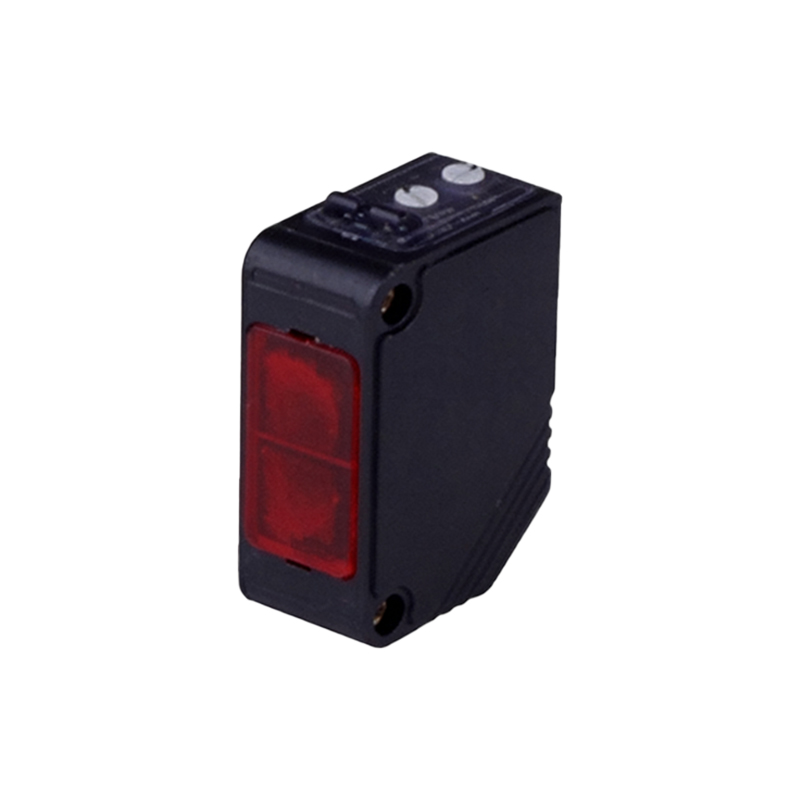
The design of flat photoelectric sensors incorporates several innovative features that set them apart. Firstly, their low-profile housing, often just a few millimeters thick, allows for seamless integration into machinery and production lines without protruding. This minimizes the chance of snagging or collision with moving parts. Many models feature built-in amplifiers and digital displays, simplifying setup and calibration. Advanced versions offer adjustable sensing ranges and sensitivity settings, enabling customization for specific tasks. Additionally, they are typically constructed from durable materials like stainless steel or rugged plastics, ensuring resistance to dust, moisture, and mechanical shocks. These advantages lead to reduced downtime, lower maintenance costs, and improved operational efficiency in automated systems.
Common Applications in Industry
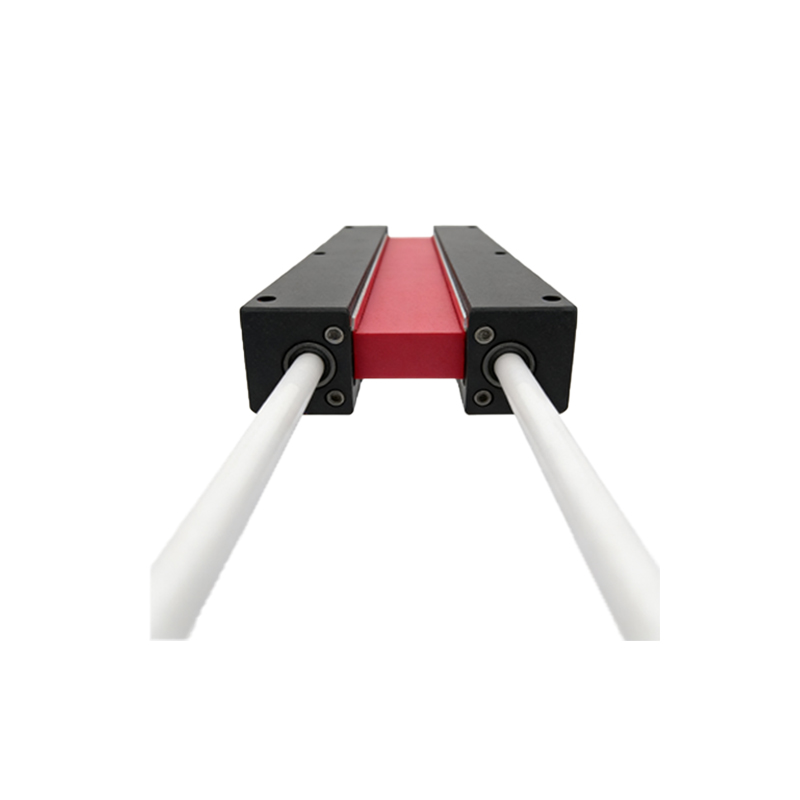
Flat photoelectric sensors are versatile tools used across various industrial sectors. In packaging lines, they detect the presence of labels, caps, or products on conveyor belts, ensuring proper alignment and counting. In automotive manufacturing, they monitor the position of components during assembly, such as verifying the placement of screws or panels. The electronics industry relies on them for PCB board inspection and component insertion checks. Their slim design is particularly beneficial in robotic arms and grippers, where space is limited, allowing for precise object detection without hindering movement. Furthermore, they are employed in material handling systems to control inventory levels and in safety systems to create light curtains for personnel protection.
Technical Specifications and Selection Criteria
When selecting a flat photoelectric sensor, engineers must consider several technical parameters. Sensing distance is crucial, with typical ranges from a few centimeters to several meters, depending on the model and light type. Response time, often in milliseconds, determines how quickly the sensor can detect changes, affecting system speed. Output types include NPN, PNP, or analog signals, which must be compatible with the control system. Environmental factors like operating temperature, IP rating for ingress protection, and resistance to chemicals should align with the application conditions. It's also important to evaluate the light source: infrared sensors are common for general purposes, while laser sensors offer higher accuracy for precise measurements. Consulting manufacturer datasheets and testing in real-world scenarios can aid in optimal selection.
Installation and Maintenance Best Practices
Proper installation and maintenance are key to maximizing the performance and lifespan of flat photoelectric sensors. During installation, ensure the sensor is mounted securely and aligned correctly with the target area to avoid false triggers. Avoid placing it near strong ambient light sources, which can interfere with detection. Regular cleaning of the lens with a soft cloth prevents dust buildup that might attenuate the light beam. Periodic checks should include verifying electrical connections and testing response times. Many modern sensors feature diagnostic LEDs that indicate operational status, simplifying troubleshooting. Implementing a preventive maintenance schedule helps identify issues early, reducing unexpected failures and maintaining consistent productivity in automated processes.
Future Trends and Innovations
The future of flat photoelectric sensors is shaped by ongoing technological innovations. Integration with Industry 4.0 and IoT platforms is becoming more prevalent, enabling sensors to transmit data wirelessly for real-time monitoring and predictive analytics. Advances in miniaturization are leading to even thinner designs with enhanced capabilities, such as multi-function sensors that combine detection with measurement tasks. Improved energy efficiency and the use of smart materials are also on the horizon, reducing power consumption and environmental impact. As automation demands grow, these sensors will likely incorporate AI algorithms for adaptive sensing, allowing them to learn from environmental changes and optimize performance autonomously, further revolutionizing industrial automation landscapes.