Introduction to Proximity Switch Sensors in Material Handling
In the high-speed, automated world of modern logistics, precision and reliability are non-negotiable. At the heart of countless material transfer and sorting operations lies a critical component: the proximity switch sensor. These non-contact detection devices are the silent sentinels of logistics lines, providing the essential feedback that controls the movement, positioning, and transfer of goods. From parcel distribution centers to automotive assembly lines, proximity sensors ensure that pallets, totes, and products are correctly aligned for robotic pick-up, conveyor transfers, or automated guided vehicle (AGV) loading. Their ability to function in harsh environments—resistant to dust, vibration, and moisture—makes them indispensable for maintaining uninterrupted 24/7 operations.
Core Operating Principles and Technologies
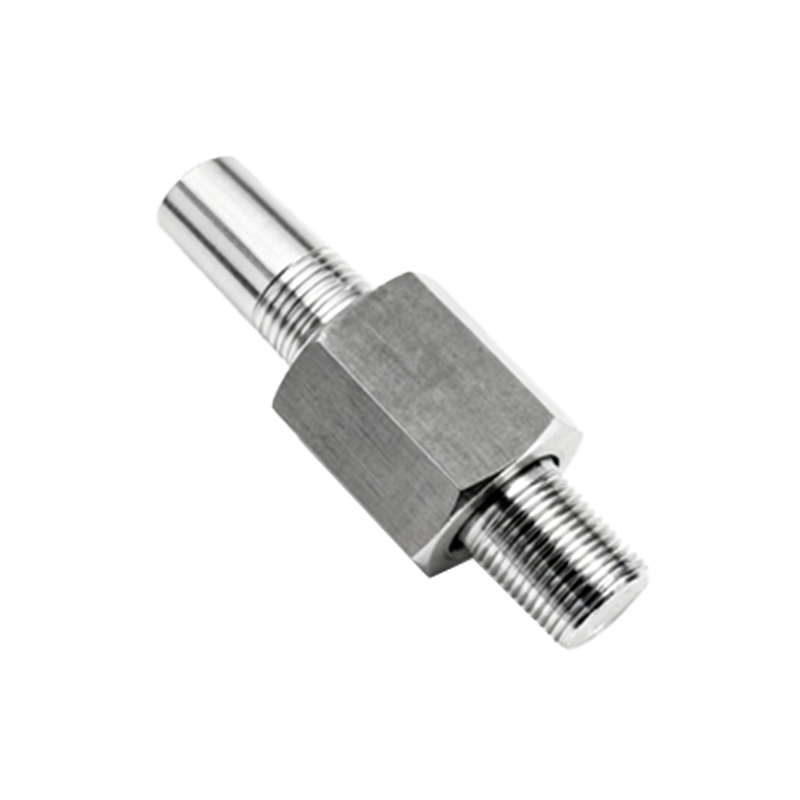
Proximity switches used in logistics transfer applications primarily operate on two principles: inductive and capacitive sensing. Inductive proximity sensors are the workhorses for detecting metallic objects. They generate an electromagnetic field; when a metal target (like a pallet frame, machine part, or metal-cased product) enters this field, it causes a change in oscillation amplitude, triggering the sensor's switch. For non-metallic materials such as cardboard boxes, plastic totes, or wooden pallets, capacitive proximity sensors are employed. These sensors detect changes in capacitance caused by the presence of any material, making them versatile for mixed-load environments. A third, crucial type is the photoelectric sensor, often used in tandem for precise positioning at transfer points, detecting the presence or absence of an object via a light beam.
Key Application Points in Transfer Systems
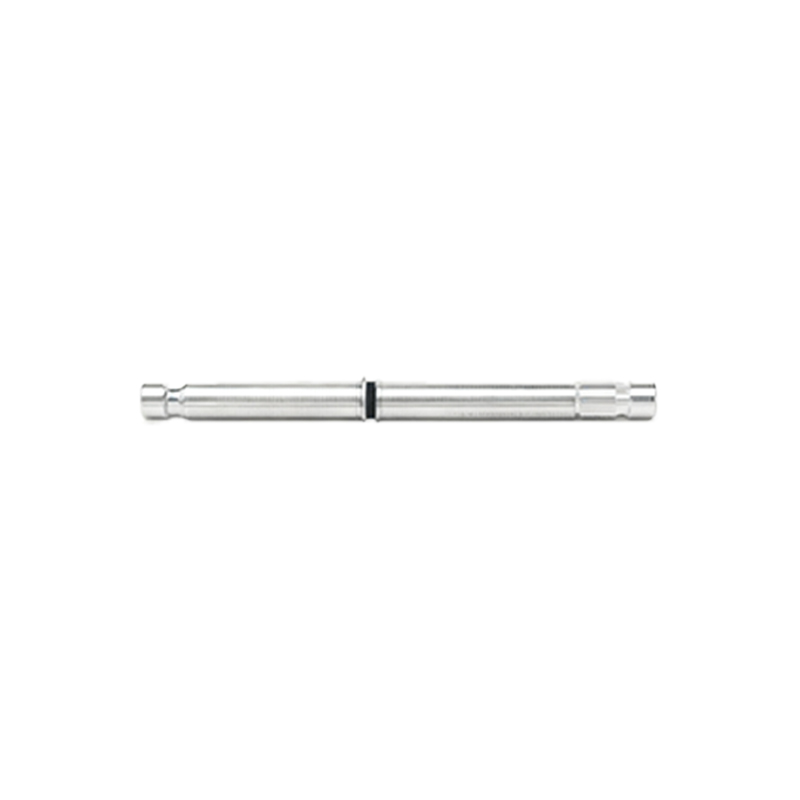
The strategic placement and selection of proximity sensors directly impact system efficiency. A primary application is position verification for lift-and-transfer units or cross-belt sorters. Sensors confirm a tray or carrier is in the correct position before initiating a lateral transfer. They are also vital for pallet presence detection at conveyor junctions, preventing collisions and ensuring smooth handoffs between different line sections. In robotic cell loading/unloading stations, inductive sensors precisely detect the approach of a robotic arm or the position of a fixture, providing the "go" signal for the transfer sequence. Furthermore, they are used for edge detection on accumulating conveyors to maintain proper gap control between products before a merge or transfer point.
Selection Criteria for Harsh Logistics Environments
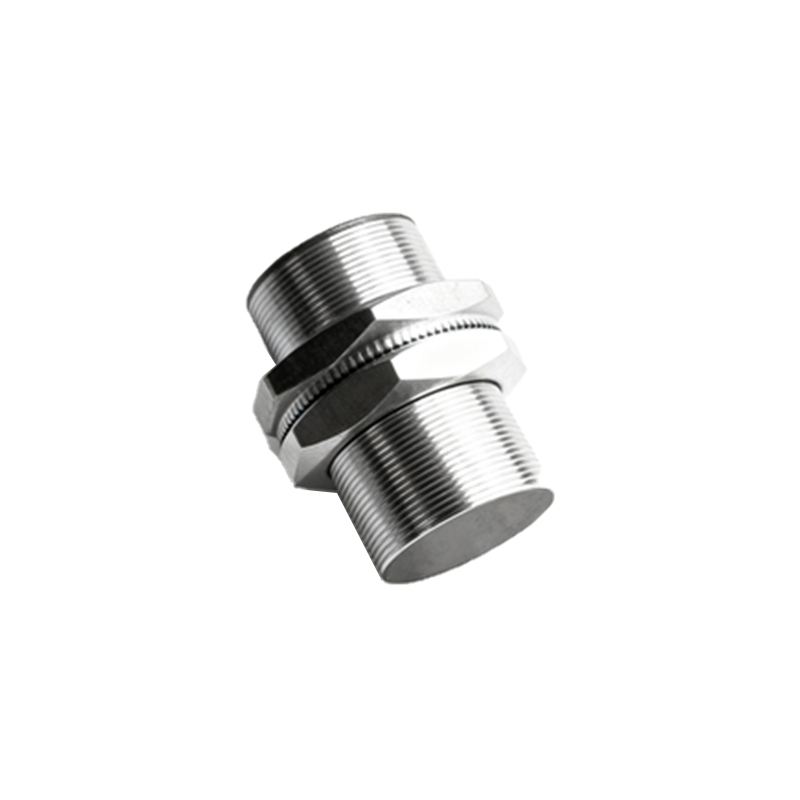
Choosing the right sensor is a calculated engineering decision. Environmental factors are paramount. Sensors must have a high Ingress Protection (IP) rating, typically IP67 or higher, to withstand washdowns and dust. The sensing range must be carefully selected—too short, and it may miss targets; too long, and it may cause false triggers from passing objects. For metallic targets, the sensing distance is reduced when detecting non-ferrous metals like aluminum, a key consideration for modern lightweight pallets. Response frequency is critical in high-speed sorting systems; a sensor must be fast enough to detect rapidly moving objects. Finally, physical construction is key: cylindrical sensors in M8, M12, or M18 threaded barrels are common for easy mounting, while rectangular block-style sensors offer longer ranges for specific applications.
Installation, Alignment, and Maintenance Best Practices
Proper installation is crucial for optimal performance. Sensors must be securely mounted to minimize vibration-induced misalignment. The sensing face must be parallel to the target surface and positioned within its nominal sensing distance, accounting for any mechanical tolerances or sway in the moving parts. Adequate clearance from surrounding metal (the "flush-mountable" feature helps here) prevents interference with the electromagnetic field. Regular maintenance involves checking for physical damage, buildup of debris on the sensing face, and verifying the stability of electrical connections. Diagnostic tools like LED indicators on the sensor body are invaluable for quick troubleshooting, showing power status and output activation.
Integration with Control Systems and Networking
Modern proximity sensors are intelligent endpoints in the Industrial Internet of Things (IIoT) ecosystem. While traditional two-wire or three-wire DC sensors connect directly to a Programmable Logic Controller (PLC) input, advanced models offer IO-Link capability. IO-Link provides digital bidirectional communication, allowing for parameterization (e.g., adjusting sensing distance digitally), detailed diagnostics (like operating hours or temperature data), and faster identification of faulty devices. This data integration enables predictive maintenance, reducing unplanned downtime. The sensor's discrete signal ultimately forms the foundational layer of the control logic that orchestrates the entire transfer sequence, from initiating a pneumatic pusher to commanding a robotic gripper.
Future Trends and Advancements
The evolution of proximity sensors aligns with Industry 4.0 trends. Miniaturization continues, allowing for installation in increasingly