Introduction to Shenzhou Optoelectronic Sensors
Shenzhou optoelectronic sensors are advanced components designed for precise detection and measurement in various industrial applications. These sensors utilize light-based technology to convert optical signals into electrical outputs, enabling accurate monitoring of parameters such as position, speed, and presence. Commonly used in automation, robotics, and manufacturing systems, they offer high reliability and sensitivity. While primarily engineered for heavy-duty environments, their compact design and efficiency raise questions about potential integration into consumer electronics like laptops. This article explores the feasibility, technical aspects, and practical considerations of using Shenzhou optoelectronic sensors in laptop devices, addressing key factors such as compatibility, performance, and industry standards.
Technical Specifications and Compatibility
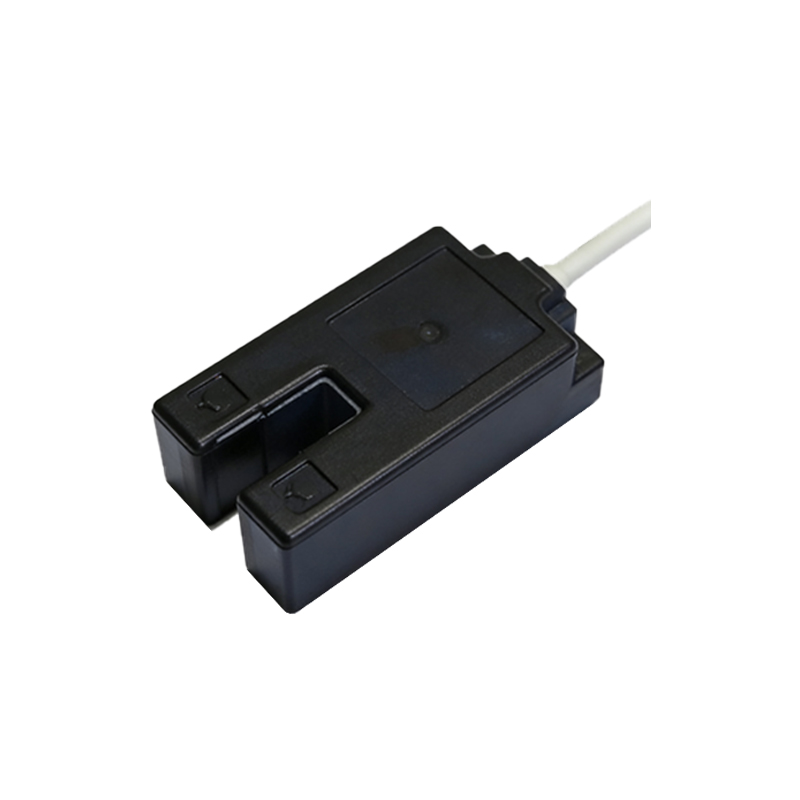
Shenzhou optoelectronic sensors typically operate with voltage ranges from 5V to 24V DC, which aligns with standard laptop power supplies. Their output signals, including digital (e.g., TTL) and analog types, can interface with microcontrollers or integrated circuits found in laptops. However, laptops require low-power components to conserve battery life, and Shenzhou sensors may need modifications for optimal energy efficiency. Size constraints are another critical factor; while some sensor models are miniaturized, they must fit within the slim profiles of modern laptops without hindering thermal management or other internal components. Compatibility with existing laptop architectures, such as USB or I2C interfaces, would require additional adapters or embedded designs, potentially increasing complexity.
Potential Applications in Laptops
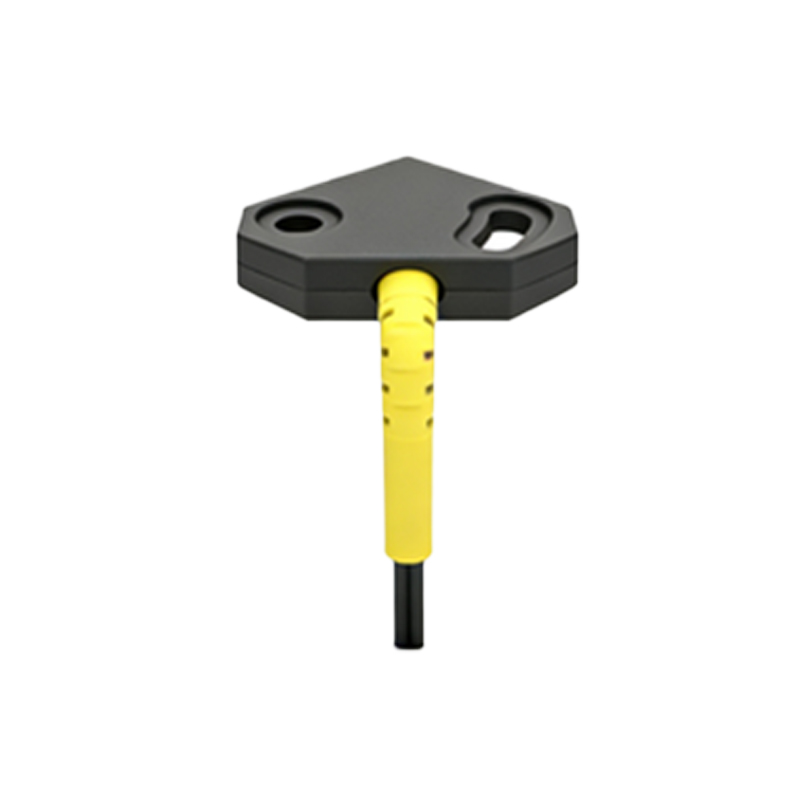
If integrated, Shenzhou optoelectronic sensors could enhance laptop functionality in several ways. For instance, they might enable advanced gesture control by detecting hand movements near the screen, improving user interaction beyond traditional touchpads. In security, sensors could provide biometric authentication through iris or fingerprint scanning with higher accuracy. Additionally, they could monitor ambient light conditions to automatically adjust screen brightness, optimizing visibility and power consumption. In gaming or professional laptops, these sensors might track device orientation or detect physical impacts, triggering protective measures. However, such applications depend on seamless integration with laptop software and hardware, necessitating collaboration between sensor manufacturers and laptop developers.
Performance and Reliability Considerations
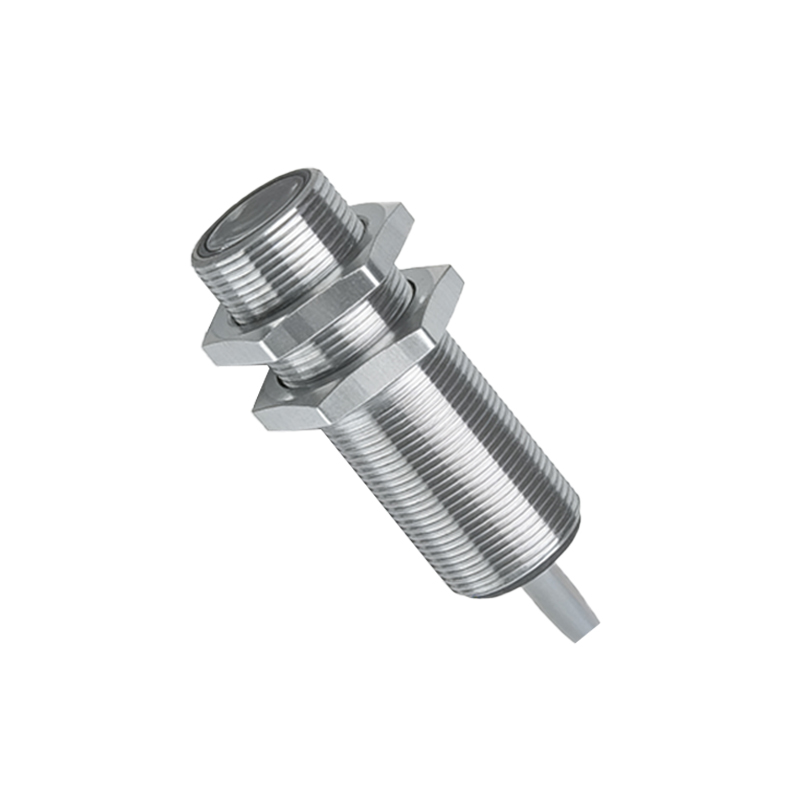
Shenzhou sensors are known for durability in industrial settings, but laptop environments pose unique challenges. Laptops often experience temperature fluctuations, physical shocks, and electromagnetic interference from internal components like processors and Wi-Fi modules. The sensors must maintain precision under these conditions without causing overheating or signal noise. Long-term reliability is crucial, as laptops have longer lifespans than many industrial tools. Testing under typical usage scenarios—such as continuous operation, sleep modes, and high-load applications—would be essential to ensure performance matches consumer expectations. Moreover, calibration and maintenance requirements should be minimal to avoid user inconvenience.
Industry Standards and Market Feasibility
Adopting Shenzhou optoelectronic sensors in laptops requires adherence to consumer electronics standards, such as RoHS for environmental safety and FCC for electromagnetic compliance. While Shenzhou products may meet industrial certifications, they might need updates to satisfy laptop-specific regulations. Cost is another significant factor; industrial sensors are often priced higher due to rugged features, which could increase laptop manufacturing expenses. Market demand also plays a role—consumers may prioritize affordability over advanced sensor features unless they offer tangible benefits like enhanced security or usability. Collaboration with laptop brands could drive innovation, but widespread adoption depends on proving value in competitive tech markets.
Conclusion and Future Outlook
In summary, Shenzhou optoelectronic sensors have the technical potential for laptop integration, but practical implementation involves addressing power, size, and compatibility issues. Their robust performance could unlock new functionalities, yet challenges in cost and standardization remain. As technology evolves, miniaturization and energy-efficient designs may make such integration more feasible. Future developments in IoT and smart devices might blur lines between industrial and consumer electronics, opening doors for cross-industry applications. For now, while not commonly used in laptops, Shenzhou sensors represent an intriguing possibility for innovation, pending further research and industry partnerships.