Introduction to Photoelectric Sensing Technology
Photoelectric sensors are fundamental components in modern industrial automation, providing reliable, non-contact detection of objects. Operating on the principle of light transmission and reception, these sensors are indispensable for tasks ranging from simple part presence verification to complex positioning and counting. The 220V three-wire configuration represents a specific and widely adopted standard in industrial settings, offering a direct connection to common AC power supplies without the need for additional control voltage conversion. This design simplifies installation and integration into existing 220VAC control panels and machinery, making it a preferred choice for robust industrial environments where reliability and straightforward wiring are paramount.
Understanding the 220V Three-Wire Configuration
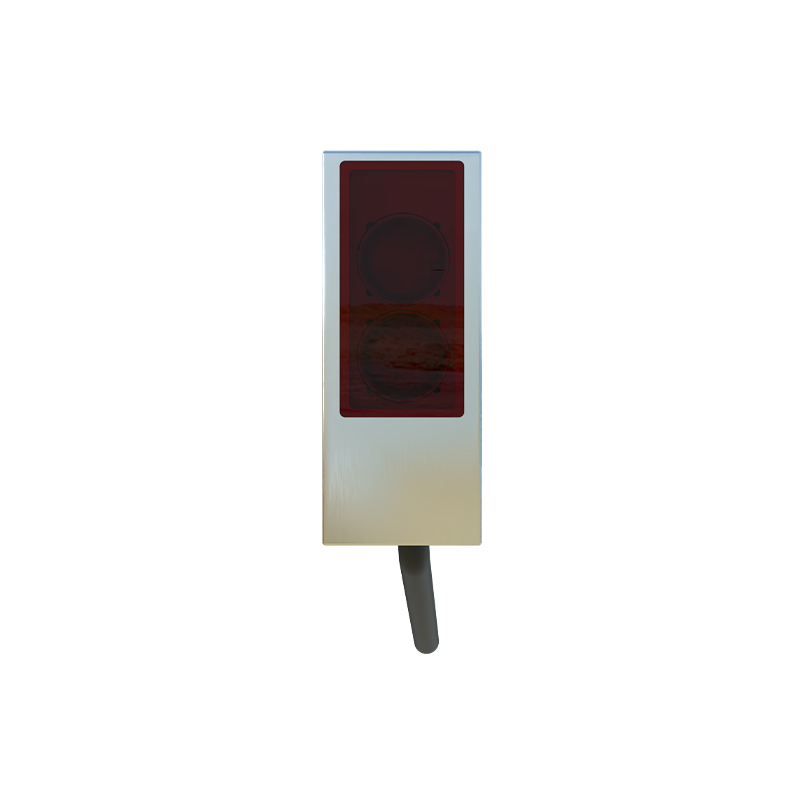
The "220V" denotes the operating voltage, typically 220VAC, which is a standard industrial and commercial power supply in many regions worldwide. The "three-wire" designation is crucial. Unlike two-wire sensors that are wired in series with the load, a three-wire sensor has separate conductors for power supply, ground, and the output signal. This configuration typically includes a Brown wire for Live (L+ or 220VAC), a Blue wire for Neutral (N or 0V), and a Black (or sometimes another color like white or gray) wire for the switching Output. This separation allows for more stable operation, enables both Normally Open (NO) and Normally Closed (NC) output functionalities, and provides a clear, low-noise signal to the programmable logic controller (PLC) or relay. The output is often a solid-state relay or a transistor switch that handles the load on the control circuit.
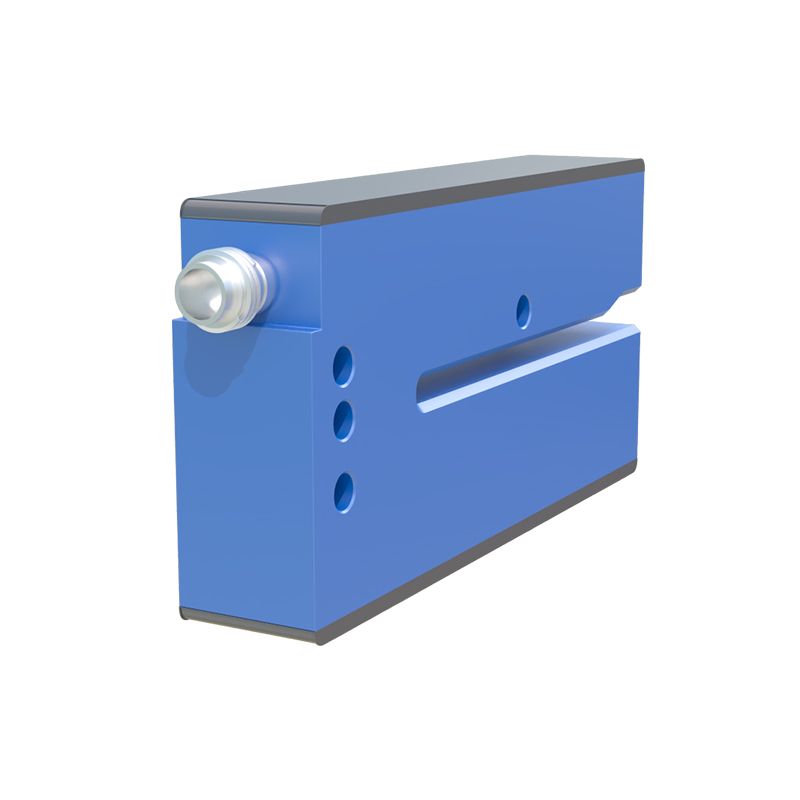
Key Operating Principles and Sensing Modes
A 220V three-wire photoelectric sensor functions by emitting a beam of light—usually visible red, infrared, or laser—from its transmitter. The receiver then detects changes in this light beam. There are three primary sensing modes. Through-beam sensors consist of separate emitter and receiver units; an object is detected when it interrupts the beam between them, offering the longest sensing range and highest reliability. Retro-reflective sensors use a single housing containing both emitter and receiver, detecting an object when it breaks the beam reflected from a dedicated reflector; they provide a good balance of range and ease of installation. Diffuse (proximity) sensors also have a combined emitter and receiver, but they detect an object by receiving the light scattered back from the object itself, making them ideal for detecting non-reflective materials at shorter distances.
Critical Selection Criteria for Engineers
Selecting the appropriate 220V three-wire photoelectric sensor requires careful analysis of the application. Sensing range is the maximum distance at which the sensor can reliably detect a target object; it varies significantly between the three modes. The material, color, surface finish, and size of the target object directly influence the sensor's performance, especially for diffuse models. Environmental conditions are a major factor; one must consider the presence of dust, moisture, oil, ambient light interference, and temperature extremes, which dictate the required Ingress Protection (IP) rating (e.g., IP67 for washdown environments). The output type must match the control system input; a relay output is common for high-current loads, while a solid-state AC output is standard for direct PLC interfacing. Response time, the speed at which the sensor reacts to a detection event, is vital for high-speed production lines.
Installation, Wiring, and Commissioning Best Practices
Proper installation is key to optimal performance. Always disconnect power before wiring. Securely mount the sensor using appropriate brackets, ensuring it is aligned correctly with the target path or reflector. For through-beam and retro-reflective types, precise optical alignment is critical. Follow the manufacturer's wiring diagram meticulously: connect the brown wire to the 220VAC phase (L), the blue wire to the neutral (N), and the black output wire to the load (which then connects to neutral for a standard AC load circuit). The sensor body itself must be properly grounded as per local electrical codes. During commissioning, use the sensor's built-in indicator LED to verify power and output status. Adjust the sensitivity potentiometer, if available, to reliably detect the target while ignoring background interference or slight positional variations.
Common Applications in Industrial Automation
The robustness of the 220V three-wire design makes these sensors ubiquitous across industries. In material handling and packaging, they are used for object detection on conveyors, box counting, and level control in silos. In automotive assembly lines, they verify the presence of components, control robot positioning, and inspect for correct part installation. In the food and beverage industry, sensors with high IP ratings detect bottles on filling lines, monitor cap placement, and control packaging machinery. They are also essential in woodworking for lumber positioning, in printing for paper jam detection, and in warehouse automation for palletizing and sorting systems. Their direct 220VAC operation makes them ideal for retrofitting older machinery.
Troubleshooting and Maintenance Guidelines
Even highly reliable sensors may require troubleshooting. Common issues include failure to detect, intermittent operation, or false triggering. A systematic approach is best. First, verify the power supply is present and within the sensor's specified voltage range. Check all electrical connections for tightness and corrosion. Inspect the sensor lens and reflector (if used) for accumulation of dirt, dust, or debris, and clean them carefully with a soft cloth. Verify the target object is within the specified sensing range and that its properties (color, material) have not changed. Use the sensor's indicator LED to diagnose internal status; a steady power light indicates good voltage, while a blinking or absent output light can signal misalignment or a fault. Regular preventive maintenance, including visual inspections and periodic cleaning schedules, will maximize sensor lifespan and system uptime.
Advantages and Considerations
The primary advantage of the 220V three-wire photoelectric sensor is its direct compatibility with standard industrial power, eliminating the need for a separate DC power supply. The three-wire design provides a dedicated output signal, resulting in lower leakage current and more reliable switching compared to two-wire versions. It allows for both NO and NC logic, offering flexibility in control design. However, considerations include the need for proper grounding for electrical safety, the physical space required for three separate wire terminations, and the inherent complexity of AC circuitry compared to low-voltage DC sensors. For applications requiring very high-speed switching, DC-powered models might still be preferable due to faster response times.