Understanding the Core Principle
In the realm of industrial automation and control systems, the terms "proximity sensor" and "proximity switch" are frequently encountered, often leading to discussions about their classification. A capacitive proximity sensor operates on the principle of capacitance change. It generates an electrostatic field from its sensing face. When a target object enters this field, it alters the dielectric constant or increases the capacitance of the system. The sensor's internal oscillator circuit detects this change. Once the capacitance shift reaches a predetermined threshold, the sensor triggers an output signal. This fundamental working mechanism allows it to detect a wide variety of materials, including metals, plastics, glass, wood, and liquids, distinguishing it from other sensing technologies that may be material-specific.
Defining the Proximity Switch Category
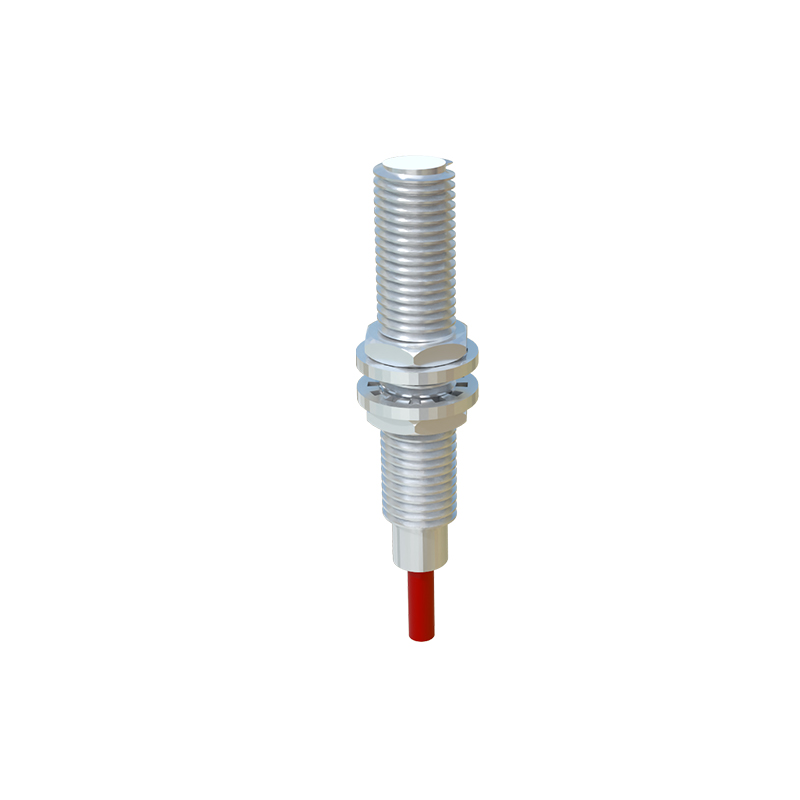
A proximity switch, in a broad technical context, is defined as a non-contact sensor that detects the presence or absence of a target object within a specified sensing range without physical contact. It acts as a switch, providing a discrete on/off output signal, typically in the form of a relay contact closure or a solid-state switching signal (PNP/NPN). The key characteristic is its switching function upon detection. This category traditionally includes several types based on different physical principles, such as inductive proximity switches (for metals), photoelectric switches, and ultrasonic switches. The defining feature is not the underlying technology but the output action—it is a switch activated by proximity.
Capacitive Sensors as Switching Devices
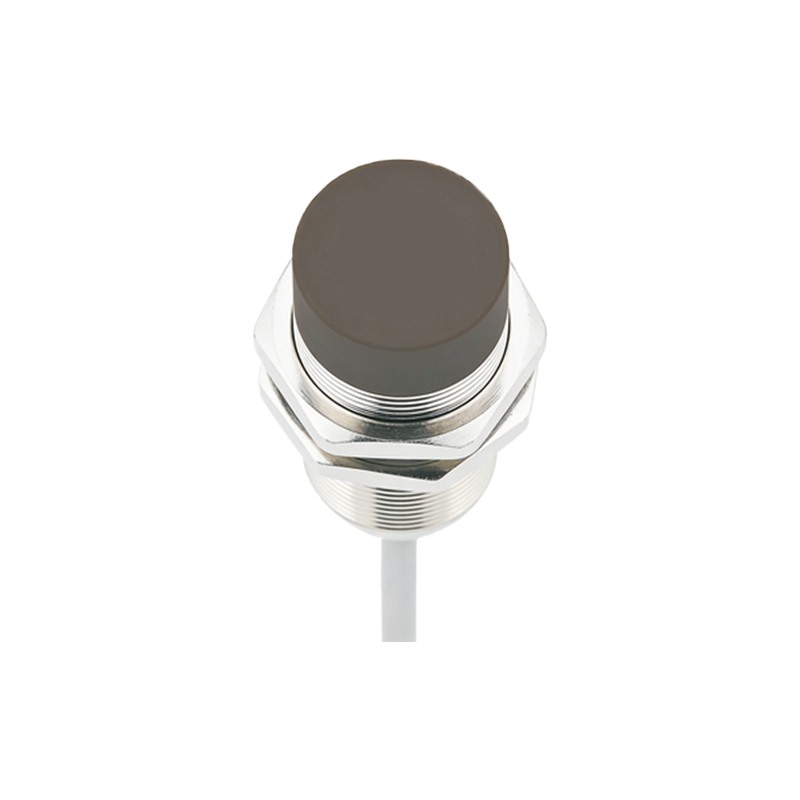
Capacitive proximity sensors fit squarely within the functional definition of a proximity switch. Their primary purpose is to detect an object's presence and, upon that event, change their output state. They are available in standard configurations providing digital switching outputs (e.g., DC 3-wire, NPN or PNP). This output directly interfaces with programmable logic controllers (PLCs), relays, or other control devices to stop a conveyor, count items, control a valve, or indicate a fill level. Therefore, in application and electrical function, a capacitive proximity sensor is a type of proximity switch. It is a sub-category, specifically one that uses changes in capacitance as its detection method.
Key Distinctions and Special Capabilities
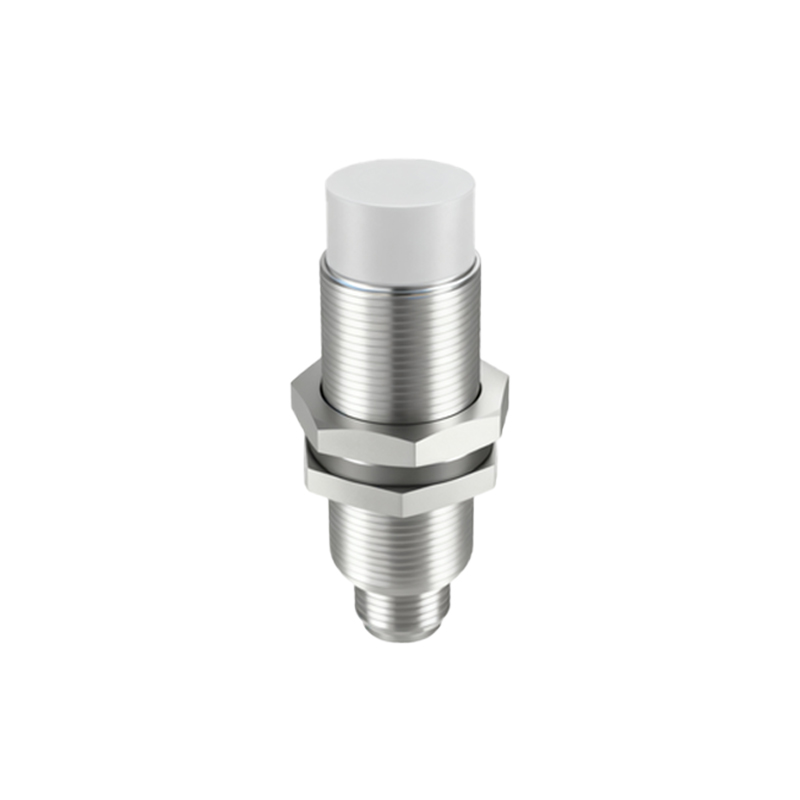
While a capacitive sensor is a proximity switch, it possesses unique attributes that set it apart from the more common inductive proximity switch. Its ability to detect non-metallic objects is its most significant distinction. This makes it indispensable for applications like detecting plastic bottles, monitoring paper or wood levels, or sensing liquid through a non-metallic container wall. Furthermore, its sensitivity is often adjustable, allowing engineers to fine-tune the sensing distance and ignore interfering backgrounds like container walls. This versatility means that while all capacitive proximity sensors are proximity switches, not all proximity switches (like inductive ones) can perform the tasks a capacitive sensor can.
Application Context and Industry Usage
In practical industry terminology and cataloguing, capacitive proximity sensors are universally listed under the family of proximity switches. They are selected when the target material is non-conductive or when detection must occur through a barrier. Common applications include fill level control in tanks, material handling for non-metallic goods, and presence detection of packaged products. The choice between an inductive, capacitive, or photoelectric proximity switch depends entirely on the target material, sensing distance, and environmental conditions. The capacitive variant solves a specific set of problems within the broader proximity switching solution set.
Conclusion: A Resolved Classification
To conclude definitively, yes, a capacitive proximity sensor is unequivocally a type of proximity switch. It adheres to the core definition: a non-contact device that provides a discrete switching output based on the proximity of a target object. Its operational principle based on capacitance does not exclude it from the category; rather, it defines its specific niche within that category. Engineers and technicians correctly refer to them as capacitive proximity switches or capacitive sensors interchangeably. Understanding this classification ensures proper selection and application in designing efficient and reliable automated control systems.