Introduction to LSF Photoelectric Liquid Level Sensors
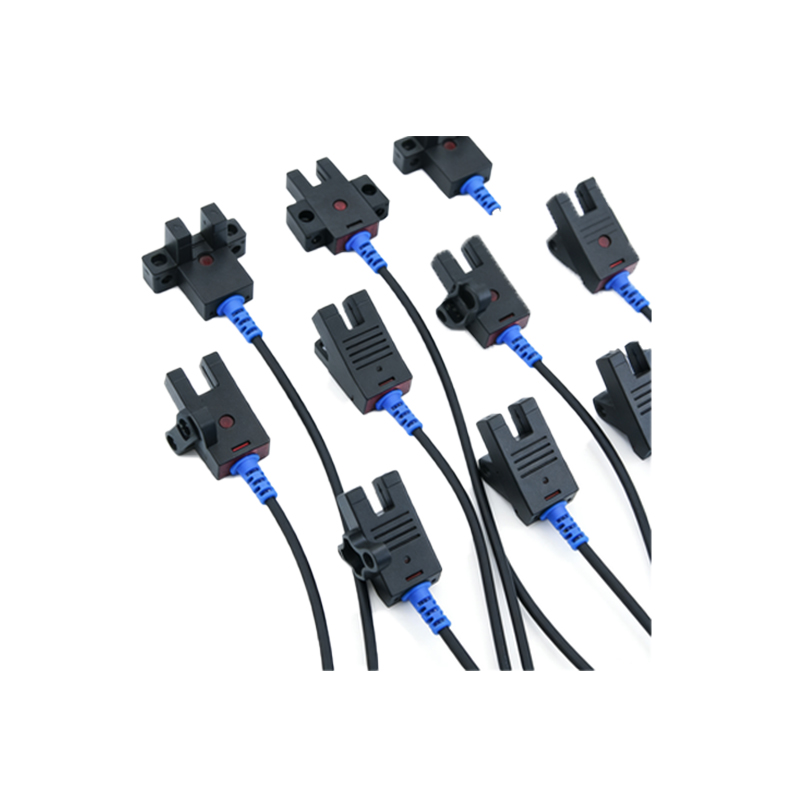
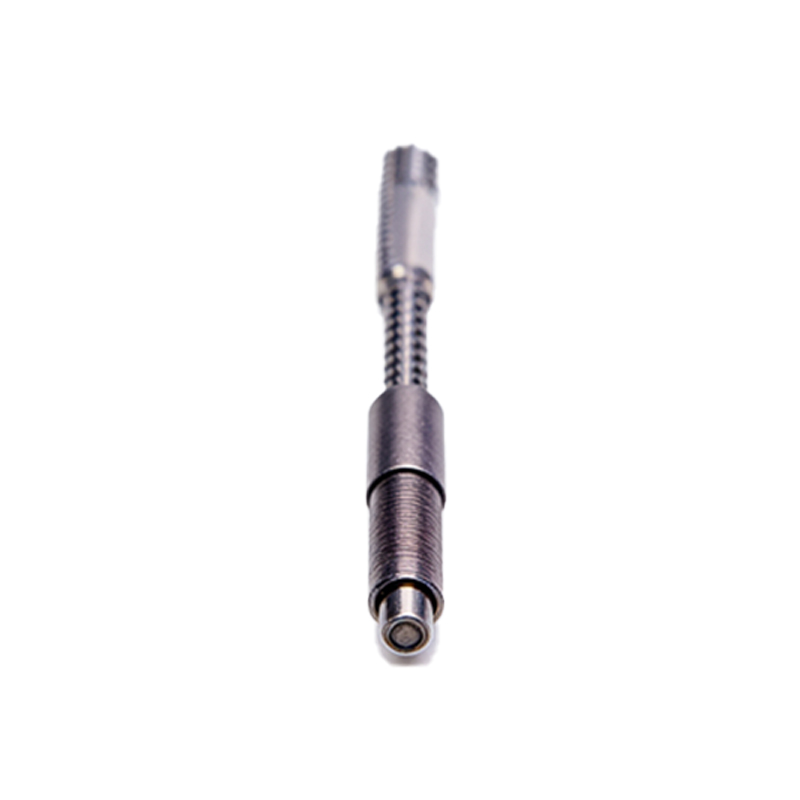
LSF liquid level photoelectric sensors represent a critical technology in modern industrial automation and process control. These sensors operate on the fundamental principle of light refraction and reflection to detect the presence or absence of a liquid at a specific point. Unlike float switches or conductive probes, LSF sensors are non-contact or minimally invasive, offering high reliability and longevity. The core component is an infrared LED and a phototransistor housed within a prismatic tip. When the sensor tip is in air, the internal infrared light reflects within the prism and is detected by the receiver. When the tip is submerged in liquid, the light refracts out into the liquid, causing a significant drop in the light received by the phototransistor. This state change is converted into a clear electrical signal, typically a switch output.
Core Operating Principles and Internal Design
The operational efficacy of an LSF sensor hinges on its precise optical design. The sensor's sensing tip is crafted from materials like polysulfone or stainless steel, chosen for chemical compatibility and optimal refractive index. The infrared light source emits a beam into the prism. The critical angle of total internal reflection is designed based on the refractive index difference between the prism material and the target medium (air vs. liquid). This design ensures a stark contrast in signal. Advanced versions incorporate signal conditioning circuits directly within the sensor housing, providing noise immunity and stable output for direct interface with PLCs, relays, or microcontrollers. The output is often a simple PNP, NPN, or relay contact, making integration straightforward across various control systems.
Key Advantages Over Alternative Technologies
LSF photoelectric sensors offer several distinct benefits that make them preferable for numerous applications. Firstly, they are immune to factors that plague other sensor types, such as the density, conductivity, or dielectric constant of the liquid. They can reliably detect clear, opaque, bubbly, or viscous fluids. There are no moving mechanical parts like in float switches, eliminating wear and tear and preventing issues with sticking or fouling. This leads to exceptionally long service life and minimal maintenance. Their point-level detection is highly accurate and repeatable. Furthermore, they are generally unaffected by buildup on the exterior of the prism, as the sensing occurs internally, ensuring consistent performance even in challenging environments.
Primary Industrial Applications and Use Cases
The application range for LSF sensors is vast across multiple industries. In the automotive sector, they monitor coolant, brake fluid, and washer fluid levels. In pharmaceutical and food & beverage processing, they ensure precise liquid levels in mixing tanks, reactors, and bottling lines, complying with strict hygiene standards due to their cleanability. They are indispensable in water treatment plants for controlling pump operations based on sump or tank levels. Home appliances like coffee makers, water dispensers, and humidifiers extensively use miniaturized LSF sensors for leak detection and low-fluid alerts. Industrial machinery utilizes them for continuous lubrication system monitoring and hydraulic reservoir management, preventing costly equipment damage.
Critical Selection Criteria for Engineers
Selecting the correct LSF sensor requires careful consideration of several parameters. The chemical compatibility of the sensor's wetted materials (typically the tip and O-ring seals) with the process liquid is paramount to prevent corrosion or degradation. Temperature and pressure ranges of both the liquid and the environment must be within the sensor's specifications. The required output type (digital switch, analog, etc.) and electrical configuration (voltage, PNP/NPN) must match the control system. For food-grade or sterile applications, sensors with appropriate certifications (e.g., FDA-compliant materials, IP68/IP69K ratings) are necessary. Response time is another factor, especially for high-speed filling operations or rapidly changing levels.
Installation Best Practices and Maintenance
Proper installation is crucial for optimal performance. The sensor should be mounted at the precise level where detection is required, ensuring the sensing tip is fully exposed to the liquid without touching container walls or obstructions that could cause false readings. For threaded sensors, using a suitable sealant on the threads prevents leaks. Electrical connections must be secure and protected from moisture, with cables routed away from sources of electrical noise. While LSF sensors are largely maintenance-free, periodic visual inspection for physical damage or heavy coating on the tip is recommended. In cases where mineral deposits or sticky fluids might coat the tip, a routine cleaning schedule with a compatible solvent can maintain sensitivity.
Troubleshooting Common Issues
Even robust sensors can encounter issues. The most common problem is a sensor failing to change state. This can be due to incorrect mounting height, a coating on the sensing tip that alters its optical properties, or a malfunction in the liquid's expected refractive index (e.g., a different fluid). Electrical issues like incorrect wiring, insufficient power supply, or a damaged cable are also frequent culprits. Using a manufacturer's diagnostic guide to check the output signal with the tip in air versus liquid is the first step. Ensuring the liquid indeed covers the tip during the "full" condition and that air bubbles are not persistently clinging to the prism surface will resolve many operational hiccups.
Future Trends and Technological Developments
The future of LSF and photoelectric level sensing is geared towards smarter, more integrated solutions. We are seeing the integration of IO-Link communication, which allows for digital parameter setting, advanced diagnostics, and process data reporting directly from the sensor. Miniaturization continues, enabling their use in compact consumer electronics and medical devices. Enhanced materials science is yielding prisms and housings capable of withstanding more aggressive chemicals and higher temperatures. Furthermore, the combination of point-level photoelectric sensors with other sensing technologies, like continuous ultrasonic or radar sensors, in multi-sensor arrays is providing more comprehensive tank gauging and inventory management solutions for complex industrial systems.