Introduction to the EH-605 Series
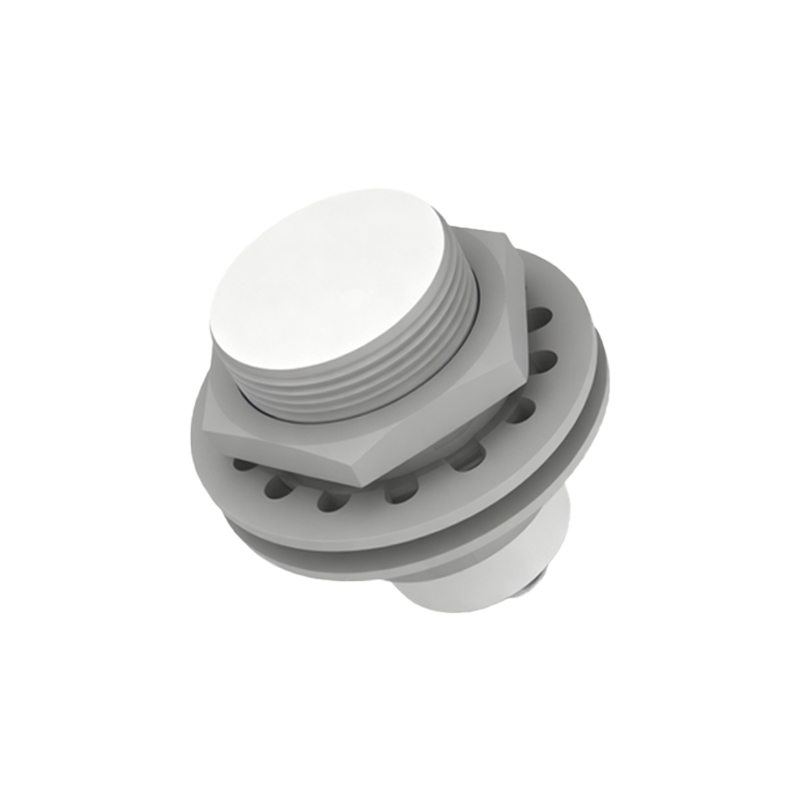
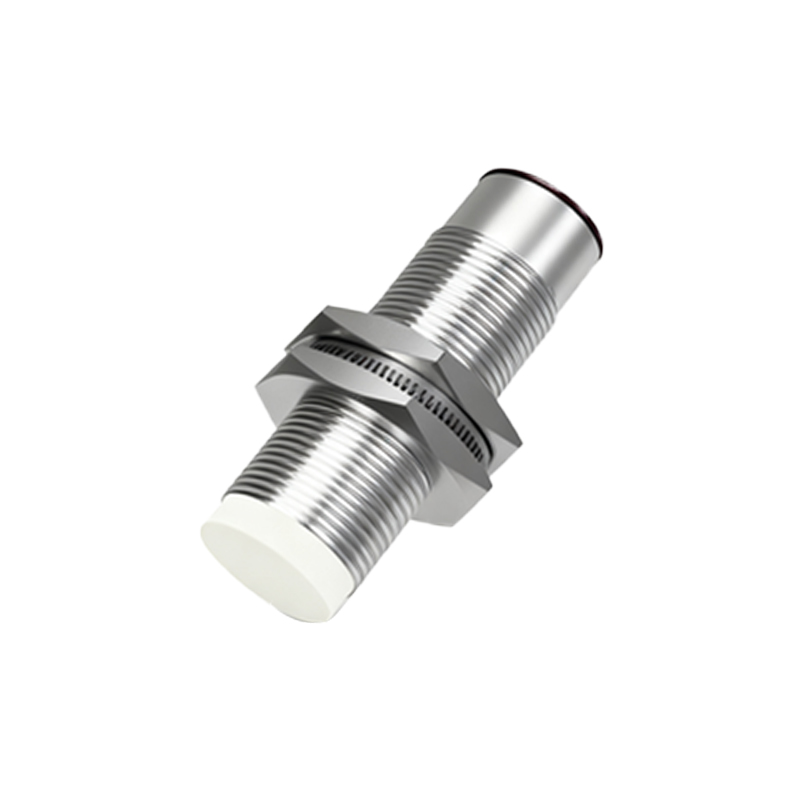
The EH-605 series represents a robust line of inductive proximity sensors engineered for demanding industrial environments. These sensors are designed to detect the presence or absence of metallic objects without physical contact, offering a reliable and maintenance-free solution for automation and control systems. Built with a durable housing, typically from nickel-plated brass or stainless steel, the EH-605 is resistant to shock, vibration, and harsh conditions commonly found in manufacturing plants, packaging lines, and material handling systems. Its core principle of operation relies on generating an electromagnetic field; when a metallic target enters this field, it causes a change in oscillation amplitude, which is then processed by the internal circuitry to trigger a solid-state output signal.
Key Technical Specifications and Performance
Understanding the technical parameters of the EH-605 is crucial for proper integration. This sensor typically operates on a wide range DC voltage, such as 10-30V DC, ensuring compatibility with standard industrial power supplies. The sensing distance, a critical specification, is precisely defined; for a standard M18 threaded barrel model, the nominal sensing range is 5mm, with factors like target material (steel, aluminum, brass) and size influencing the exact operational distance. The EH-605 features a normally open (NO) or normally closed (NC) PNP or NPN output configuration, allowing seamless interface with programmable logic controllers (PLCs) and other control devices. Its switching frequency is sufficiently high for high-speed counting or positioning applications, while its protection rating, often IP67, guarantees reliable operation against dust ingress and temporary immersion in water.
Installation and Wiring Considerations
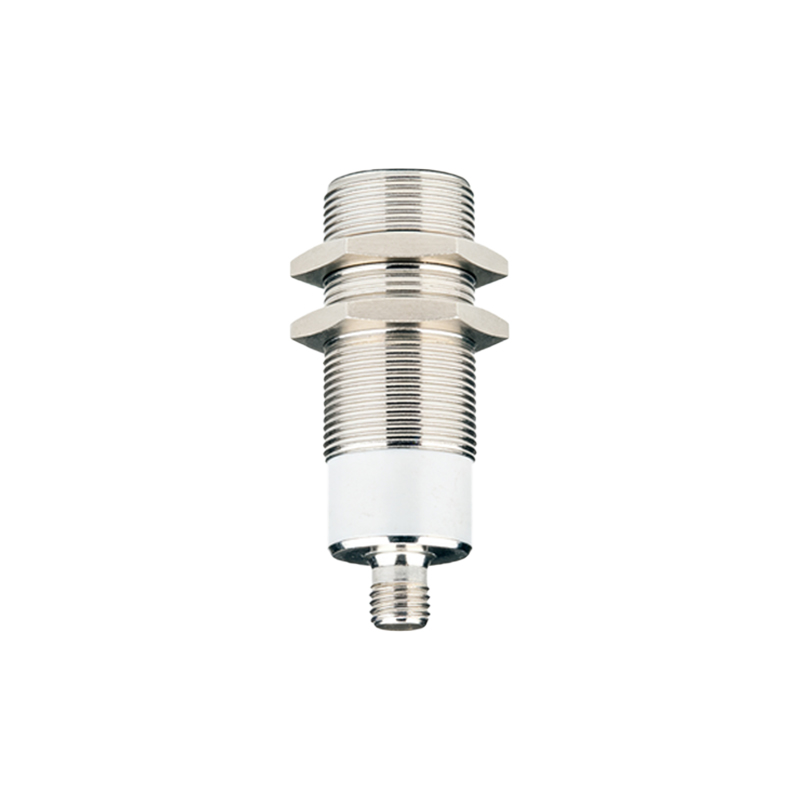
Correct installation is paramount for optimal performance. The EH-605 is typically mounted via its threaded barrel, requiring a precise mounting hole and proper torque to avoid damage. It is essential to maintain the recommended lateral and axial clearance from surrounding metal objects to prevent false triggering or a reduction in effective sensing range. The wiring process is straightforward, usually involving a three-wire or four-wire configuration (brown for +V, blue for 0V, black for output signal, and sometimes white for a complementary output). Shielding the cable or using twisted-pair wires is advised in environments with significant electromagnetic interference (EMI) to ensure signal integrity. Always refer to the manufacturer's datasheet for specific wiring diagrams and voltage requirements.
Application Scenarios in Modern Industry
The versatility of the EH-605 proximity sensor makes it a staple across numerous sectors. In automotive assembly, it is used for part presence verification, such as detecting engine blocks on a conveyor or confirming the position of robotic arms. Within packaging machinery, it serves to count products, detect fill levels, or control the positioning of labels. In metalworking and CNC machining centers, the EH-605 provides precise end-of-travel detection for tool changers or workpiece positioning. Its robustness also makes it suitable for harsh environments like wood processing or agricultural equipment, where it can monitor the position of chains, blades, or harvested material without succumbing to dust, moisture, or mechanical stress.
Advantages Over Alternative Sensing Technologies
Compared to mechanical limit switches or photoelectric sensors, the EH-605 offers distinct benefits. Its non-contact nature eliminates mechanical wear, leading to a dramatically longer operational lifespan and reduced downtime for maintenance. It is immune to problems caused by dirt, oil, and ambient light, which often plague optical sensors. While capacitive sensors can detect non-metals, the inductive EH-605 provides superior stability and precision for metal detection, with minimal influence from environmental factors like temperature fluctuations within its specified range. The solid-state output ensures fast, bounce-free switching, which is critical for high-speed control loops and accurate counting applications.
Troubleshooting and Maintenance Guidelines
Despite their durability, proper troubleshooting ensures continued reliability. Common issues include failure to detect a target, which may stem from an incorrect power supply, an unsuitable target material (e.g., non-ferrous metal at reduced range), or physical misalignment. Continuous output activation can indicate sensor damage or metallic debris lodged in the sensing face. Regular maintenance primarily involves keeping the active sensing surface clean from buildup of metal chips, grease, or other contaminants that could attenuate the electromagnetic field. Using a multimeter to check output voltage under switching conditions is a standard diagnostic step. Implementing preventive measures, such as proper mounting and environmental protection, significantly reduces the need for reactive repairs.
Conclusion and Selection Criteria
The EH-605 proximity sensor stands as a proven, reliable component in industrial automation. When selecting a sensor for a specific application, engineers must evaluate the target material, required sensing distance, environmental conditions (temperature, chemicals,