Introduction to Photoelectric Sensors
Photoelectric sensors are versatile devices widely used in industrial automation for detecting the presence, absence, or distance of objects without physical contact. These sensors operate by emitting a light beam—typically infrared, visible, or laser—and measuring changes in the received light due to reflection, interruption, or absorption. Their non-contact nature makes them ideal for applications where durability, speed, and precision are critical. Common types include through-beam, retro-reflective, and diffuse reflective sensors, each suited to specific environmental and operational needs. Industries such as manufacturing, packaging, and automotive rely on photoelectric sensors to enhance efficiency, safety, and quality control in automated processes.
Key Operating Principles and Types
The functionality of photoelectric sensors hinges on light-based detection. Through-beam sensors consist of separate emitter and receiver units; an object is detected when it interrupts the light beam between them, offering long-range and high-accuracy sensing. Retro-reflective sensors use a single unit with a reflector, detecting objects when the reflected light is blocked, suitable for moderate distances. Diffuse reflective sensors rely on light bouncing off the target itself, making them compact and easy to install for close-range applications. Advanced variants incorporate background suppression or color recognition, allowing detection based on contrast or specific hues. Understanding these principles helps in selecting the right sensor for tasks like counting, positioning, or inspection in dynamic industrial settings.
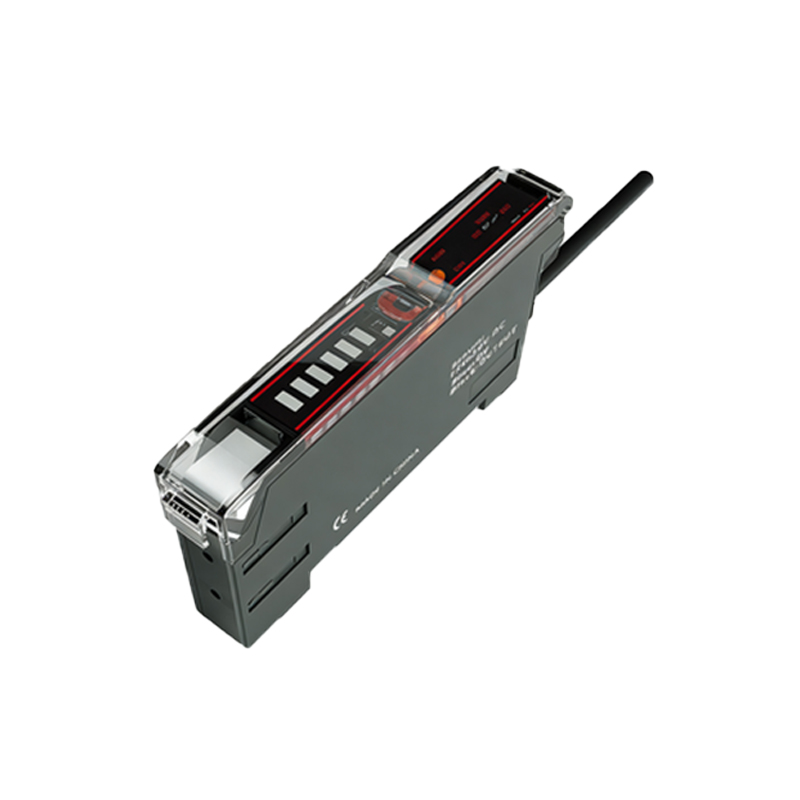
Applications in Manufacturing and Assembly Lines
In manufacturing, photoelectric sensors play a pivotal role in streamlining assembly lines. They are employed for part detection, ensuring components are correctly positioned before machining or welding. For instance, in automotive assembly, sensors verify the presence of engine parts or body panels, triggering robotic arms to proceed with operations. They also monitor conveyor belt speeds, detect jams, and count products as they move along production stages. By providing real-time feedback, these sensors minimize downtime, reduce errors, and support just-in-time manufacturing processes. Their robustness against dust, vibration, and temperature variations makes them reliable in harsh factory environments.
Packaging and Material Handling Solutions
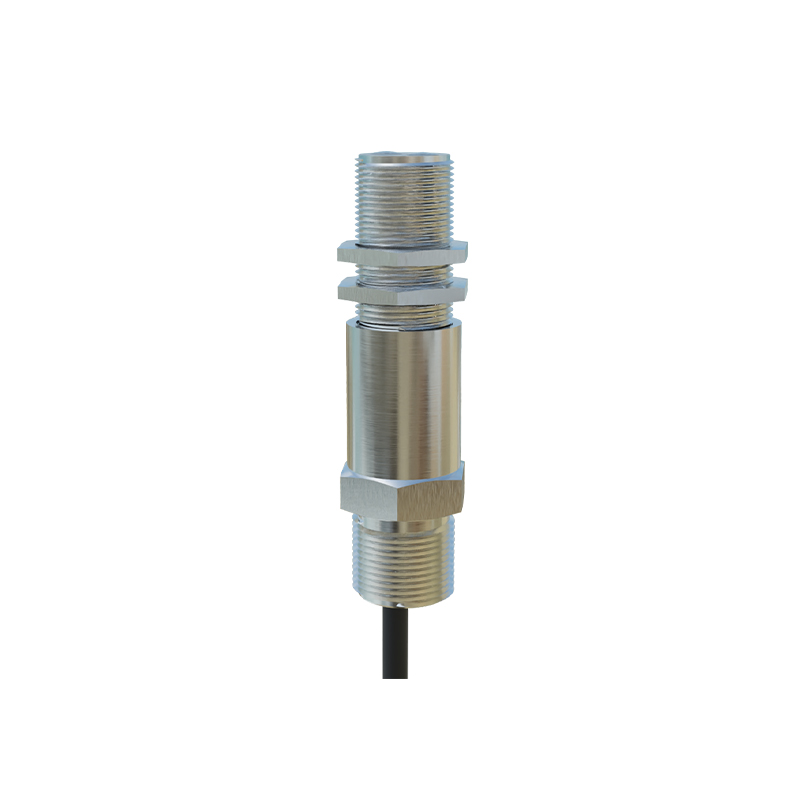
The packaging industry leverages photoelectric sensors for precise control in filling, labeling, and sealing operations. Sensors detect containers on filling lines, ensuring accurate liquid or powder levels before capping. In material handling, they identify package sizes and orientations on sorting conveyors, enabling automated routing to appropriate bins or shipping areas. Transparent object detection—such as glass bottles or plastic wraps—is achieved using polarized or high-resolution sensors that distinguish subtle light changes. This enhances throughput and reduces waste, contributing to cost-effective and sustainable packaging workflows.
Quality Control and Inspection Systems
Photoelectric sensors are integral to quality assurance by inspecting product integrity and consistency. They can detect defects like cracks, misprints, or missing labels by analyzing light reflection patterns. In electronics manufacturing, sensors verify component placement on circuit boards, flagging anomalies for rework. Color sensors differentiate between product variants or check branding colors, ensuring compliance with specifications. By integrating with PLCs (Programmable Logic Controllers) and vision systems, these sensors enable automated rejection of faulty items, maintaining high standards and reducing manual inspection labor.
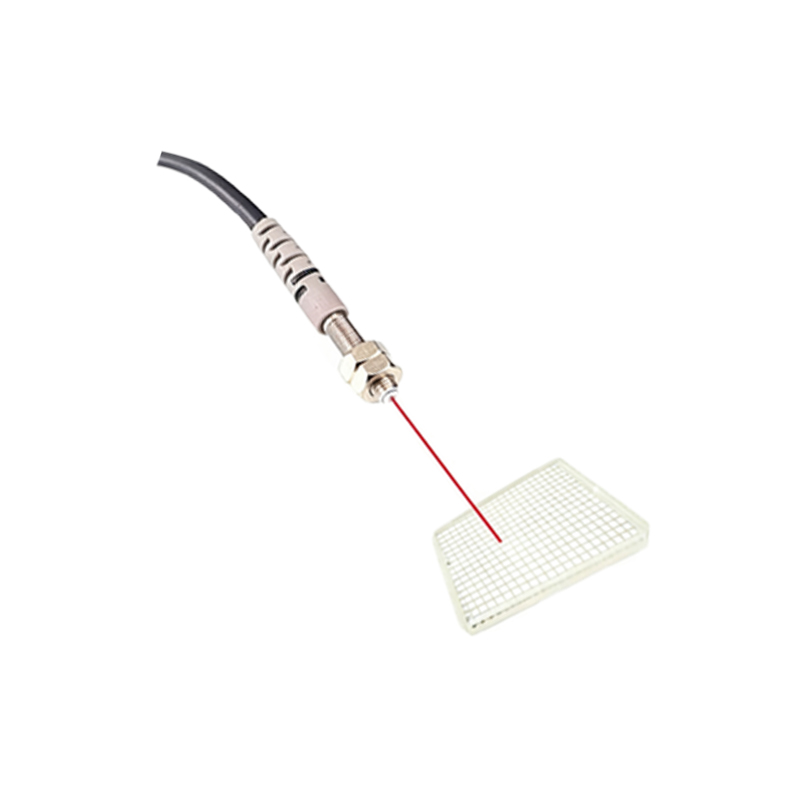
Safety and Access Control Implementations
Beyond production, photoelectric sensors enhance safety in industrial facilities. Safety light curtains use arrays of infrared beams to create invisible barriers around hazardous machinery; if a beam is broken by a person or object, the equipment halts immediately to prevent accidents. In access control, sensors monitor door positions or detect personnel in restricted zones, integrating with alarm systems for security. Their fast response times and reliability are crucial for protecting workers and assets, aligning with occupational health regulations and risk management protocols.
Advantages Over Other Sensor Technologies
Compared to mechanical or capacitive sensors, photoelectric sensors offer distinct benefits. Their non-contact operation eliminates wear and tear, extending lifespan and reducing maintenance. They provide high-speed detection, capable of sensing objects moving at several meters per second, which is essential for high-volume industries. With adjustable sensitivity and ranges up to tens of meters, they adapt to diverse applications. Additionally, their immunity to electrical noise and ability to detect various materials—from metals to plastics—make them versatile. However, challenges like ambient light interference or dirty lenses can be mitigated with proper housing and filtering.
Future Trends and Innovations
The evolution of photoelectric sensors is driven by Industry 4.0 and IoT (Internet of Things) integration. Smart sensors with embedded diagnostics and Ethernet connectivity allow remote monitoring and predictive maintenance, reducing unplanned outages. Miniaturization enables installation in tight spaces, while enhanced algorithms improve accuracy in complex environments. Emerging applications include collaborative robotics, where sensors ensure safe human-robot interaction, and sustainable energy systems, such as detecting solar panel alignment. As automation advances, photoelectric sensors will continue to be a cornerstone of efficient and intelligent industrial operations.