Introduction to NPN Metal Sensing Proximity Switches
NPN metal sensing proximity switches are fundamental components in modern industrial automation and control systems. These non-contact sensors detect the presence of metallic objects without any physical interaction, offering high reliability and longevity. The "NPN" designation refers to the type of transistor output used in the sensor's switching circuit. In an NPN configuration, the sensor acts as a sinking device, meaning it connects the load to ground when activated. This is a critical distinction from PNP sensors and dictates the wiring and integration with programmable logic controllers (PLCs) and other control units. The core sensing technology typically involves an oscillator circuit that generates an electromagnetic field. When a metallic object enters this field, it induces eddy currents, causing a change in the oscillator's amplitude. This change is detected and processed to trigger the NPN transistor output, signaling the presence of the target.
Operating Principle and Core Technology
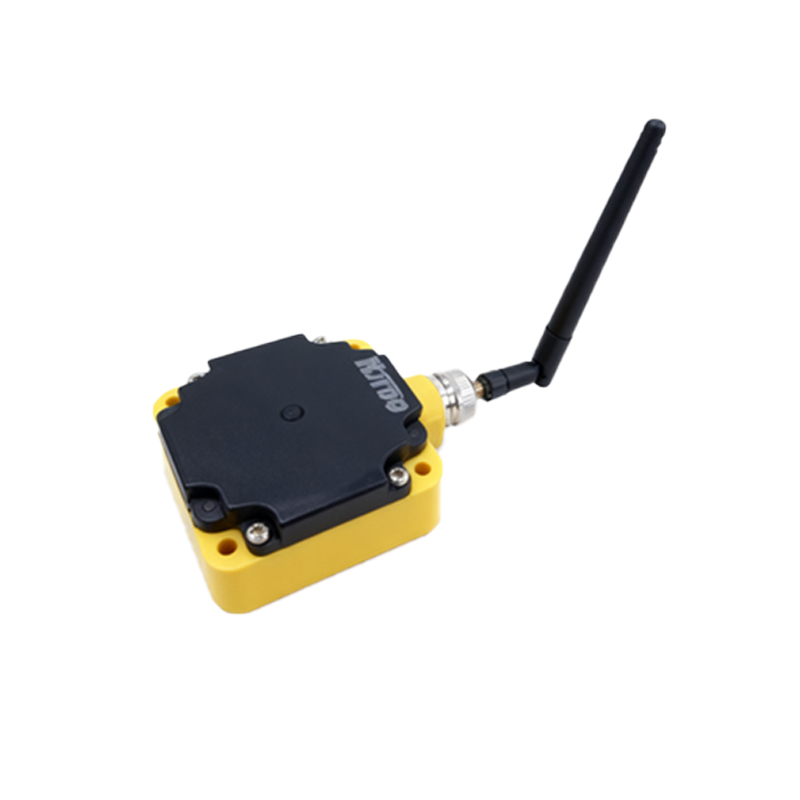
The operation of an NPN inductive proximity sensor hinges on electromagnetic induction. Inside the sensor housing, a coil is part of an LC oscillator circuit that generates a high-frequency alternating magnetic field at the active face. This field extends a short distance into the surrounding environment, known as the nominal sensing range (Sn). When a ferrous or non-ferrous metal object enters this field, eddy currents are induced on the surface of the metal. These currents absorb energy from the oscillator, leading to a dampening or reduction in the oscillation amplitude. A dedicated evaluation circuit continuously monitors this amplitude. Once the damping exceeds a predefined threshold—indicating the object is within the specified sensing range—the circuit switches the state of the NPN output transistor. The sensor typically provides a digital ON/OFF signal, making it ideal for counting, positioning, and limit-switching applications.
Key Electrical Characteristics and Wiring
Understanding the electrical specifications is paramount for correct application. An NPN proximity sensor has three wires: brown (typically for positive supply voltage, +V), blue (for 0V or ground), and black (the switched output signal). In the resting state (no target detected), the black output wire is at a high impedance. Upon detection, the NPN transistor saturates, effectively connecting the black wire to the blue wire (ground). This means the load (e.g., a PLC input module) must be connected between the +V supply and the black wire. The load receives current when the sensor activates, hence the term "current sinking" or "NPN sinking" output. Common supply voltages range from 10-30V DC. Engineers must carefully consider the sensor's output current rating to ensure it can drive the connected load without damage.
Advantages in Industrial Applications
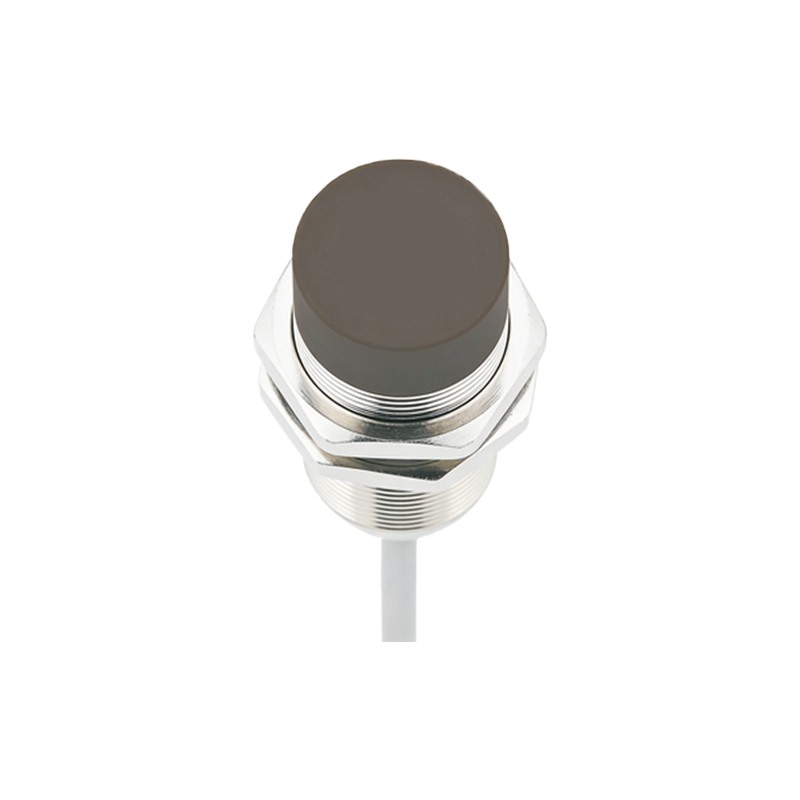
NPN metal sensors offer several compelling advantages that justify their widespread use. Their non-contact nature eliminates mechanical wear, ensuring a long operational life even in high-cycle applications. They are highly resistant to environmental contaminants like dust, oil, and coolant, especially when housed in robust, sealed metal or plastic bodies (e.g., IP67 rated). The switching speed is exceptionally fast, often in the kilohertz range, suitable for high-speed production lines. Furthermore, they are immune to surface conditions of the target object, detecting shiny, rusty, or painted metals reliably. From a system design perspective, NPN outputs are often preferred in regions like Asia and are compatible with many PLC input cards designed for sinking logic. Their simple digital interface simplifies integration and troubleshooting.
Selection Criteria and Installation Best Practices
Selecting the right NPN proximity switch requires analyzing several parameters. The sensing distance, or Sn, must be chosen with a safety margin (typically 70-80% of nominal) to account for mechanical tolerances and temperature drift. The housing style (tubular, rectangular, ring-shaped) must fit the mechanical constraints. The sensing face material (e.g., brass, stainless steel, PBT plastic) should be selected based on the environment—stainless steel for washdown or corrosive areas. Installation is critical: sensors must be mounted securely to prevent vibration-induced errors. Engineers must ensure that surrounding metal (the mounting bracket or machine frame) does not interfere with the sensing field; this often requires maintaining a minimum non-metallic lateral clearance. Proper shielding and cable routing away from power lines are essential to prevent electromagnetic interference.
Common Challenges and Troubleshooting Tips
Despite their robustness, NPN proximity switches can encounter issues. A frequent problem is incorrect wiring, leading to the load not activating. Verifying the NPN sinking configuration against the PLC's sinking/sourcing input requirement is the first step. Electrical noise can cause erratic switching; using shielded cables and grounding the shield at the controller end can mitigate this