Introduction to Photoelectric Sensor Economics
The question of whether photoelectric sensors are low-cost is fundamental for engineers and procurement specialists across automation, manufacturing, and material handling sectors. While the initial purchase price of a basic photoelectric sensor can be surprisingly low, a true assessment of cost-effectiveness requires a holistic view. This analysis moves beyond simple unit price to examine total cost of ownership, performance trade-offs, and long-term value in industrial applications. The market offers a vast range, from simple diffuse sensors to advanced background suppression and fiber optic models, each with distinct price points and capabilities.
Initial Purchase Price Versus Total Cost of Ownership
The upfront cost of a standard through-beam or retro-reflective photoelectric sensor is often very competitive, especially when sourced in volume from major manufacturers. Prices can range from under twenty dollars for basic models to several hundred for specialized variants. However, focusing solely on this initial investment is a critical mistake. The total cost of ownership (TCO) includes installation labor, wiring, mounting hardware, maintenance downtime, and energy consumption. A slightly more expensive sensor with robust housing, superior environmental sealing (IP67/IP69K), and reliable diagnostics can prevent costly line stoppages, dramatically reducing TCO over its operational lifespan. Reliability is a key cost driver often overlooked in initial budgeting.
Factors Influencing Photoelectric Sensor Pricing
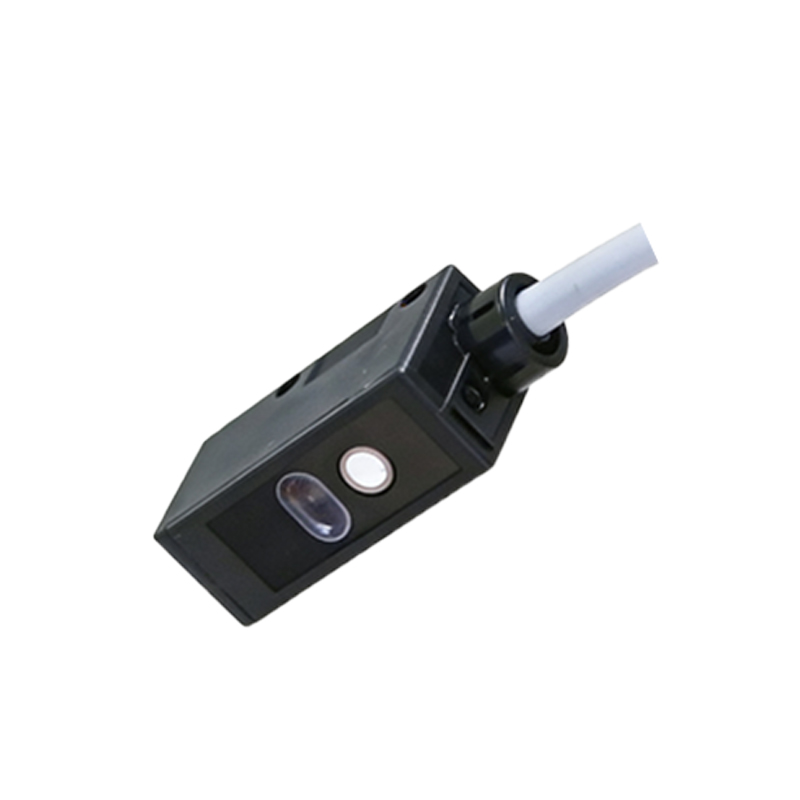
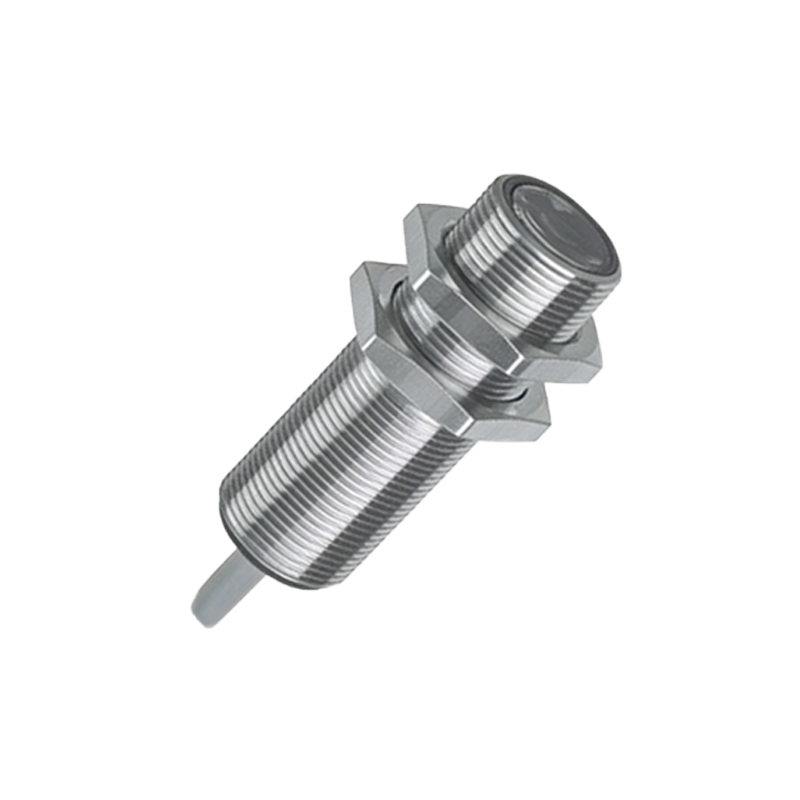
Several technical and commercial factors directly impact sensor pricing. Sensing range and mode are primary determinants; long-range sensors or those with precise background suppression logic are more complex and costly. The housing material, such as stainless steel versus plastic, affects both price and suitability for harsh environments. Integrated functionalities like IO-Link communication, programmable logic, and teach-in capabilities add value and cost. Brand reputation and supply chain support also play a role; established brands may command a premium but offer guaranteed performance, global availability, and technical support, reducing project risk. Finally, order volume and packaging (e.g., bulk vs. individually boxed) significantly influence the final unit price.
Cost Comparison with Alternative Sensing Technologies
To gauge true cost-effectiveness, a comparison with proximity sensors (inductive/capacitive) and vision systems is essential. For simple object detection, photoelectric sensors generally offer longer ranges and can detect non-metallic objects, unlike inductive sensors. They are typically more cost-effective than capacitive sensors for most standard applications. When compared to industrial vision systems, photoelectric sensors are vastly cheaper and simpler for basic presence/absence tasks. However, for complex inspection, measurement, or identification, a vision system, though far more expensive, provides necessary functionality. The key is selecting the right technology for the task to avoid over-engineering or under-performing solutions.
The Role of Modern Features in Long-Term Value
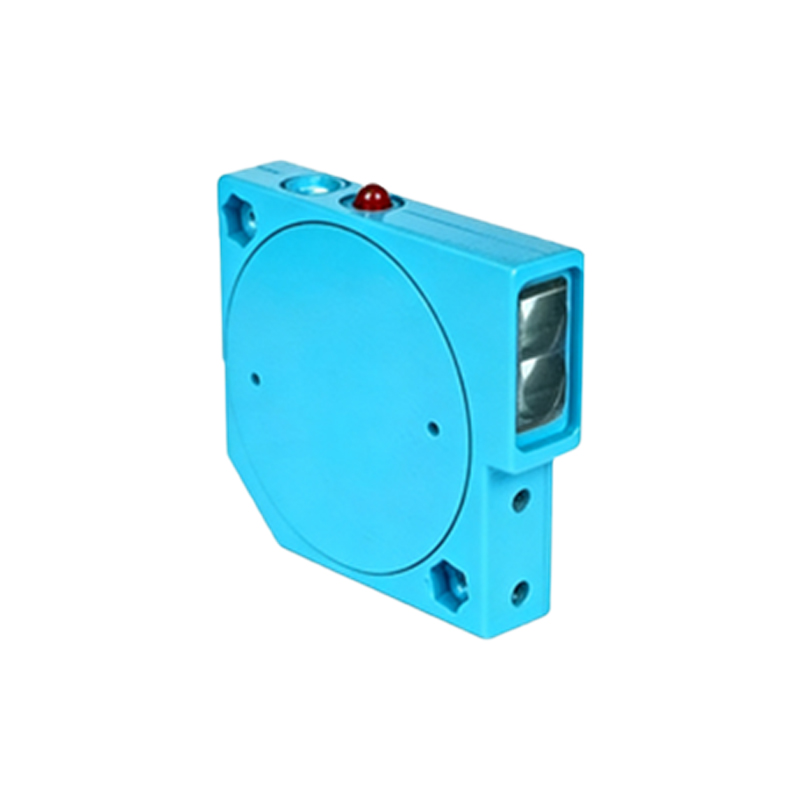
Modern photoelectric sensors incorporate features that enhance long-term value, justifying a higher initial cost. Sensors with powerful LED status indicators and built-in diagnostics (like overload and short-circuit protection) simplify troubleshooting, reducing mean time to repair (MTTR). Models with IO-Link connectivity enable remote parameter setting, condition monitoring, and seamless integration into Industry 4.0 data architectures, providing predictive maintenance insights. This digital capability can prevent unplanned downtime, which is often orders of magnitude more expensive than the sensor itself. Investing in these smart features translates to lower operational costs and higher system availability.
Industry Applications and Cost-Benefit Scenarios
In packaging lines, low-cost diffuse sensors reliably detect cardboard boxes on conveyors, where their speed and non-contact nature prevent damage and wear. In automotive assembly, more rugged and precise sensors ensure part positioning, where a failure could halt an entire production cell, making sensor reliability paramount over minimal cost. In food and beverage processing, sensors with hygienic designs and high-pressure washdown ratings carry a premium but are essential for compliance and longevity, avoiding frequent replacements. Each application presents a unique cost-benefit calculation where sensor performance directly impacts overall line efficiency and product quality.
Conclusion: A Strategic Investment Perspective
Labeling photoelectric sensors as universally "low cost" is an oversimplification. They represent a highly cost-effective sensing solution when selected strategically. For standard detection tasks, they offer an excellent balance of performance and price. The most economical choice is rarely the absolute cheapest unit but rather the sensor that delivers unwavering reliability, minimizes downtime, and integrates smoothly into the broader control system. Engineers should prioritize specifications, environmental suitability, and lifecycle support over sticker price alone. In the context of modern automated systems, a well-chosen photoelectric sensor is not an expense but a high-return investment in operational stability and efficiency.