Introduction to Proximity Sensor Fundamentals
Proximity sensors are essential components in industrial automation, designed to detect the presence or absence of an object without physical contact. Among various types, the DC 3-wire normally open (NO) configuration is widely utilized for its reliability and straightforward integration into control systems. These sensors operate on direct current (DC) power, typically ranging from 10 to 30 volts, and feature three wires: one for power supply (brown or red), one for ground (blue or black), and one for the output signal (black or white). The "normally open" designation indicates that the output circuit remains open (non-conductive) when no target is detected, closing only upon sensing an object within its specified range. This design minimizes energy consumption and reduces electrical noise, making it suitable for high-speed applications in manufacturing, packaging, and robotics. Understanding the basic principles helps in selecting the right sensor for precise detection tasks, ensuring optimal performance in diverse operational environments.
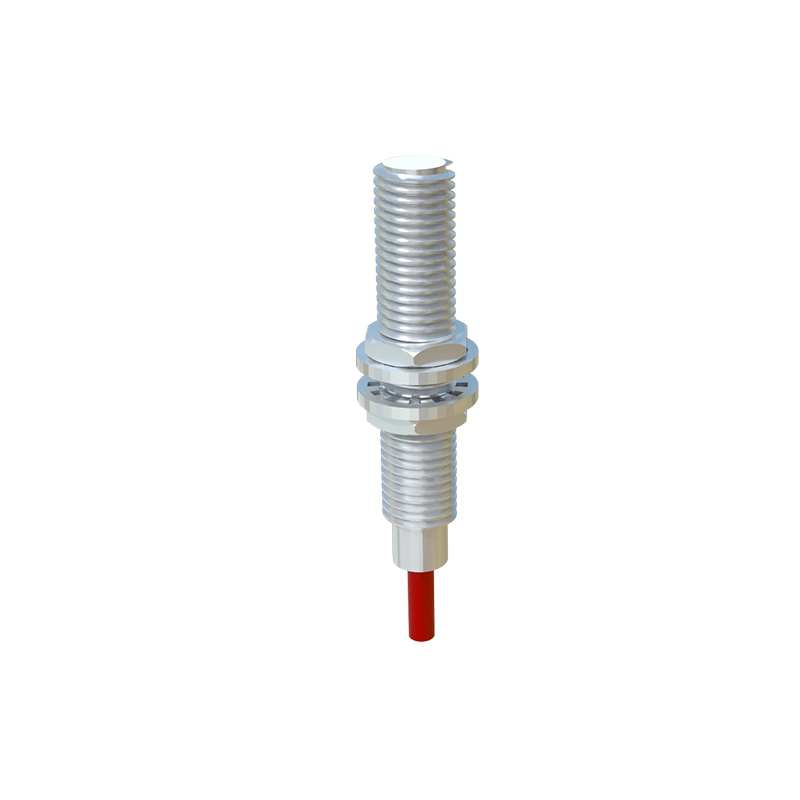
Working Principle of DC 3-Wire NO Sensors
The operation of a DC 3-wire normally open proximity sensor relies on electromagnetic or capacitive sensing technology, with inductive types being most common for metal detection. Inside the sensor, an oscillator generates a high-frequency electromagnetic field. When a metallic target enters this field, eddy currents are induced, causing a change in the oscillation amplitude. This change is detected by a threshold circuit, which triggers the output switch to close, allowing current to flow through the output wire. In the NO configuration, the output remains disconnected from the ground until activation, providing a "high" signal when idle. The three-wire setup simplifies wiring by separating power and output lines, reducing interference and enabling direct connection to programmable logic controllers (PLCs) or relays. Key parameters include sensing distance, response time, and repeatability, which are critical for applications requiring fast and accurate object detection, such as conveyor systems or machine safety interlocks.
Wiring and Installation Guidelines
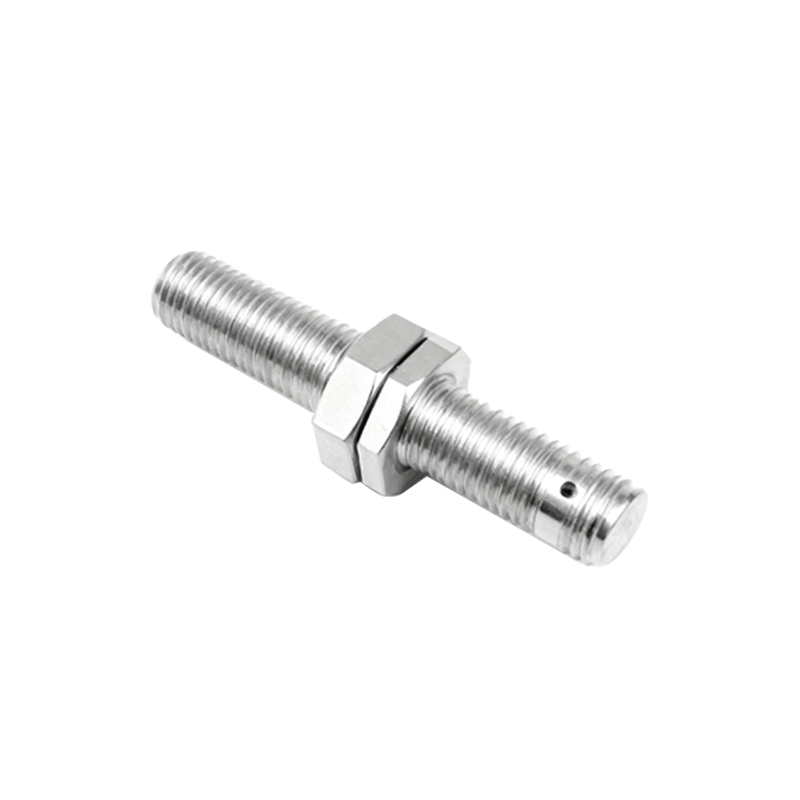
Proper wiring is crucial for the safe and efficient operation of DC 3-wire normally open proximity sensors. The standard wire color coding follows international conventions: brown for positive DC supply (+V), blue for negative or ground (0V), and black for the output signal. To install, first ensure the power is disconnected to prevent short circuits. Connect the brown wire to the positive terminal of the DC power source and the blue wire to the negative terminal. The black output wire should be linked to the input of a load device, such as a PLC input module or a relay coil, with the load's other side connected to the positive supply. It's important to verify the sensor's voltage rating matches the power source to avoid damage. Additionally, maintain the recommended sensing distance and avoid mounting near metal surfaces that could cause false triggers. Shielding and proper grounding can minimize electromagnetic interference, especially in environments with heavy machinery or variable frequencies.
Advantages and Common Applications
DC 3-wire normally open proximity sensors offer several benefits that enhance industrial automation. Their contactless detection reduces wear and tear, leading to longer service life and lower maintenance costs. The NO design ensures energy efficiency, as power is only consumed during output activation. These sensors provide fast response times, often in milliseconds, suitable for high-speed counting or positioning tasks. They are also resistant to environmental factors like dust, moisture, and vibrations when housed in robust enclosures. Common applications include object detection on assembly lines, limit switching in robotic arms, part presence verification in machining centers, and safety monitoring in automated doors. In automotive manufacturing, for instance, they help align components precisely, while in packaging industries, they control material flow by detecting product positions. Their versatility makes them indispensable in sectors prioritizing accuracy and reliability.
Troubleshooting and Maintenance Tips
Despite their durability, DC 3-wire normally open proximity sensors may encounter issues that affect performance. Common problems include false triggering, reduced sensing range, or no output signal. To troubleshoot, start by checking the power supply with a multimeter to ensure it meets the sensor's voltage specifications. Inspect wiring connections for loose or corroded terminals, and verify that the load impedance is within the sensor's rated capacity. If the sensor fails to detect targets, clean the sensing face from debris or metal shavings that could interfere with the electromagnetic field. Environmental factors like temperature extremes or strong magnetic fields might also impact operation; consider using shielded cables or relocating the sensor if necessary. Regular maintenance involves periodic testing with a known target and monitoring output signals via diagnostic tools. Replacing sensors showing consistent drift or failure can prevent downtime in critical processes, ensuring continuous system efficiency.