Understanding Photoelectric Sensor Fundamentals
Photoelectric sensors are indispensable components in modern industrial automation, providing non-contact detection of objects. Their operation is based on the emission, reflection, and reception of light, typically from an LED source. The core principle involves a light emitter and a receiver. When the emitted light beam is interrupted or reflected by a target object, the receiver detects this change and triggers an electrical output signal. Mastery begins with distinguishing the three primary sensing modes: through-beam, retro-reflective, and diffuse reflective. Through-beam sensors offer the longest sensing ranges and highest reliability, using separate emitter and receiver units. Retro-reflective types use a single housing with both elements and rely on a reflector, while diffuse sensors detect light reflected directly off the target itself. A solid grasp of these fundamentals, including light sources (visible red, infrared, laser) and output types (NPN/PNP, NO/NC), forms the bedrock of all advanced skill application.
Selecting the Right Sensor for the Application
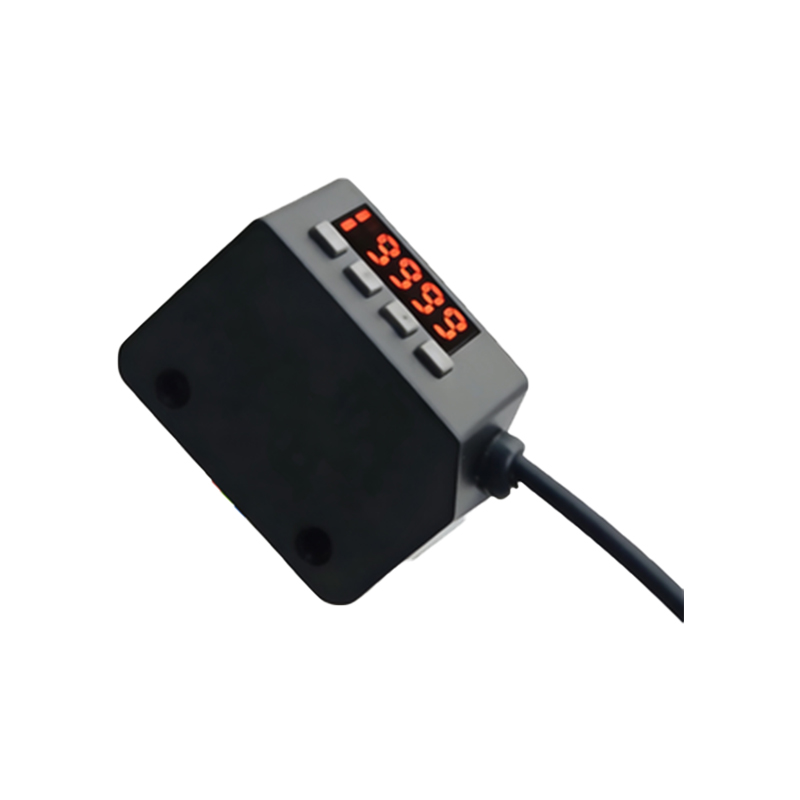
Effective skill training must focus heavily on proper sensor selection, a critical step often leading to system failure if done incorrectly. Engineers must learn to evaluate key application parameters. First, consider the target characteristics: material, color, size, and surface finish. A glossy white object and a matte black object of the same size will reflect light very differently. Second, assess the required sensing distance and factor in a substantial safety margin, typically 30-50%, to account for environmental variances. The operating environment itself is paramount; training must cover selecting sensors with appropriate ingress protection (IP) ratings for dusty or washdown areas, and robust housing materials for mechanical impact. Furthermore, skills must extend to understanding specialized functions like background suppression for precise range detection, or fiber optic units for extreme temperatures or confined spaces. The correct choice balances performance, durability, and cost.
Precision Installation and Alignment Techniques
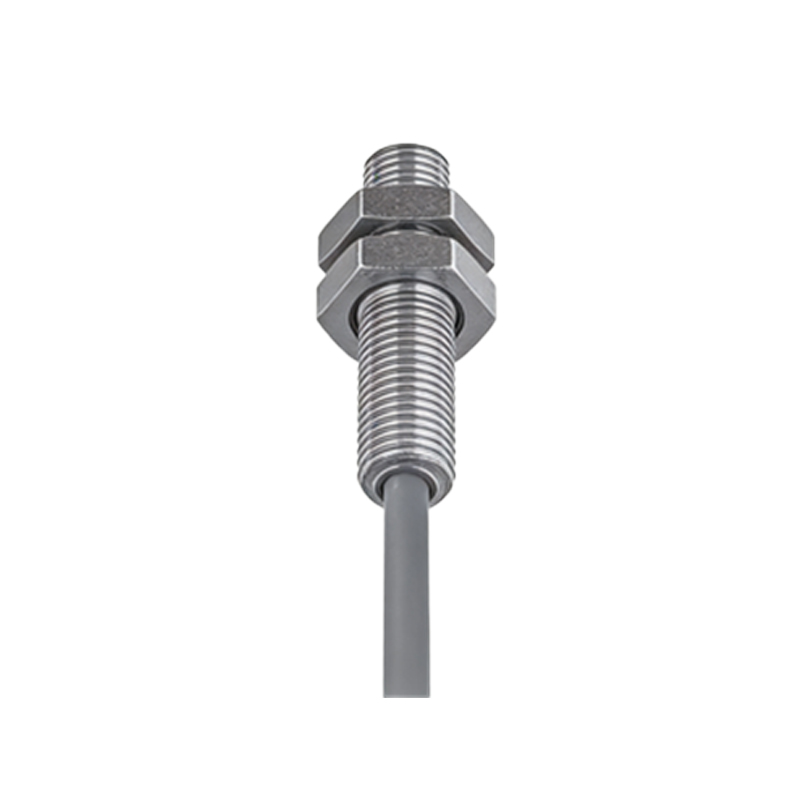
Even a perfectly selected sensor will fail if installed improperly. Skill training here is highly practical. For through-beam sensors, achieving perfect optical alignment is crucial. Trainees should learn to use alignment tools or the sensor's built-in indicators, making fine adjustments while monitoring the stability signal. Mounting rigidity is non-negotiable; vibration can misalign beams or cause false triggers. Secure brackets and locknuts are essential. For retro-reflective sensors, skills include ensuring the reflector is clean and correctly angled, and avoiding "corner cube" reflectors in applications with highly reflective backgrounds. With diffuse sensors, installers must be skilled in setting the sensitivity to ignore the background while reliably detecting the target, often using the teach-in function. Cable routing and strain relief are also critical skill points to prevent wire breakage and electrical noise interference.
Configuration, Calibration, and Troubleshooting
Modern photoelectric sensors offer extensive configurability. Training must equip technicians to expertly navigate sensitivity adjustments, response time settings, and output logic configuration (light-on/dark-on). Hands-on practice with teach-in buttons or remote teach-in inputs is vital for setting detection thresholds accurately. A major skill segment is systematic troubleshooting. Engineers should follow a disciplined methodology: first, verify power and wiring connections; second, observe the sensor's status LED indicators; third, check for optical obstructions, lens contamination, or misalignment; fourth, assess environmental light interference from sunlight or other machinery. Using a digital multimeter to monitor the output signal under different conditions is a key diagnostic skill. Training scenarios should include common issues like sensing distance drift, unstable output, and failure to detect specific materials.
Integrating Sensors into Control Systems
The ultimate test of photoelectric sensor skill is seamless integration into a broader control system, typically a Programmable Logic Controller (PLC). This requires moving beyond the sensor itself to understand the interface. Skills include correctly wiring the sensor's output to the PLC's input module, matching voltage levels (e.g., 24VDC), and understanding sinking vs. sourcing configurations. Trainees must learn to write and interpret basic PLC ladder logic that uses the sensor's input to control outputs like actuators, relays, or motor starters. Networking skills are increasingly important, as sensors with IO-Link or Ethernet/IP capabilities provide detailed diagnostic data and parameterization from the controller. This integration skill set ensures the sensor acts not just as a standalone detector, but as a intelligent data point within a cohesive automated process, enabling predictive maintenance and advanced process monitoring.
Implementing Advanced Features and Maintenance
Proficiency with advanced features distinguishes a competent technician from an expert. Training should cover the application of sensors with synchronized function (beam break) to prevent crosstalk in dense installations. Skills in using polarized filters for retro-reflective sensors to ignore shiny objects are essential. For maintenance, a proactive skill set is required. This includes establishing and following a routine cleaning schedule for lenses and reflectors using appropriate materials. Technicians must be skilled in performing periodic functional checks to recalibrate sensitivity before drift causes downtime. They should also know how to interpret advanced diagnostics from smart sensors to predict end-of-life for the light source or other components. Cultivating these predictive and advanced application skills maximizes system uptime, reduces false stops, and extends the operational life of the entire sensing system.