Introduction to Waterproof Square Proximity Sensors
Waterproof square proximity sensors represent a critical category of industrial automation components. Designed for reliability in harsh environments, these sensors detect the presence or absence of metallic or non-metallic objects without physical contact. The square form factor offers distinct advantages, including easier mounting on flat surfaces and efficient use of space within control panels or machinery. The waterproof rating, typically IP67 or higher, signifies robust protection against dust ingress and temporary immersion in water. This makes them indispensable in applications such as food processing, outdoor machinery, washdown areas, and automotive manufacturing lines where exposure to coolants, oils, and cleaning agents is common. High-quality images of these sensors are not merely for identification; they serve as essential tools for engineers during the specification, installation, and maintenance phases.
Key Visual Features in Sensor Images
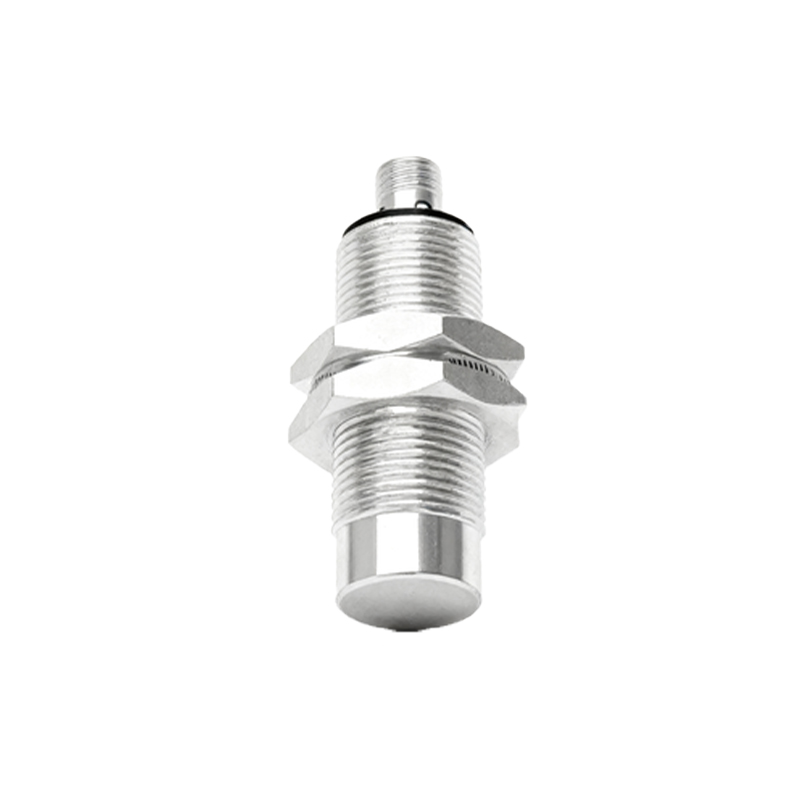
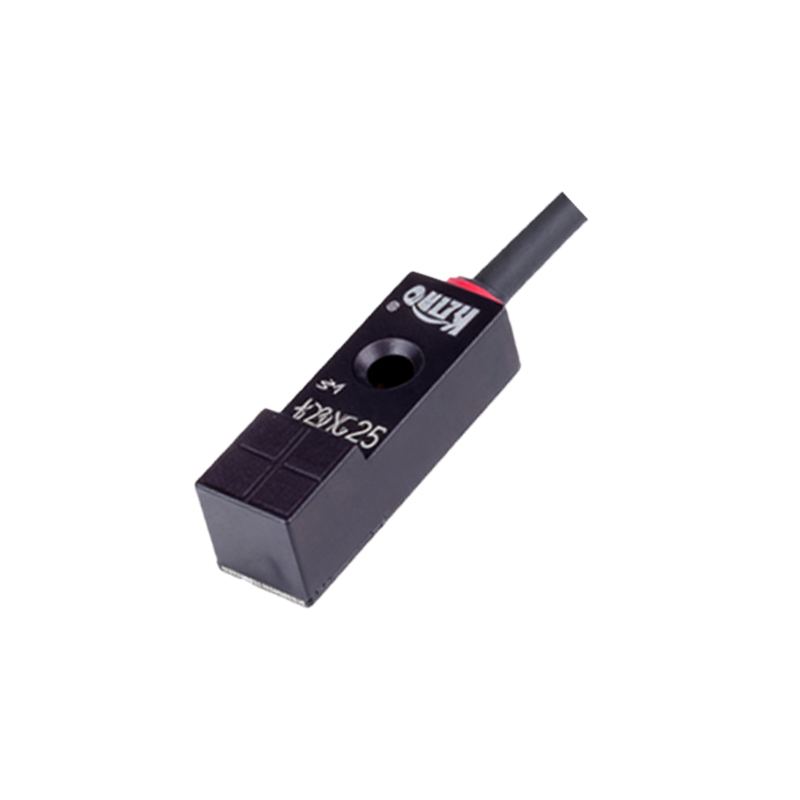
Analyzing professional-grade images of waterproof square proximity sensors reveals several crucial design elements. The housing is typically constructed from materials like nickel-plated brass, stainless steel, or rugged PBT plastic, designed to withstand mechanical stress and chemical corrosion. Clear images will show the precise sealing around the sensing face and cable entry point, which is fundamental to the IP rating. The sensing face itself is a smooth, flat surface, often marked with indicators for the sensing range and type (e.g., inductive or capacitive). Many models feature an LED status indicator, visible in product photos, which provides immediate visual feedback on the sensor's operational state. The connection method, whether a pre-attached cable or a quick-disconnect connector, is also a vital detail captured in imagery, impacting installation time and serviceability.
Interpreting Specifications from Product Photography
A well-composed product image can convey technical specifications beyond what is listed in a datasheet. The physical dimensions—length, width, and height—are often implied through scale or comparison to standard objects like a coin or a hand. The image should clearly show the mounting holes, their size, and pattern, which is critical for mechanical integration. For sensors with adjustable sensing ranges or sensitivity potentiometers, a close-up image might reveal the location of these adjustment screws or dials. The color of the housing can sometimes indicate the material or a specific product series. Furthermore, images depicting the sensor in operation, perhaps with a target object at the specified sensing distance, help engineers visualize its performance and integration into an existing system.
Application-Specific Imagery and Context
Contextual images are invaluable for understanding real-world application. These photos show the waterproof square proximity sensor installed in its intended environment. For instance, an image might depict a sensor mounted on a conveyor frame in a bottling plant, with water jets in the background, demonstrating its washdown capability. Another could show it on a robotic arm in an automotive welding line, highlighting its resistance to metallic debris and sparks. Such application shots provide proof of concept, illustrate best practices for mounting and cable routing, and help identify potential interference from other machinery. They also showcase the sensor's ability to maintain consistent performance despite exposure to temperature variations, vibrations, and continuous moisture.
The Role of Images in Selection and Troubleshooting
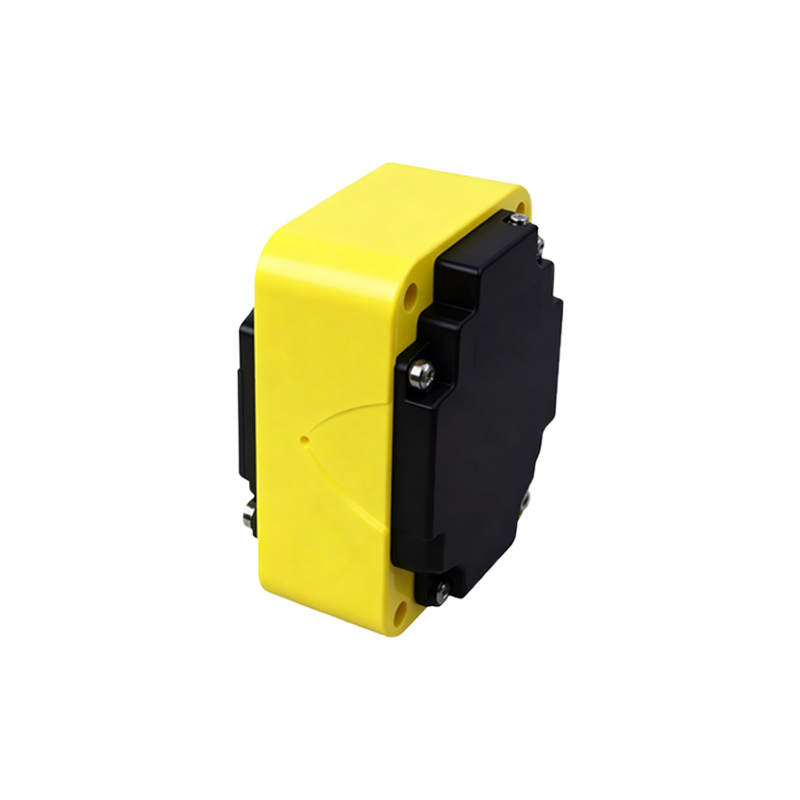
During the sensor selection process, engineers rely heavily on images to compare form factors, connection types, and overall build quality from different manufacturers. Detailed cutaway or exploded-view images can reveal internal construction, such as the coil winding in an inductive sensor or the oscillator circuit in a capacitive one, offering insights into durability and sensing technology. For maintenance technicians, images are crucial for troubleshooting. A photo showing corrosion on a non-waterproof sensor versus the pristine condition of a correctly specified waterproof model can be a powerful training tool. Similarly, images documenting incorrect installation—such as sensor misalignment, inadequate sealing at the conduit entry, or physical damage—help prevent common failures and ensure system uptime.
Conclusion: Beyond Aesthetics to Engineering Utility
In conclusion, images of waterproof square proximity sensors are far more than marketing materials. They are technical documents that communicate design integrity, environmental robustness, and application suitability. From the macro shot of the housing seal to the wide-angle view of an installed system in a challenging environment, each image serves a specific purpose in the engineering workflow. For procurement specialists, installation teams, and maintenance engineers, the ability to accurately interpret these visual cues is as important as understanding the electrical specifications. Therefore, manufacturers and suppliers must prioritize high-quality, detailed, and context-rich photography to support the industrial sector's demand for reliable, durable, and high-performance sensing solutions.