Introduction to Through-Beamp Photoelectric Sensors
Through-beamp photoelectric sensors, often referred to as opposed-mode sensors, consist of two separate units: a transmitter and a receiver. The transmitter emits a focused beam of light, typically infrared or laser, which is directly received by the opposing unit. Any object interrupting this beam triggers a detection signal. This fundamental design provides inherent advantages in reliability and sensing distance, making it a cornerstone in industrial automation for precise object detection, counting, and positioning tasks. The physical separation of components allows for long-range operation and high immunity to environmental factors like target color, reflectivity, or surface texture, as the system relies solely on beam interruption.
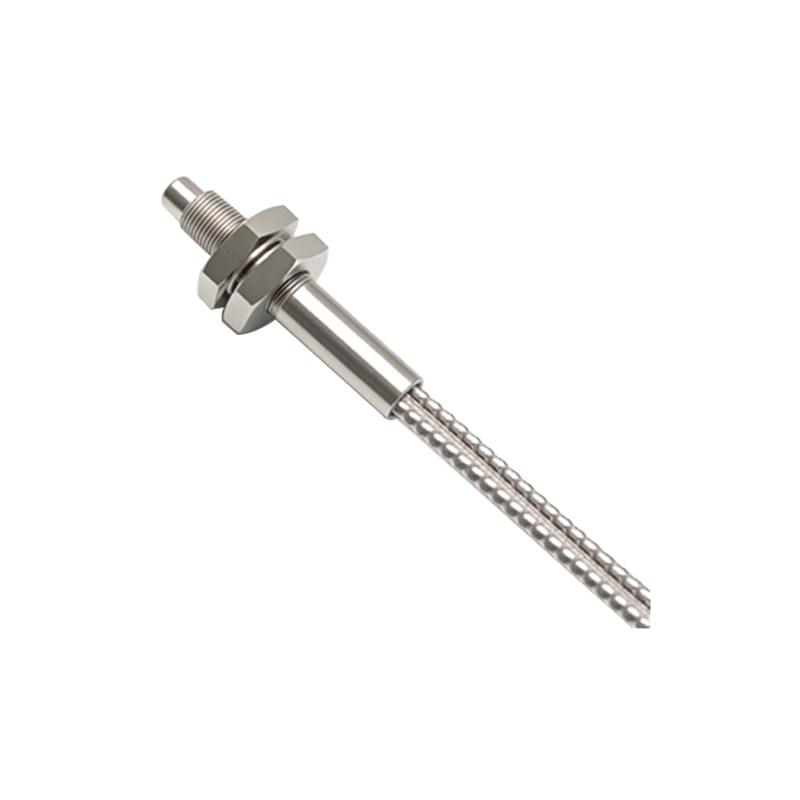
The Pillars of High Precision: Key Technologies
Achieving high precision in through-beamp sensors is a result of advanced engineering in several core areas. First, the light source quality is paramount. Stable, modulated LED or laser diodes produce a consistent, narrow beam. Modulation—pulsing the light at a specific frequency—enables the receiver to distinguish the signal from ambient light, drastically reducing false triggers. Second, superior optics with precision lenses collimate the beam to maintain a small, well-defined spot over long distances. Third, high-speed electronic circuitry with sophisticated algorithms allows for rapid response times, often in microseconds, and the ability to detect very small objects or minute interruptions in the beam path. Finally, robust housing and precise alignment mechanisms ensure mechanical stability, preventing drift in calibration that could compromise accuracy.
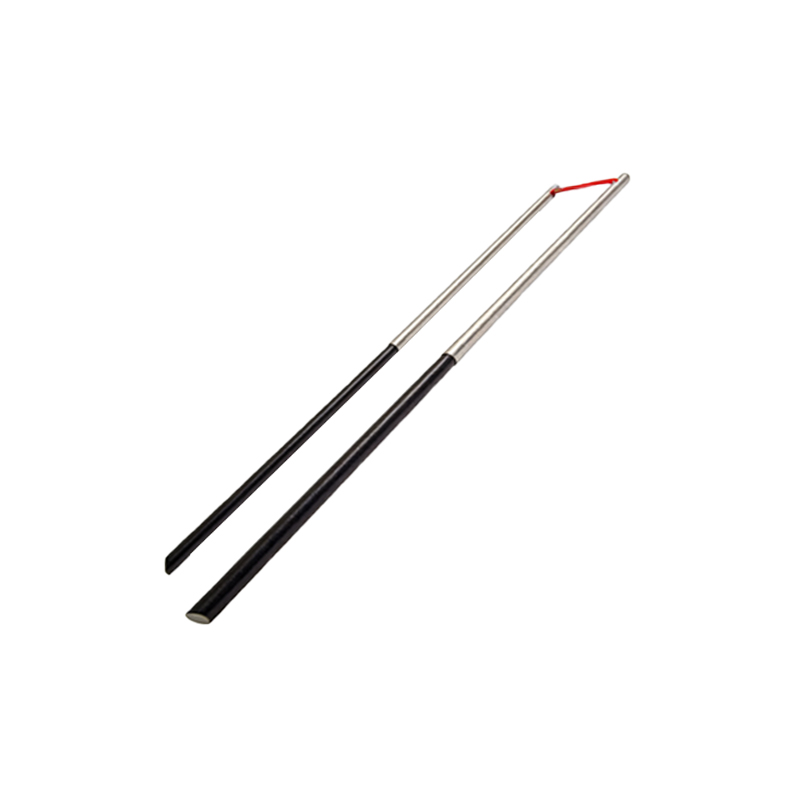
Applications Demanding Micron-Level Accuracy
The demand for high-precision through-beamp sensors is most evident in industries where micron-level accuracy is non-negotiable. In semiconductor manufacturing, they are used for wafer alignment, chip positioning, and detecting microscopic defects on production lines. In precision assembly robotics, these sensors ensure components are placed with exactitude. The packaging industry utilizes them to verify the presence of tiny pills in blister packs or to precisely cut and seal materials. Furthermore, in high-speed printing and web processing, they maintain registration control by detecting fine marks on moving substrates, ensuring perfect alignment at velocities exceeding several meters per second.
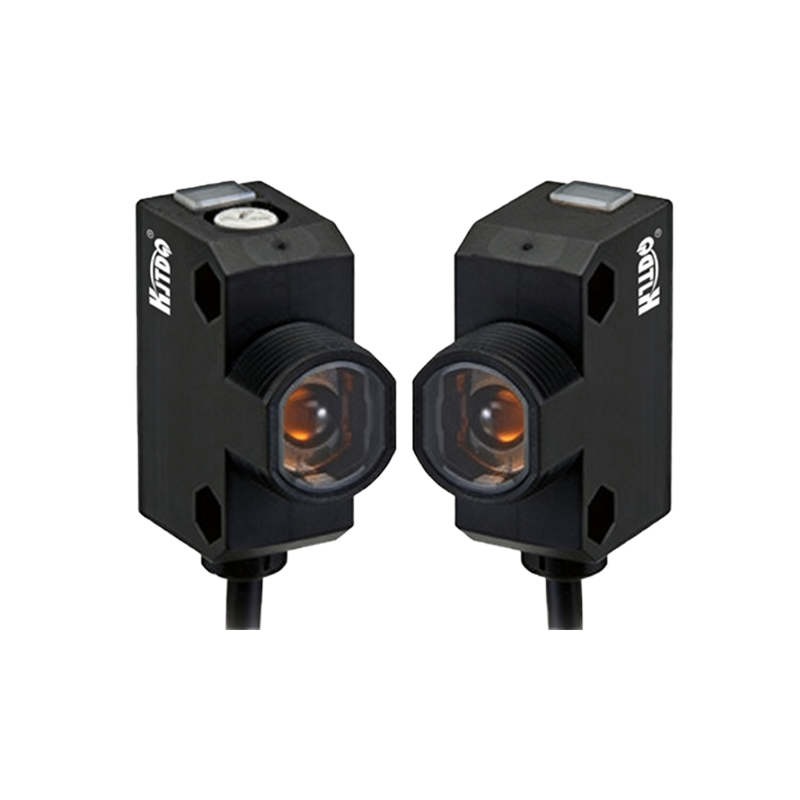
Overcoming Environmental and Operational Challenges
While inherently robust, maintaining high precision in harsh environments requires specific design considerations. Sensor manufacturers employ techniques to combat challenges like dust, fog, or oil mist. Using light with shorter wavelengths (e.g., blue laser) can improve performance in dirty environments as it scatters less. Protective windows with anti-fouling coatings and built-in air purge connections help keep optics clean. For applications with vibration or thermal fluctuation, sensors with ruggedized housings and components with low thermal coefficients are essential. Advanced models feature automatic gain control and temperature compensation circuits to maintain a stable detection threshold regardless of changing conditions.
Integration with Industry 4.0 and Smart Systems
The evolution of high-precision through-beamp sensors is tightly integrated with the rise of Industry 4.0. Modern sensors are equipped with intelligent features and digital communication interfaces like IO-Link. This allows for remote configuration, real-time monitoring of operating parameters (such as received light intensity), and predictive maintenance alerts. Data from these sensors can be fed into PLCs and higher-level control systems, enabling adaptive processes. For instance, a sensor can automatically adjust its sensitivity based on line speed or provide diagnostic data to a central dashboard, minimizing downtime and ensuring consistent, precise operation within a connected factory ecosystem.
Selecting the Right Sensor for Precision Tasks
Choosing a high-precision through-beamp sensor requires careful analysis of the application parameters. Key specifications to evaluate include resolution (the smallest object detectable), repeatability, response time, and the beam spot size at the target distance. The required sensing distance and the size of the object to be detected directly influence the choice of lens and light source type. For ultra-fine detection, laser-based sensors with extremely small spot sizes are necessary. Engineers must also consider the required housing rating (IP67/IP69K for washdown areas), supply voltage, output type (PNP/NPN, analog, or digital), and the availability of alignment aids, such as visible pilot beams or precise mounting brackets, to ensure optimal installation and performance.
Future Trends and Advancements
The future of high-precision through-beam sensing points toward even greater integration, miniaturization, and intelligence. Research is focused on developing sensors with multi-pixel receivers or array detectors capable of providing not just detection but also basic profile or edge position information. The use of advanced materials in optics may lead to sensors resistant to even more extreme temperatures and corrosive chemicals. Furthermore, the integration of AI capabilities directly at the sensor level could enable pattern recognition for quality inspection, allowing a single sensor pair to perform complex discrimination tasks previously requiring a vision system, thereby pushing the boundaries of precision automation.