Introduction to Proximity Switch Sensors
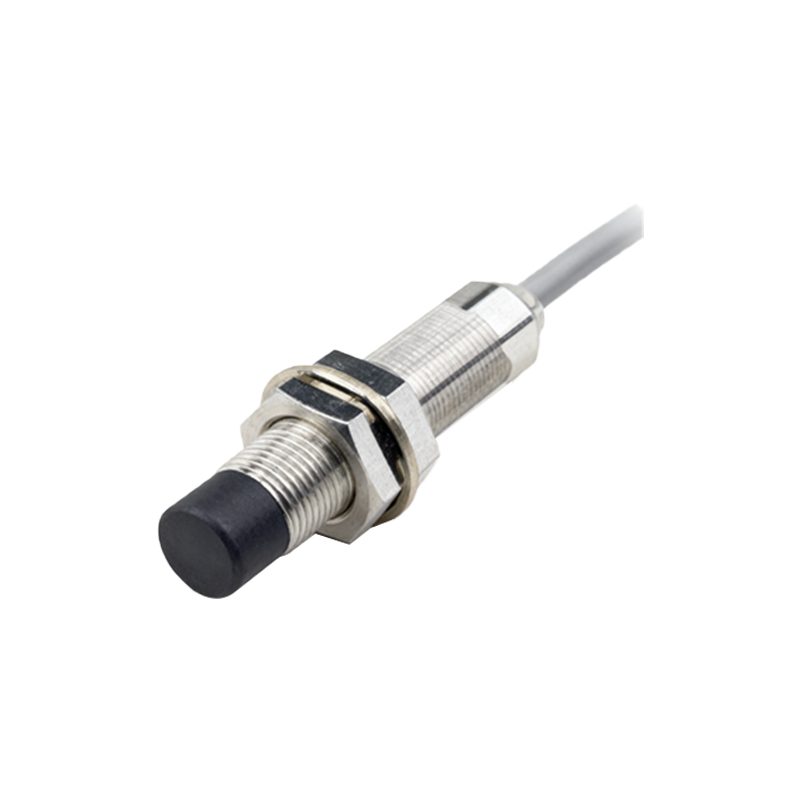
Proximity switch sensors are non-contact electronic devices widely used in industrial automation, including automated door systems. These sensors detect the presence or absence of an object within a specified range without physical contact, making them ideal for applications requiring reliability and durability. In automated doors, proximity sensors ensure smooth operation by triggering door movements when an object, such as a person or vehicle, approaches. Common types include inductive, capacitive, and photoelectric sensors, each suited to different environmental conditions and materials. Their ability to function in harsh environments—resisting dust, moisture, and temperature variations—makes them a preferred choice in commercial and industrial settings.
Working Principle in Door Control Systems
The core function of a proximity switch sensor in door control is to act as a trigger for opening and closing mechanisms. When an object enters the sensor's detection field, it disrupts an electromagnetic field or light beam, depending on the sensor type. This disruption generates an electrical signal sent to a control unit, such as a programmable logic controller (PLC) or microcontroller. The control unit then activates the door's motor or actuator, initiating movement. For example, inductive sensors detect metallic objects, while capacitive sensors respond to non-metallic materials like humans or plastics. Photoelectric sensors use infrared or laser beams for precise detection over longer distances. This seamless process enhances safety and efficiency by minimizing delays and preventing accidental closures.
Key Benefits for Automated Door Applications
Implementing proximity switch sensors in automated doors offers numerous advantages. First, they improve safety by preventing collisions, as sensors can halt door movement if an obstruction is detected. Second, they enhance energy efficiency by ensuring doors open only when needed, reducing heat loss or air conditioning leakage in buildings. Third, these sensors require minimal maintenance due to their non-contact nature, which reduces wear and tear compared to mechanical switches. Additionally, they support accessibility by enabling hands-free operation for individuals with disabilities. In high-traffic areas like airports or warehouses, proximity sensors contribute to smoother traffic flow and reduced congestion, boosting overall operational productivity.
Installation and Calibration Guidelines
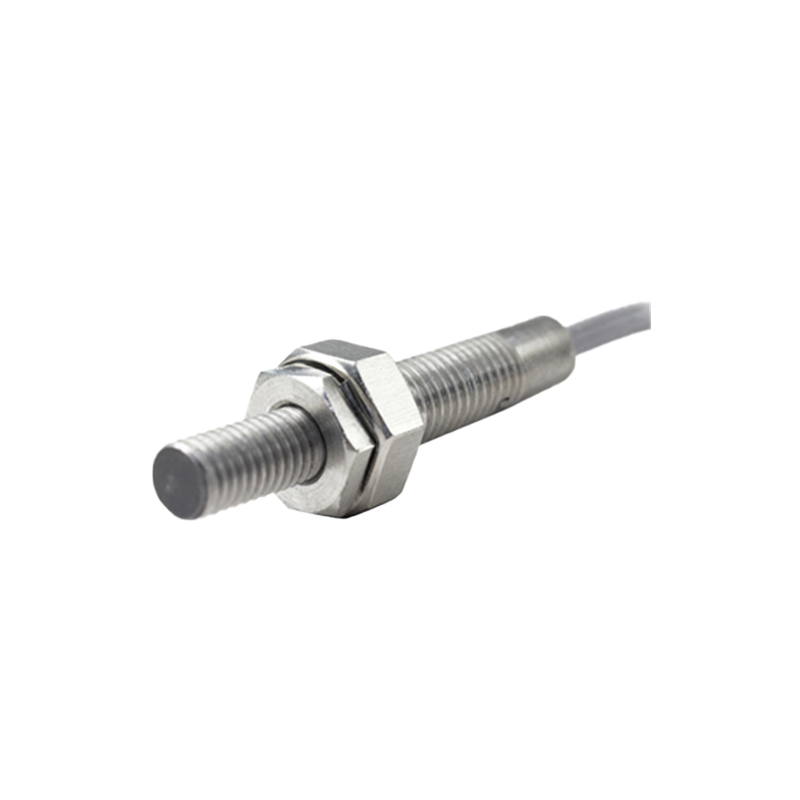
Proper installation and calibration are critical for optimal performance of proximity switch sensors in door systems. Begin by selecting a sensor type based on the door's environment—inductive for metal doors, capacitive for varied materials, or photoelectric for long-range detection. Mount the sensor at an appropriate height and angle to cover the desired detection zone, typically near the door frame or threshold. Ensure wiring connections are secure and shielded from interference, following manufacturer specifications for voltage and current ratings. Calibration involves adjusting the sensor's sensitivity and range to avoid false triggers, such as from passing objects or environmental noise. Regular testing with actual door operations helps fine-tune settings, ensuring reliable detection and response times.
Common Challenges and Troubleshooting Tips
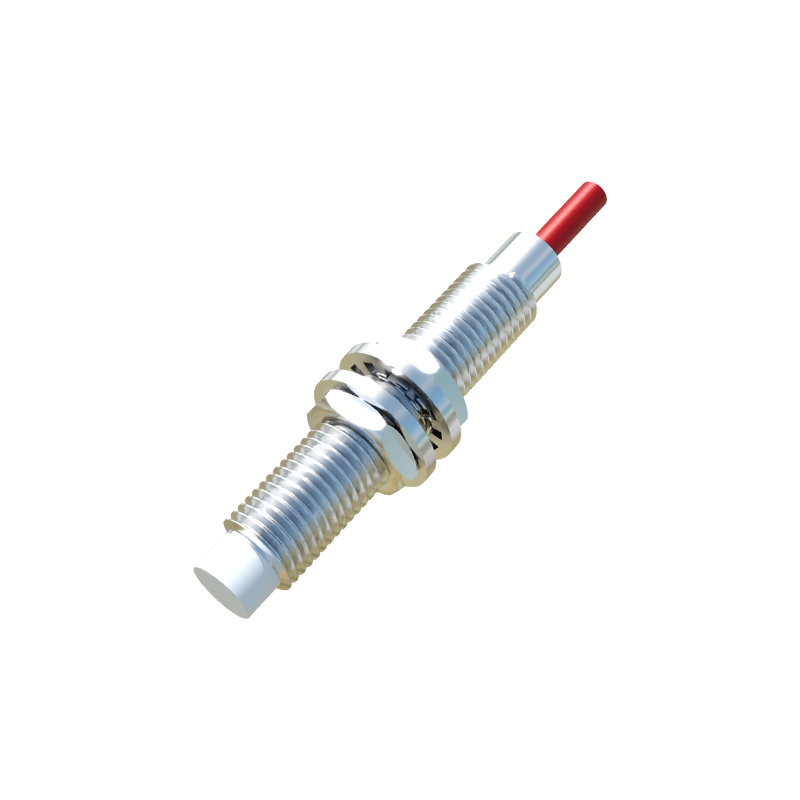
Despite their reliability, proximity switch sensors can face issues in door control applications. Interference from nearby electrical equipment may cause false signals, which can be mitigated by using shielded cables or relocating the sensor. Environmental factors like extreme temperatures or moisture might affect performance; in such cases, choose sensors with appropriate IP ratings for protection. Wear over time can lead to reduced sensitivity, requiring periodic inspection and replacement. If a door fails to open or close correctly, check the sensor's alignment, power supply, and connections first. Diagnostic tools like multimeters can help verify signal output. Consulting the sensor's manual and adhering to maintenance schedules can prevent most problems, ensuring long-term functionality.
Future Trends and Innovations
The future of proximity switch sensors in door control is evolving with technological advancements. Integration with Internet of Things (IoT) platforms allows for remote monitoring and data analytics, enabling predictive maintenance and energy optimization. Smart sensors with embedded AI can learn usage patterns to adjust detection parameters dynamically, improving efficiency. Additionally, developments in miniaturization and wireless connectivity are making sensors more versatile and easier to install in retrofitted systems. As sustainability becomes a priority, energy-harvesting sensors that power themselves from ambient sources are gaining traction. These innovations promise to enhance the reliability, intelligence, and eco-friendliness of automated door systems in the coming years.