Introduction to Photoelectric Sensing Technology
Photoelectric sensors are versatile devices that utilize light to detect the presence, absence, or distance of objects. They operate by emitting a light beam—often infrared, visible red, or laser—and analyzing the reflected or interrupted light signal. The core components include an emitter, a receiver, and a signal processor. These sensors are prized for their non-contact operation, high precision, and rapid response times, making them indispensable in modern automation. Unlike mechanical switches, they offer minimal wear and tear, ensuring long-term reliability. Their adaptability stems from various sensing modes: through-beam, retro-reflective, and diffuse reflective, each suited to specific environmental and application demands. This foundational technology enables countless innovations across diverse sectors, from simple object counting to complex robotic guidance systems.
Fundamental Operating Principles and Modes
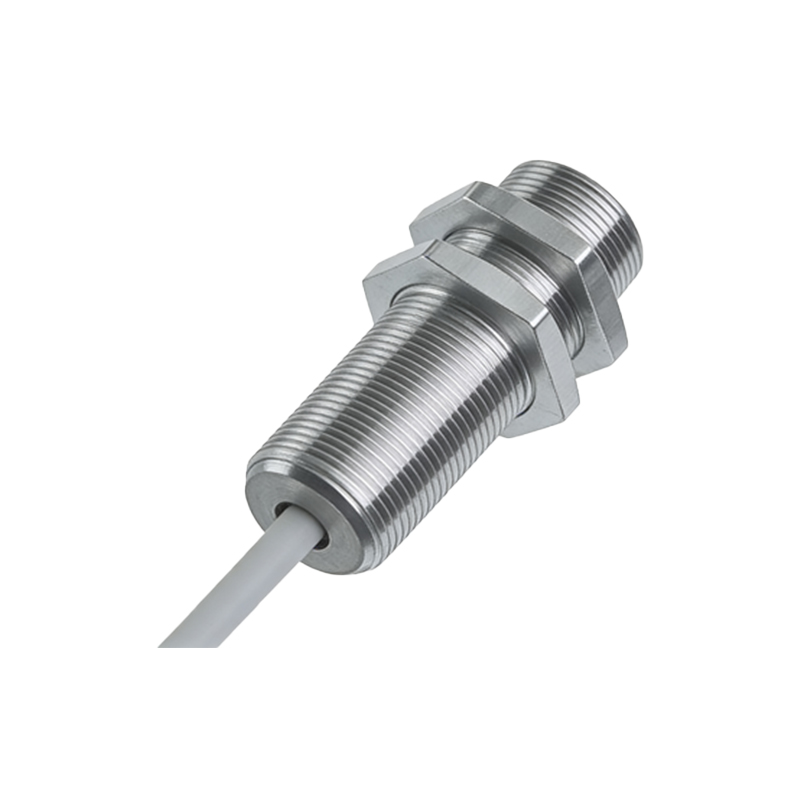
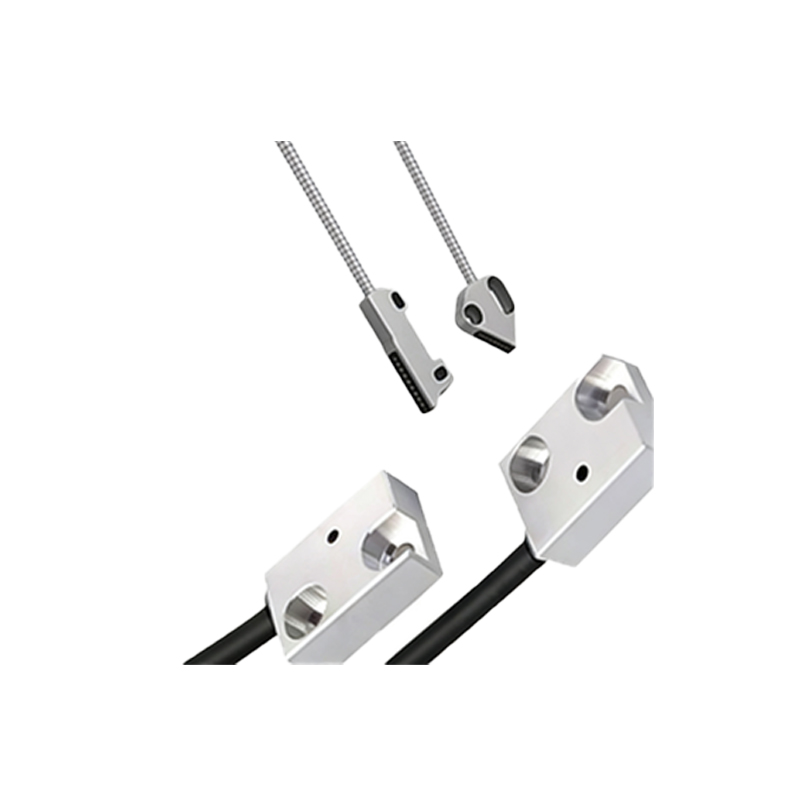
The functionality of photoelectric sensors is defined by three primary operating modes. Through-beam sensors consist of separate emitter and receiver units positioned opposite each other. Detection occurs when an object interrupts the light beam traveling between them. This mode offers the longest sensing ranges and highest reliability, ideal for harsh environments. Retro-reflective sensors house both emitter and receiver in a single housing, using a reflector to bounce the light beam back. An object is detected when it blocks this return path. Diffuse reflective sensors, also self-contained, detect light reflected directly off the target object itself. Each mode presents trade-offs in range, target requirements, and environmental tolerance, allowing engineers to select the optimal configuration for precision, cost, and installation constraints.
Automotive Manufacturing and Assembly Lines
In the automotive industry, photoelectric sensors are critical for ensuring efficiency, safety, and quality. They are deployed extensively on robotic assembly lines for precise part positioning and verification. For instance, sensors confirm the correct placement of components like windshields, doors, and engine parts before automated fastening processes proceed. They monitor conveyor speeds, count components, and detect jams in material handling systems. In paint shops, they ensure vehicle bodies are correctly positioned for spray robots. Quality control stations use them to verify assembly completeness, such as checking for the presence of all bolts or labels. Their robustness against vibration, dust, and varying light conditions makes them perfectly suited for the demanding factory floor environment.
Packaging and Material Handling Systems
The packaging sector relies heavily on photoelectric sensors for automation and product integrity. They perform critical tasks like detecting the presence of items on conveyor belts, controlling filling levels, and ensuring proper label placement. In bottling plants, sensors verify cap placement and liquid fill levels. They count products, sort items by size or color using specialized color sensors, and trigger packaging machinery. On high-speed palletizing lines, they ensure boxes are correctly aligned before being stacked. The ability to detect transparent films, glass, and irregularly shaped objects is particularly valuable here. By minimizing downtime and reducing waste through precise detection, these sensors significantly boost throughput and operational efficiency in logistics and distribution centers.
Food and Beverage Production Safety
Hygiene and safety are paramount in food processing, where photoelectric sensors play a vital role. Constructed often from stainless steel or with smooth housings for easy cleaning, they withstand frequent washdowns with high-pressure water and chemicals. Applications include detecting positions on processing lines for meat, dairy, and baked goods, monitoring fill levels in containers, and ensuring proper sealing of packages. They verify the presence of labels and expiration dates on products. Furthermore, sensors can detect foreign objects or broken containers on the line, preventing contamination. Their non-contact nature eliminates a potential source of bacterial growth, aligning with stringent industry regulations like FDA and HACCP standards.
Pharmaceutical and Medical Device Manufacturing
Precision and sterility are non-negotiable in pharmaceutical applications. Photoelectric sensors contribute to these goals in cleanroom environments. They are used to count pills and capsules with extreme accuracy, inspect blister packs for missing tablets, and monitor vial filling processes. In medical device assembly, they ensure the precise placement of tiny components. Sensors with high-resolution capabilities verify microscopic engravings on surgical tools or implants. Their reliability ensures that packaging is correctly sealed and labeled, a critical step for patient safety and regulatory compliance. The use of specific light wavelengths allows detection of transparent or difficult-to-sense materials common in medical packaging.
Electronics and Semiconductor Fabrication
The miniaturization trend in electronics demands detection capabilities at microscopic scales. Photoelectric sensors, especially laser-based types, provide the necessary resolution. In printed circuit board (PCB) assembly, they detect the presence of minute components, guide pick-and-place robots, and verify solder paste application. Within semiconductor wafer fabs, sensors are used for wafer cassette mapping, robot arm guidance, and precise alignment during photolithography processes. They must operate flawlessly in vibration-sensitive and ultra-clean environments. Their speed and accuracy are essential for maintaining the high yields required in this capital-intensive industry, where even a micron of misalignment can render a chip defective.
Advanced Applications and Future Trends
Beyond traditional industrial settings, photoelectric sensor technology is evolving. Background suppression sensors can detect objects independent of their color or reflectivity by measuring the angle of reflected light. Distance-measuring sensors provide analog output proportional to range, enabling applications like loop control and dimension checking. The integration of IO-Link and other industrial communication protocols allows for smart sensor features like remote configuration, condition monitoring, and predictive maintenance data transmission. Looking ahead, the convergence with machine vision and AI will enable more complex inspection tasks, such as surface defect detection or optical character verification, further expanding the scope of automation and Industry 4.0 initiatives.