Introduction to Magnetic Proximity Sensors
Magnetic proximity sensors are essential components in industrial automation and control systems, widely used for detecting the presence or absence of ferromagnetic objects without physical contact. These sensors operate based on the principles of magnetism, offering reliable performance in harsh environments where dust, moisture, or vibrations are present. Unlike other sensing technologies, magnetic proximity sensors are non-contact devices, which minimizes wear and tear and extends their operational lifespan. They are commonly employed in applications such as position sensing, limit switching, and safety interlocks across various industries, including automotive, manufacturing, and robotics. The core functionality revolves around detecting changes in a magnetic field caused by the approach of a target object, typically made of iron or steel. This detection mechanism ensures high precision and repeatability, making magnetic sensors a preferred choice for critical control tasks.
Fundamental Working Principle
The fundamental working principle of magnetic proximity sensors involves the interaction between a permanent magnet or an electromagnet and a ferromagnetic target. When a ferromagnetic object enters the sensor's detection range, it disturbs the magnetic field generated by the sensor. This disturbance is detected by a sensing element, such as a Hall effect sensor or a reed switch, which then triggers an electrical signal. The Hall effect sensor, for instance, generates a voltage proportional to the magnetic field strength when a current flows through it in the presence of a magnetic field. Alternatively, reed switches consist of two ferromagnetic reeds sealed in a glass tube; when exposed to a magnetic field, the reeds attract each other and close an electrical circuit. The detection range, or sensing distance, depends on factors like the magnet's strength, target material, and sensor design, typically ranging from a few millimeters to several centimeters.
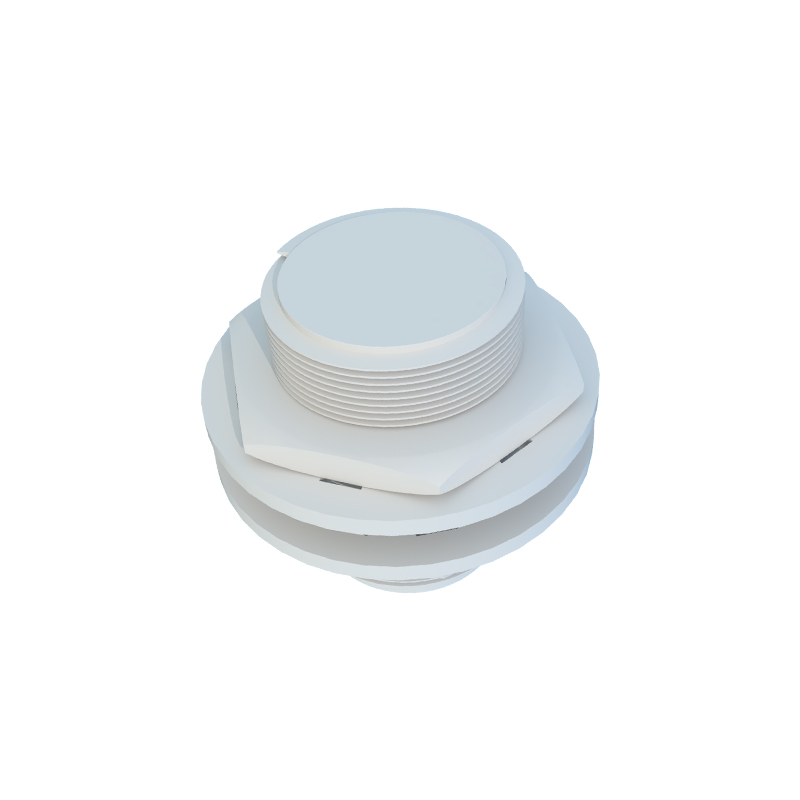
Key Components and Design
Magnetic proximity sensors comprise several key components that ensure efficient operation. The primary elements include a magnetic source (permanent magnet or coil), a sensing element (Hall effect chip, reed switch, or magnetoresistive device), signal conditioning circuitry, and an output stage. The magnetic source creates a stable field, while the sensing element detects variations caused by target proximity. Signal conditioning circuits amplify and filter the raw signal to improve accuracy and noise immunity, often incorporating temperature compensation to maintain performance across varying conditions. The output stage provides an electrical signal, such as a digital switch (PNP/NPN) or analog voltage, compatible with control systems like PLCs. Design considerations focus on housing materials (e.g., stainless steel or plastic for corrosion resistance), IP ratings for environmental protection, and mounting options to suit industrial setups. Advanced sensors may include features like programmable thresholds or diagnostic indicators for enhanced functionality.
Types of Magnetic Proximity Sensors
There are several types of magnetic proximity sensors, each tailored to specific applications. The most common variants include Hall effect sensors, reed sensors, and magnetoresistive sensors. Hall effect sensors utilize semiconductor technology to detect magnetic fields, offering high sensitivity and fast response times, ideal for speed sensing or position encoding. Reed sensors, with their simple mechanical design, provide low-power operation and high isolation, often used in safety-critical systems like door switches. Magnetoresistive sensors leverage materials that change resistance under magnetic influence, delivering excellent precision for angular or linear position detection. Additionally, sensors can be categorized based on output type: digital sensors provide on/off signals for presence detection, while analog sensors output continuous signals proportional to distance, useful for precise measurement tasks. Selection depends on factors like required accuracy, environmental conditions, and cost constraints.
Applications in Industrial Settings
In industrial settings, magnetic proximity sensors play a vital role in automation and control. They are extensively used for position detection in machinery, such as monitoring cylinder piston movement in pneumatic or hydraulic systems, ensuring accurate sequencing in production lines. Limit switching applications involve detecting the end positions of moving parts to prevent overtravel and damage. In automotive manufacturing, these sensors assist in assembly line robotics for part presence verification and quality control. Safety interlocks rely on magnetic sensors to confirm door closures or guard positions, enhancing operator protection. Other applications include speed monitoring in conveyor belts, fluid level sensing in tanks using float magnets, and rotational encoding in motors. Their robustness against contaminants and vibrations makes them suitable for demanding environments like mining or heavy equipment.
Advantages and Limitations
Magnetic proximity sensors offer numerous advantages, including non-contact operation, which eliminates mechanical wear and ensures long service life. They are highly reliable in dirty or wet conditions due to sealed designs, with many models boasting IP67 or higher ratings. These sensors provide fast response times, often in microseconds, enabling real-time control in high-speed processes. Additionally, they are immune to non-ferrous materials, reducing false