Understanding the Hazard: The Need for Explosion-Proofing
In numerous industrial sectors such as oil and gas, chemical processing, mining, and grain handling, the ambient atmosphere can become charged with flammable gases, vapors, mists, or combustible dusts. Under specific conditions of concentration and the presence of an ignition source, these substances can ignite or explode. Standard electronic equipment, including the ubiquitous proximity sensor, can generate sufficient thermal or electrical energy—through normal operation, internal arcing, or surface temperature—to act as that ignition source. This fundamental risk necessitates the use of specially designed equipment that can operate reliably without triggering a catastrophic event. Explosion-proof proximity sensors are engineered to contain any potential internal explosion and prevent it from propagating into the surrounding hazardous atmosphere, thereby ensuring operational continuity and, most critically, personnel safety.
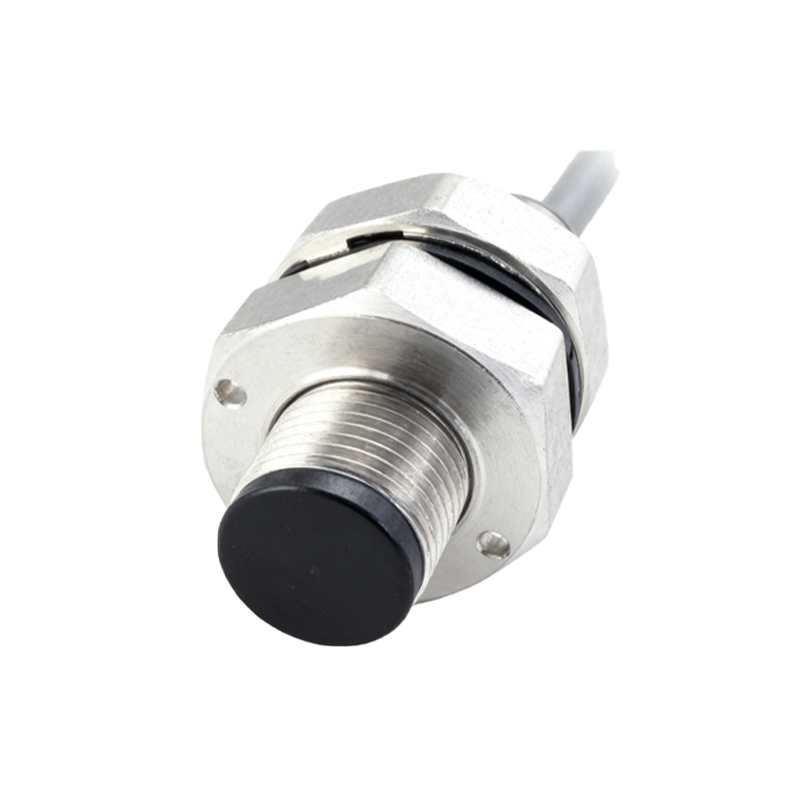
Core Principles of Explosion-Proof Design
The design of an explosion-proof proximity sensor revolves around containment and isolation. Unlike intrinsic safety, which limits electrical energy to below ignition levels, explosion-proof (or flameproof) enclosures are built to withstand the pressure of an internal explosion. The robust housing, typically made of stainless steel or heavy-duty aluminum alloy, is engineered with precisely machined flanges or threaded joints. These joints are designed to be long enough and have a sufficiently small gap (the flame path) that hot gases from an internal explosion cool below the ignition temperature of the external atmosphere as they escape. This quenching effect prevents the transmission of the explosion. Furthermore, the enclosure must maintain its integrity under such pressure and prevent any hot particles from being ejected. The sensor's sensing face is also protected, often using a thick, impact-resistant material that maintains the flame path integrity.
Key International Standards and Certifications
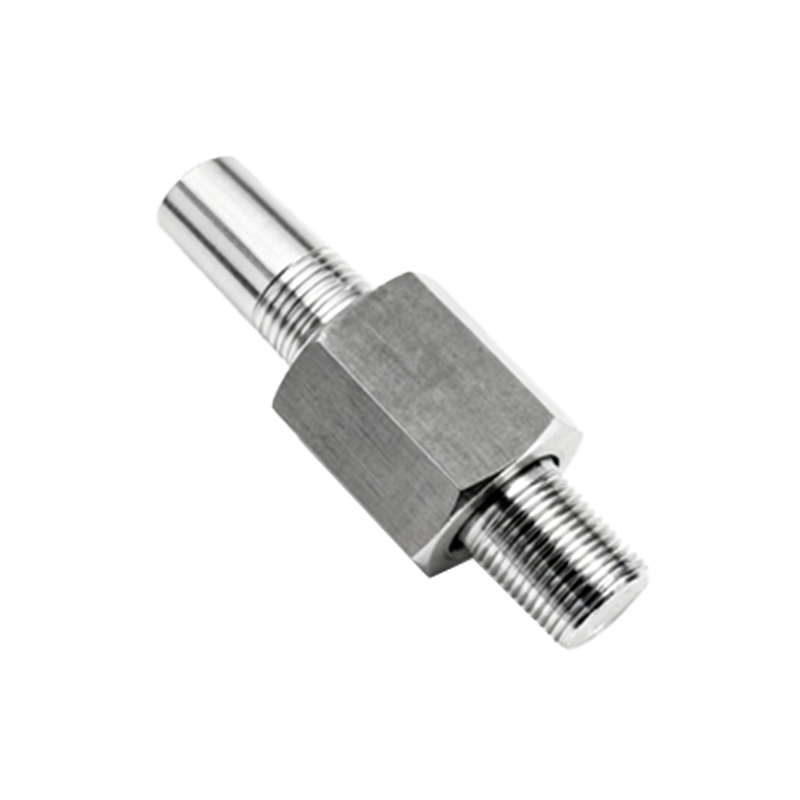
Globally, the use of equipment in hazardous locations is governed by stringent standards and certification systems. Two primary systems dominate: the ATEX directive in the European Union and the NEC (National Electrical Code) with its Class/Division system and the newer Zone system in North America. IECEx provides an international framework for certification. For an explosion-proof proximity sensor, common markings might include "Ex d IIC T6" under ATEX/IECEx, indicating a flameproof enclosure (d) suitable for gases in Group IIC (like hydrogen) with a maximum surface temperature of 85°C (T6). In North America, a marking like "Class I, Division 1, Groups C&D, T6" conveys similar information for the Division system. Understanding these certifications is not optional; it is a legal and safety imperative to select a sensor with the correct certification for the specific hazardous area classification (Zone 0/1/2 or Division 1/2) and the specific gas or dust group present.
Selection Criteria for Optimal Performance
Choosing the right explosion-proof proximity sensor extends beyond just the explosion protection rating. Engineers must consider the sensing technology—inductive for metals, capacitive for non-metals and liquids, or ultrasonic for various materials. The sensing distance, environmental sealing (IP rating like IP67 or IP69K for washdown), housing material compatibility with corrosive substances, and operating temperature range are all critical. Electrical characteristics such as output type (PNP/NPN, analog, IO-Link), supply voltage, and connection method (pre-wired cable or quick-disconnect) must align with the control system. For devices in Division 1/Zone 1 areas, which are hazardous under normal operation, the robustness and certification of the sensor are paramount. For Division 2/Zone 2 areas, where hazard is only present under abnormal conditions, a less restrictive "Increased Safety" (Ex e) type might sometimes be applicable, but explosion-proof types are universally accepted.
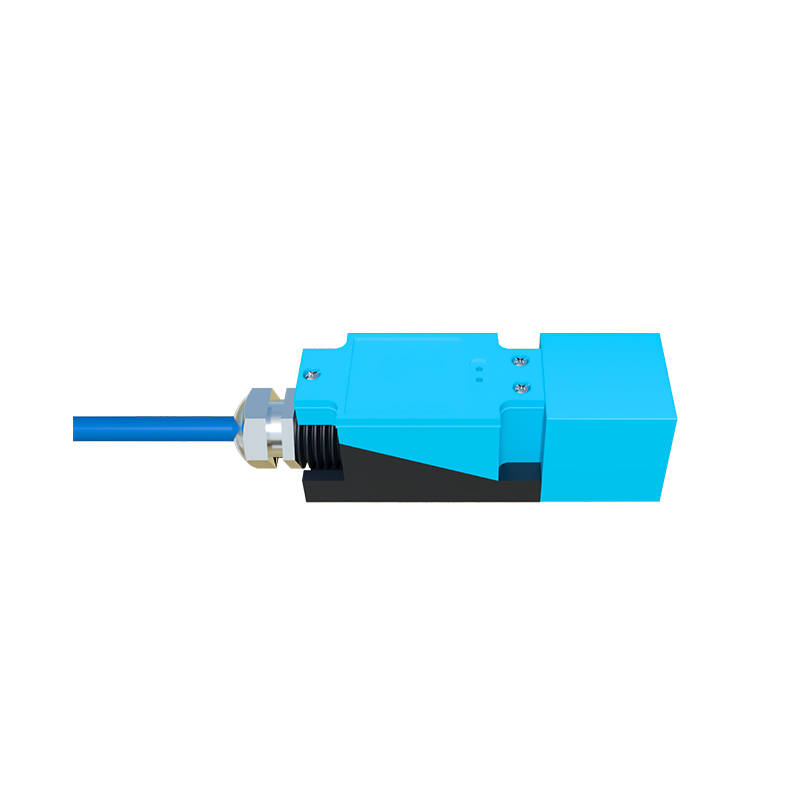
Installation and Maintenance Best Practices
Proper installation is crucial to maintaining the explosion-proof integrity of the sensor. This includes following manufacturer torque specifications for cable glands and enclosure lids to ensure the flame path is not compromised. Conduit seals are often required within a specified distance of the enclosure to prevent the passage of gases. Regular inspection schedules should check for physical damage to the housing, corrosion, and integrity of seals and gaskets. Any maintenance that requires opening the enclosure must be performed only in a safe, non-hazardous area with the power disconnected, as this temporarily negates the protection. After servicing, it is vital to reassemble the unit correctly, again adhering to specified torque values. Documentation of all inspections and maintenance is essential for safety audits and compliance.
The Future: Integration with Industry 4.0
The evolution of explosion-proof sensors is closely tied to industrial digitalization. Modern explosion-proof proximity sensors are increasingly featuring advanced diagnostics and communication