Introduction to Huawei's Photoelectric Sensor Technology
Huawei has been making significant strides in the field of photoelectric sensors, leveraging its expertise in telecommunications and digital technology. Photoelectric sensors, which detect light or changes in light properties to sense objects, are crucial in various industries such as automation, automotive, and smart infrastructure. Huawei's approach integrates advanced optoelectronics with AI and IoT capabilities, enhancing sensor accuracy, reliability, and connectivity. This innovation is part of Huawei's broader strategy to drive digital transformation and smart solutions globally, positioning the company as a key player in the sensor market. By focusing on research and development, Huawei aims to address challenges like energy efficiency, miniaturization, and real-time data processing, setting new standards for sensor performance.
Current Market Position and Applications
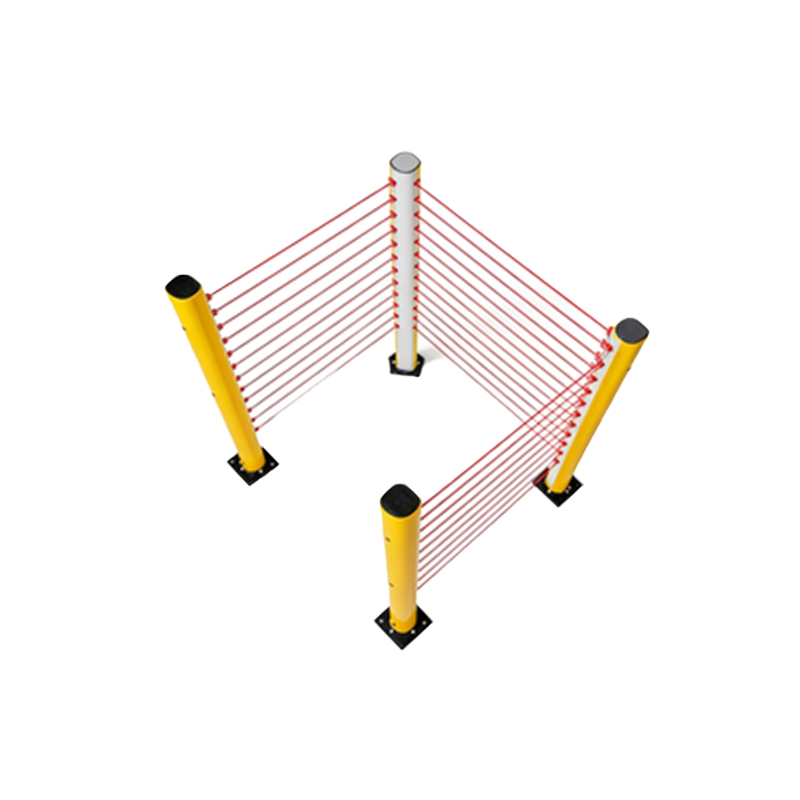
In the current market, Huawei's photoelectric sensors are gaining traction across multiple sectors. In industrial automation, these sensors are used for precise object detection, quality control, and safety monitoring, improving operational efficiency in manufacturing plants. The automotive industry benefits from Huawei's sensors in advanced driver-assistance systems (ADAS), enabling features like lane departure warnings and collision avoidance. Additionally, in smart cities, Huawei deploys photoelectric sensors for traffic management, environmental monitoring, and energy conservation. The company's global reach and partnerships with other tech firms allow for widespread adoption, though competition from established sensor manufacturers like Siemens and Omron remains intense. Huawei's competitive edge lies in its ability to integrate sensors with 5G networks and cloud computing, offering seamless data transmission and analytics.
Technological Innovations and R&D Focus
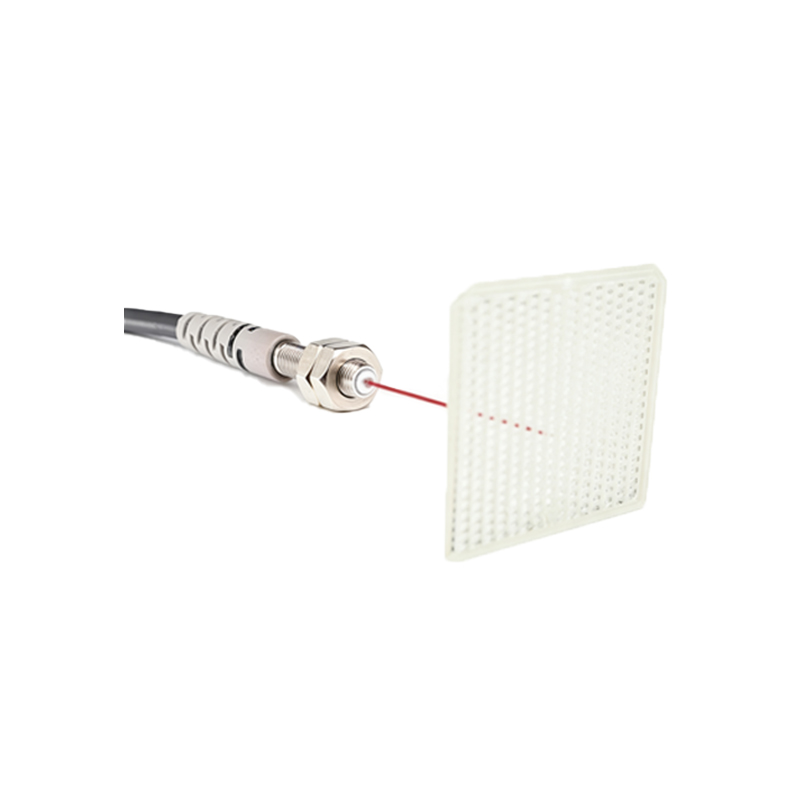
Huawei's research and development efforts in photoelectric sensors are centered on cutting-edge technologies. Key innovations include the use of nanomaterials to enhance sensitivity and reduce sensor size, making them suitable for compact devices. Huawei is also investing in quantum dot technology, which improves light detection capabilities and expands the spectral range for diverse applications. AI algorithms are integrated to enable predictive maintenance and adaptive sensing, reducing false positives and increasing longevity. Furthermore, Huawei emphasizes energy-efficient designs, with sensors that consume minimal power while maintaining high performance, aligning with global sustainability goals. Collaborative projects with universities and research institutions worldwide fuel these advancements, ensuring Huawei stays at the forefront of sensor technology.
Challenges and Opportunities in the Industry
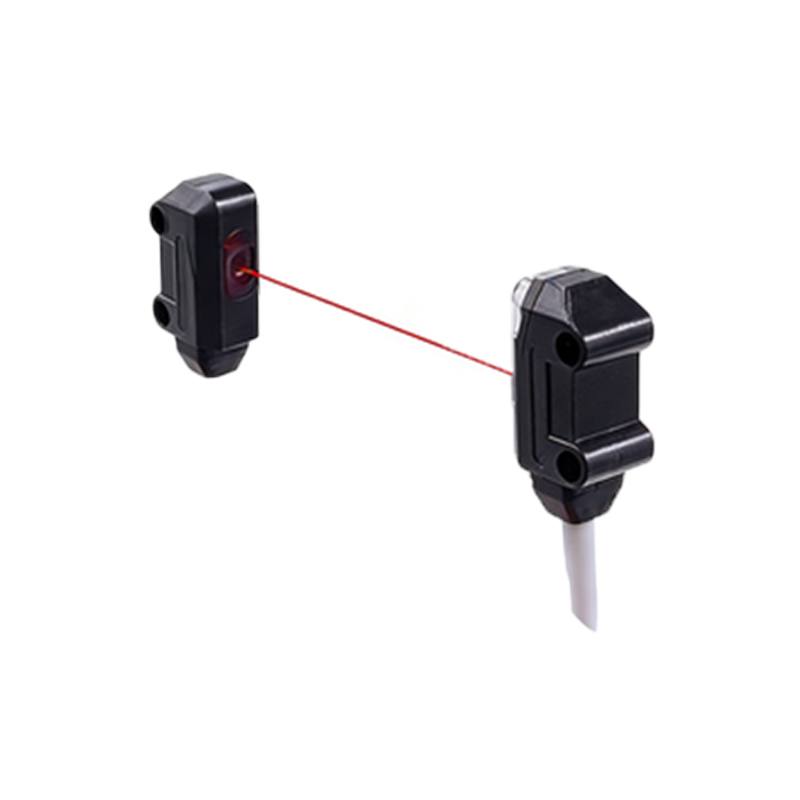
Despite its progress, Huawei faces several challenges in the photoelectric sensor market. Geopolitical tensions and trade restrictions can impact supply chains and access to critical components, potentially slowing innovation. Additionally, the high cost of advanced sensor development and the need for standardization across industries pose hurdles. However, opportunities abound as demand for smart devices and IoT ecosystems grows. Huawei can capitalize on trends like Industry 4.0, autonomous vehicles, and renewable energy systems, where photoelectric sensors play a vital role. By focusing on open-source platforms and interoperability, Huawei can foster broader adoption and collaboration, turning challenges into growth drivers. The company's commitment to ethical AI and data privacy also enhances trust among consumers and businesses.
Future Prospects and Strategic Directions
Looking ahead, Huawei's photoelectric sensor development is poised for exponential growth. The company plans to expand into emerging markets such as healthcare, where sensors can monitor patient vitals or assist in diagnostic tools, and agriculture, for precision farming and crop monitoring. Huawei's vision includes creating a unified sensor network that leverages edge computing and 6G technology for ultra-fast, low-latency applications. Strategic partnerships with automotive giants and smart city developers will accelerate deployment, while continuous R&D investment ensures technological leadership. In the long term, Huawei aims to make photoelectric sensors more affordable and accessible, driving global digital inclusion. By aligning with global standards and fostering innovation, Huawei is set to shape the future of photoelectric sensing, contributing to a smarter, more connected world.