Introduction to Photoelectric Sensing in Material Sorting
The efficient sorting of materials like plastics and waste paper is a cornerstone of modern recycling and waste management systems. As global emphasis on sustainability and circular economies intensifies, the demand for high-precision, high-speed sorting technology has never been greater. Photoelectric sensors have emerged as a critical component in this technological evolution. These sensors operate by emitting a beam of light—often infrared, visible, or laser—and detecting changes in the received light signal caused by the presence, absence, or specific characteristics of a target object. Their non-contact nature, rapid response times, and exceptional reliability make them ideally suited for the harsh, fast-paced environments of material recovery facilities (MRFs) and recycling plants. This article delves into the specific applications, technological principles, and benefits of using photoelectric sensors for differentiating and sorting plastics and paper streams.
Fundamental Operating Principles
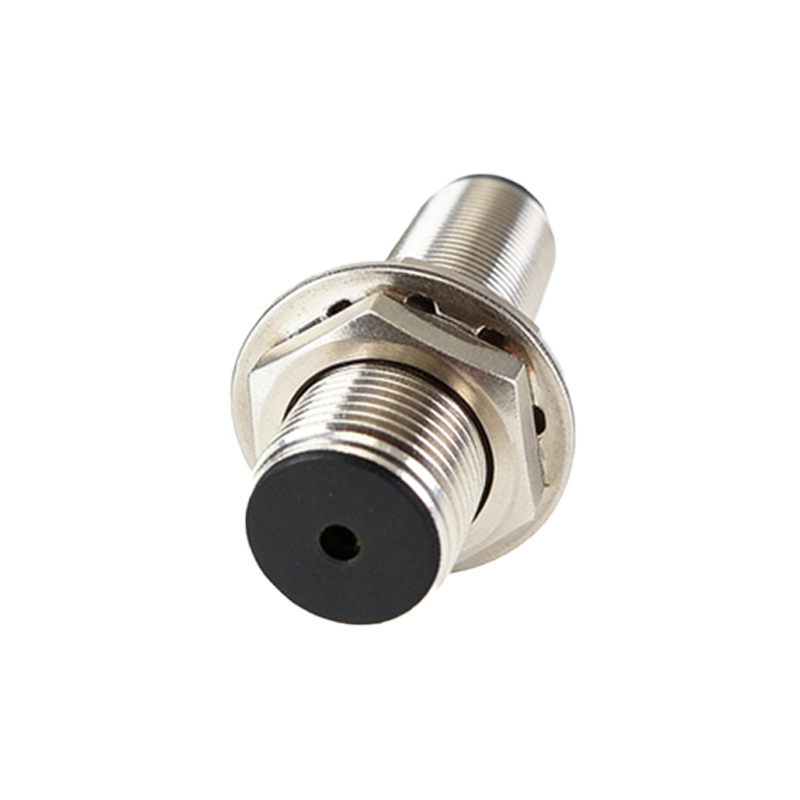
Photoelectric sensors function based on three primary modes: through-beam, retro-reflective, and diffuse reflective. In through-beam systems, an emitter and a receiver are positioned opposite each other. An object breaking the light beam triggers a detection signal. This mode offers the longest sensing range and highest reliability but requires precise alignment of two separate units. Retro-reflective sensors house both emitter and receiver in one housing, using a reflector to bounce the light beam back. An object is detected when it interrupts this return path. Diffuse reflective sensors, perhaps the most common in sorting applications, also have a single housing. They detect an object by measuring the light reflected directly off the target's surface. The intensity and nature of this reflected light are key to material identification. For sorting, advanced versions utilize color sensors, which distinguish hues, or contrast sensors, which detect differences in reflectivity, which are crucial for telling materials apart.
Sorting Plastics: Type and Color Differentiation
Plastic sorting presents a significant challenge due to the variety of polymer types (PET, HDPE, PVC, etc.) and colors. Photoelectric sensors are deployed in multiple stages to address this. Near-infrared (NIR) spectroscopy sensors are the industry standard for polymer identification. These sensors emit NIR light onto a plastic item; different polymers absorb and reflect this light in unique, characteristic patterns (spectral fingerprints). A spectrometer analyzes the reflected spectrum in real-time, accurately identifying the plastic type. Subsequently, high-speed color sensors take over. Using red, green, and blue (RGB) LEDs and a receiver, these sensors classify items by color (e.g., clear, blue, green PET). This data is fed to a control system that commands precise air jets to eject targeted items from the conveyor belt into the correct collection chute, enabling pure material streams.
Identifying and Separating Waste Paper Grades
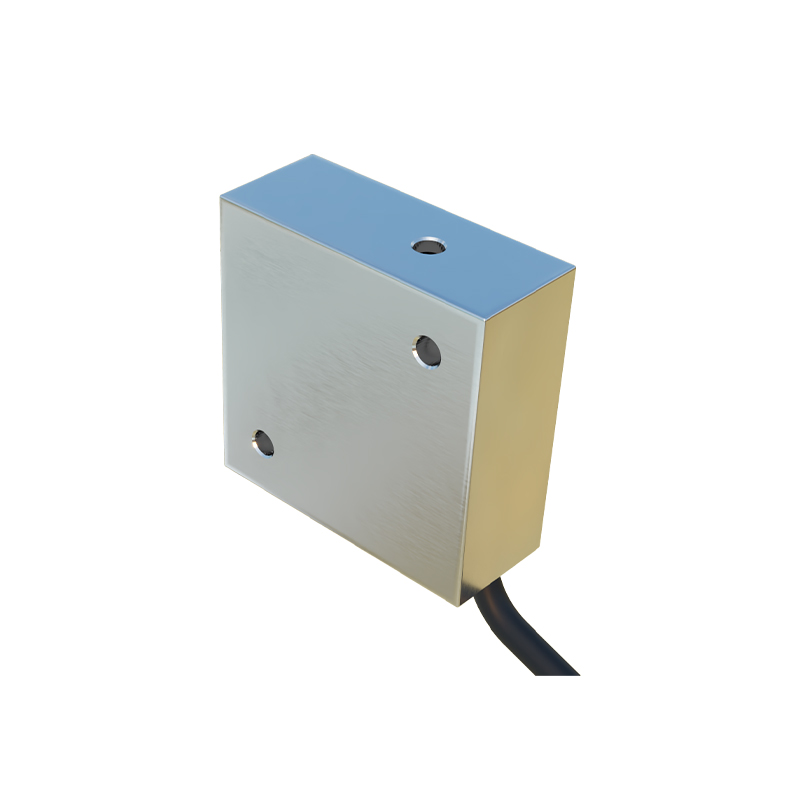
Waste paper sorting relies heavily on the contrast sensing capability of photoelectric sensors. Different paper grades—such as corrugated cardboard (OCC), newspaper (ONP), office paper, and mixed paper—have distinct optical properties. These include brightness, color, and surface texture. A diffuse reflective sensor with a focused light beam can detect the contrast between, for example, the dark brown of corrugated cardboard and the lighter grey of newspaper. Advanced systems may use color sensors to separate white office paper from colored ledger stock. Furthermore, sensors can be configured to detect contaminants like plastic films or metal staples often found in paper bales. By setting specific thresholds for reflectivity, the system ensures that only paper meeting the grade specification passes through, while contaminants or off-grade materials are diverted.

Key Advantages in Recycling Applications
The integration of photoelectric sensors into sorting lines delivers profound advantages. First and foremost is the dramatic increase in sorting purity and throughput. Automated sensor-based systems far surpass manual sorting in both speed and accuracy, operating 24/7. This leads to higher-quality output bales, which command better market prices. Secondly, it enhances operational efficiency and reduces labor costs and associated safety risks in a demanding environment. Thirdly, it contributes directly to sustainability goals by improving material recovery rates, reducing contamination in recycled streams, and conserving virgin resources. Finally, the reliability and durability of modern industrial photoelectric sensors, with ingress protection (IP) ratings against dust and moisture, ensure consistent performance with minimal downtime.
Overcoming Challenges: Contamination and Sensor Selection
Despite their effectiveness, challenges persist. Heavy contamination, such as dirt, moisture, or labels on plastics, can interfere with light reflection and skew sensor readings. Sticky residues on paper can pose similar problems. To mitigate this, sensor selection is paramount. For dirty environments, sensors with background suppression or true background suppression technology are essential, as they can detect an object within a precise, defined range, ignoring reflections from distant conveyor parts or debris. Regular maintenance and lens cleaning protocols are also critical. Furthermore, the choice of light source wavelength (e.g., infrared for penetration, visible red for contrast) must be tailored to the specific material's properties. System integrators must carefully consider the sensing distance, response frequency, and environmental hardening of the sensor to match the line speed and plant conditions.
Future Trends and Technological Integration
The future of photoelectric sensing in material sorting is intertwined with broader Industry 4.0 trends. Sensors are becoming smarter, with integrated IO-Link communication that provides detailed diagnostic data, parameter setting capabilities, and condition monitoring, facilitating predictive maintenance. There is also a trend towards sensor fusion, where data from photoelectric sensors is combined with input from other technologies like hyperspectral imaging, metal detectors, or AI-powered vision systems. This multi-layered sensing approach creates a more robust and intelligent sorting decision-making process. Additionally, the development of smaller, faster, and more energy-efficient sensors will allow for even denser arrays on sorting lines, enabling the detection of smaller and more complex material items, pushing the boundaries of recycling efficiency further.