Understanding Photoelectric Sensor Functionality
Photoelectric sensors are critical safety components in high-speed roll-up door systems. They operate by projecting an invisible beam of light across the door's threshold. When this beam is interrupted by an object, person, or vehicle, the sensor sends an immediate signal to the door's control unit to stop the door's descent and reverse its direction. This prevents accidents, protects property, and ensures operational safety in industrial, warehouse, and commercial settings. The typical configuration involves an emitter on one side and a receiver on the opposite side, constantly communicating to confirm a clear path.
Common Symptoms of Sensor Malfunction
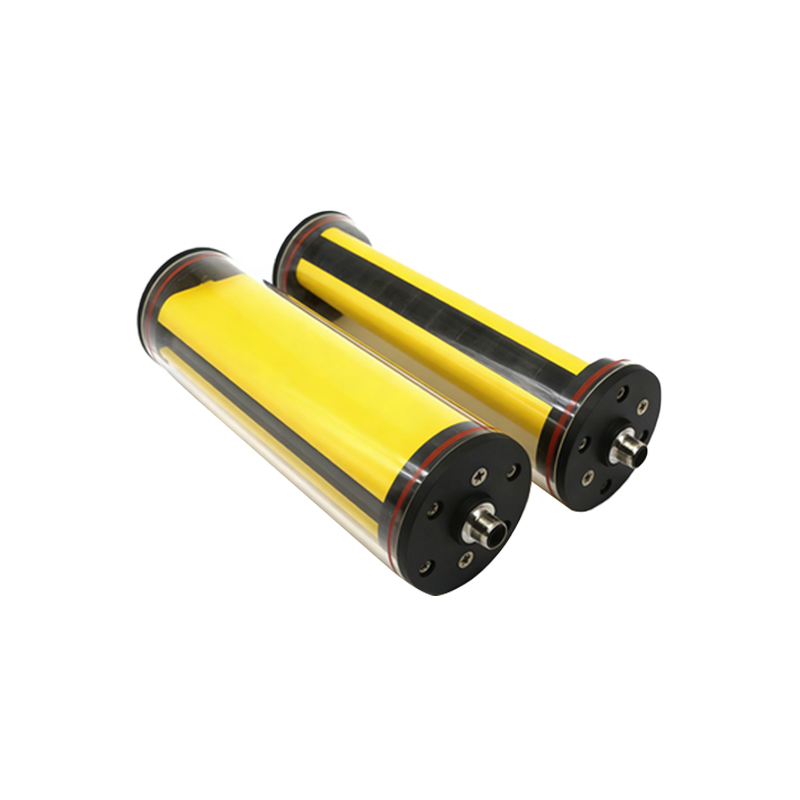
Identifying a failing photoelectric sensor early is crucial for maintaining safety. The most frequent symptom is erratic door operation. The door may stop partway down without an apparent obstruction, refuse to close fully, or reverse unexpectedly during a closing cycle. In some cases, the door might not respond to automatic closing commands at all, remaining stuck in the open position. A diagnostic indicator is often a flashing light on the sensor housing or the main control panel, signaling an alignment or beam-break fault. Ignoring these signs can lead to complete safety system failure.
Primary Causes of Photoelectric Sensor Failure
Several factors contribute to sensor degradation and failure. Misalignment is the leading cause. Even a slight shift in the mounting brackets due to vibration, impact, or thermal expansion can break the beam's path. Environmental contamination is another major issue; dust, dirt, oil mist, and condensation can coat the sensor lenses, severely attenuating the light signal. Electrical problems, such as loose wiring connections, corroded terminals, or voltage spikes from the power supply, can disrupt the signal. Finally, physical damage to the sensor housing or internal components from forklifts or debris impact will necessitate immediate replacement.
Step-by-Step Diagnostic Procedures
A systematic approach is required for accurate diagnosis. First, perform a visual inspection. Check for obvious physical damage, lens cleanliness, and secure mounting. Clean the lenses carefully with a soft, lint-free cloth. Second, verify alignment. Most sensors have LED indicators that show beam reception status. A solid light typically indicates proper alignment and reception, while a blinking or off light suggests a problem. Use alignment tools if provided. Third, conduct a wiring check. Inspect cables for cuts, pinch points, and ensure connections at both the sensor and control board are tight and corrosion-free. Finally, test with a voltmeter to confirm the sensor is receiving the correct operating voltage.
Effective Troubleshooting and Repair Strategies
Once the issue is isolated, apply targeted solutions. For misalignment, loosen the mounting bolts slightly, use the sensor's adjustment mechanisms to re-establish a solid indicator light, and then re-tighten securely. For dirty environments, consider installing protective shrouds or upgrading to sensors with higher ingress protection (IP) ratings, such as IP67, which are dust-tight and can withstand temporary immersion. If wiring is faulty, repair or replace the damaged section, ensuring proper strain relief. When a sensor is internally faulty, replacement is usually the most efficient course. Always use manufacturer-approved parts to ensure compatibility and performance.
Implementing Preventive Maintenance Protocols
Proactive maintenance drastically reduces unscheduled downtime. Establish a regular schedule for sensor inspection and lens cleaning, with frequency based on environmental severity. Periodically check and re-tighten all mounting hardware to combat vibration-induced loosening. Protect sensors from direct impact by installing sturdy metal guards. Ensure the electrical supply is stable and consider adding surge protection devices to the circuit. Keep a log of all maintenance activities and any intermittent faults, as this history can reveal patterns and predict future failures. Training operational staff to recognize early warning signs is also a valuable preventive measure.
Upgrading to Advanced Sensor Technologies
For facilities with persistent sensor issues, upgrading to newer technologies offers long-term benefits. Consider switching to modulated LED sensors, which are highly resistant to ambient light interference. Laser alignment sensors provide a more precise, visible beam for easier setup and verification. For extremely challenging environments, such as those with heavy dust or steam, background suppression sensors or ruggedized ultrasonic sensors might be superior alternatives. While the initial investment is higher, the increased reliability, reduced maintenance, and enhanced safety often result in a favorable return on investment and greater operational continuity.