Factors Influencing Repair Costs
The cost of repairing a mechanical photoelectric sensor is not a fixed figure; it varies significantly based on several key determinants. Primarily, the sensor's brand and model play a crucial role. High-end, specialized sensors from leading manufacturers often require proprietary parts and certified technician expertise, driving up repair expenses. Conversely, repairing a standard, widely-available model might be more economical. The nature and extent of the failure is another critical factor. A simple issue like a misaligned lens, a dirty optical surface, or a loose wiring connection typically incurs a lower labor cost. In contrast, a complete failure of the emitter or receiver LED, a damaged phototransistor, or a faulty internal amplifier circuit board necessitates part replacement, which constitutes the bulk of the repair price. The age and availability of spare parts also heavily influence the final quote. For obsolete models, sourcing components can be challenging and expensive, sometimes making repair less viable than replacement.
Breakdown of Typical Repair Expenses
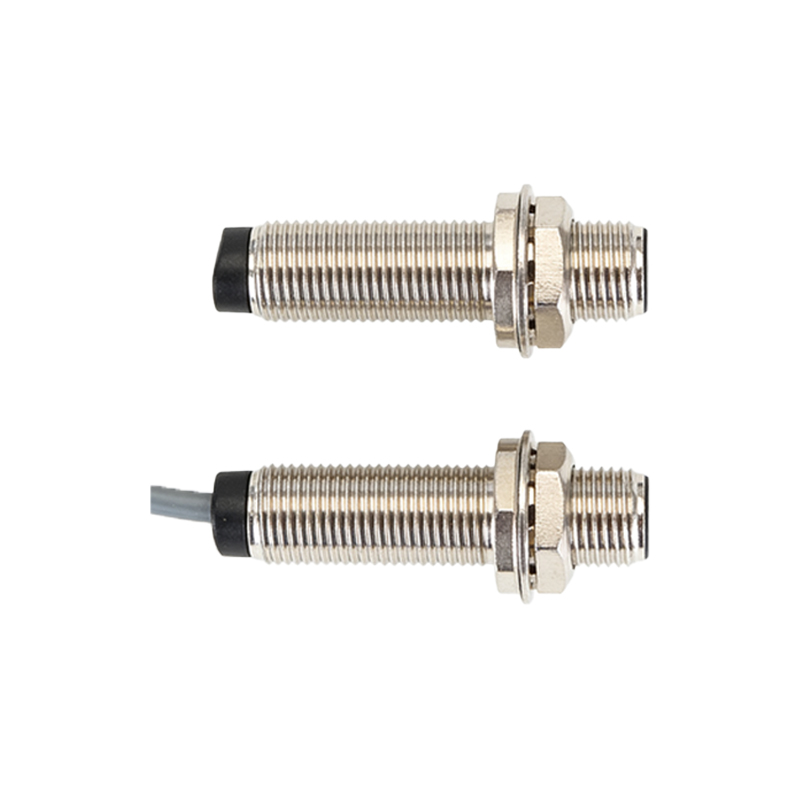
A standard repair invoice for a photoelectric sensor generally comprises two main components: labor and parts. Labor costs are calculated based on the diagnostic time and the actual repair duration, typically billed at an hourly rate that varies by service provider and region. Experienced industrial electricians or specialized automation technicians command higher rates. The parts cost can range dramatically. Common replaceable items include the optical lens assembly, protective housings, cable harnesses, and mounting brackets. The most costly parts are the core electronic components, such as the infrared LED emitter or the silicon phototransistor receiver. For sophisticated sensors with built-in amplifiers or programmable logic, replacing the main processing unit can be exceptionally pricey. It is not uncommon for the parts cost to represent 60% to 80% of the total repair bill for complex failures.
Repair vs. Replacement: A Cost-Benefit Analysis
A pivotal decision in maintenance strategy is choosing between repairing a faulty sensor and purchasing a new one. A simple cost comparison is the first step. If the repair estimate approaches or exceeds 60-70% of the price of a brand-new, equivalent model, replacement often becomes the more prudent financial choice, offering a fresh warranty and updated technology. However, cost isn't the only consideration. For legacy machinery where sensor integration is complex, or for proprietary systems where a direct replacement isn't readily available, repair might be the only feasible option despite a higher upfront cost. Furthermore, in urgent breakdown scenarios, if a repair can be executed on-site much faster than waiting for a new unit's delivery and installation, the savings in production downtime can justify the repair expense, even if the repair cost itself is high.
The Impact of Sensor Type and Complexity
The specific type of photoelectric sensor directly affects repair complexity and cost. Basic through-beam sensors, with separate emitter and receiver units, are often simpler to troubleshoot and fix. Issues usually lie in alignment, cabling, or a single failed component. Retro-reflective sensors, which use a reflector, add the reflector itself as a potential point of failure. Diffuse (proximity) sensors, with their emitter and receiver in one housing and reliance on target reflection, have more intricate optics and internal circuitry. More advanced types, such as background suppression sensors, color sensors, or laser sensors, incorporate sophisticated electronics and precise optical calibration. Repairing these units requires specialized test equipment and advanced skills, leading to significantly higher service charges. Fiber optic sensor amplifiers, as separate units, also have distinct repair cost structures.
Strategies for Managing and Reducing Repair Costs
Proactive maintenance is the most effective strategy for minimizing unexpected repair costs. Implementing regular cleaning schedules for lenses and reflectors prevents false triggers and component degradation. Ensuring proper mechanical alignment and secure electrical connections can avert many common failures. Establishing a relationship with a reliable, specialized repair service provider can lead to better pricing and faster turnaround times than relying on the original equipment manufacturer (OEM) for all repairs. For facilities with a large number of similar sensors, maintaining a small inventory of critical spare parts or even complete spare units can reduce machine downtime, though this represents a capital investment. Finally, accurately diagnosing the problem before sending a unit for repair can prevent unnecessary service charges; basic checks for power, output signals, and optical obstruction should always be performed first.