Introduction to Rotary Limitation with Proximity Sensing
In industrial automation and machinery design, controlling and limiting rotary motion is a critical safety and functional requirement. Mechanical stops, while simple, often suffer from wear, impact damage, and lack of feedback. Proximity sensors offer a non-contact, reliable, and intelligent solution for this application. These sensors detect the presence of a metallic target without physical contact, making them ideal for defining precise angular limits on rotating shafts, cams, or arms. By integrating inductive or capacitive proximity sensors into the rotational path, engineers can establish soft limits that trigger control actions—such as stopping a motor, reversing direction, or initiating a sequence—long before a hard mechanical collision occurs. This approach enhances equipment longevity, operational safety, and process repeatability.
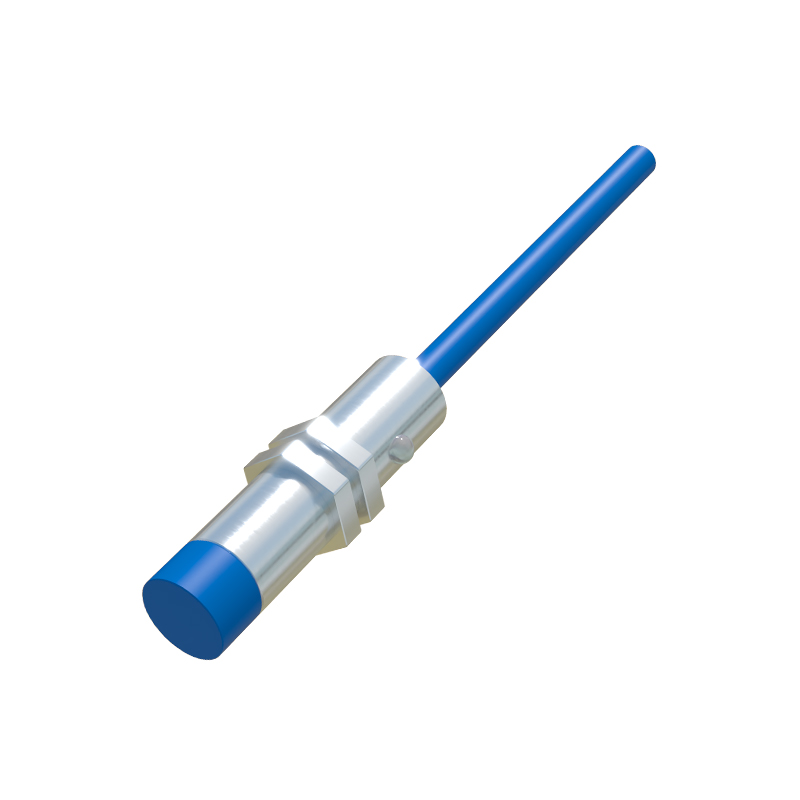
Core Operating Principles of Inductive Proximity Sensors
For limiting rotation, inductive proximity sensors are predominantly used due to their robustness and sensitivity to metals. The core of an inductive sensor is a coil fed by a high-frequency oscillator, generating an electromagnetic field at its active face. When a ferrous or non-ferrous metallic target (like a tab or flag attached to a rotating shaft) enters this field, eddy currents are induced in the target. This causes a change in the oscillation amplitude, which is detected by a threshold circuit. The circuit then switches the sensor's output state. This switching event is the signal used to indicate that the rotating component has reached a pre-set angular position. The key advantage is the complete absence of mechanical wear between the sensor and the target, ensuring consistent performance over millions of cycles.
System Design and Sensor Placement Strategies
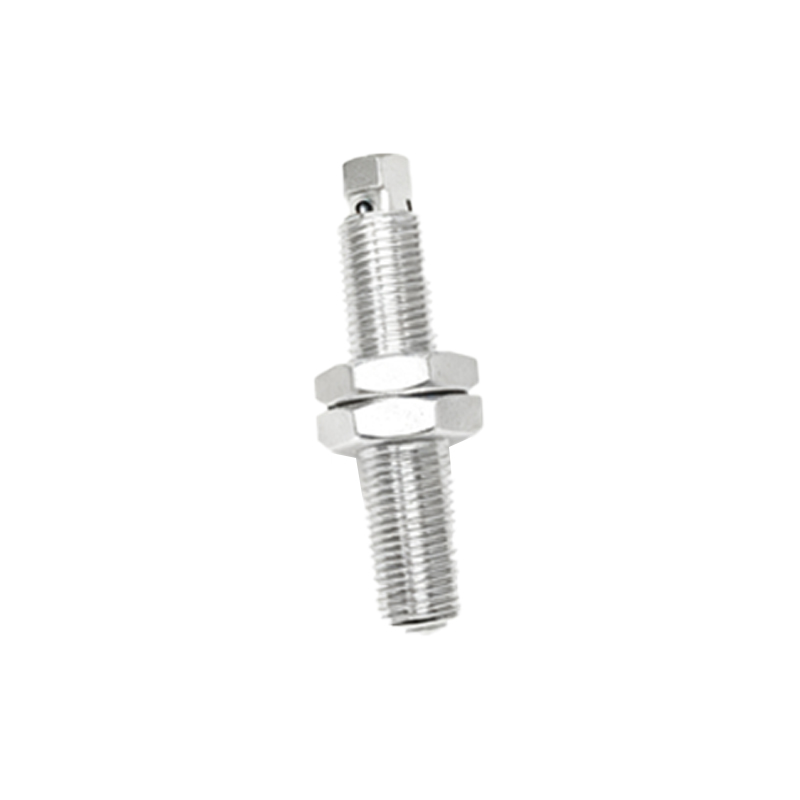
Effective implementation requires careful mechanical and electrical design. The primary consideration is the mounting of the target and the sensor. A common method involves attaching a small metal flag or a series of bolts on a rotating hub. The proximity sensor is then fixed to the stationary machine frame, aligned so the target passes within its sensing range at the desired limit angle. The sensing distance, or "snap point," must be precisely calculated, factoring in the sensor's rated operating distance (Sn) and a safety margin to account for mechanical tolerances, thermal expansion, and vibration. For applications requiring multiple limits (e.g., 0°, 90°, 180°), multiple sensors can be arranged around the rotation path, or a single sensor can be used with a specially shaped target that presents a sensing edge at different angular positions.
Electrical Integration and Output Signal Handling
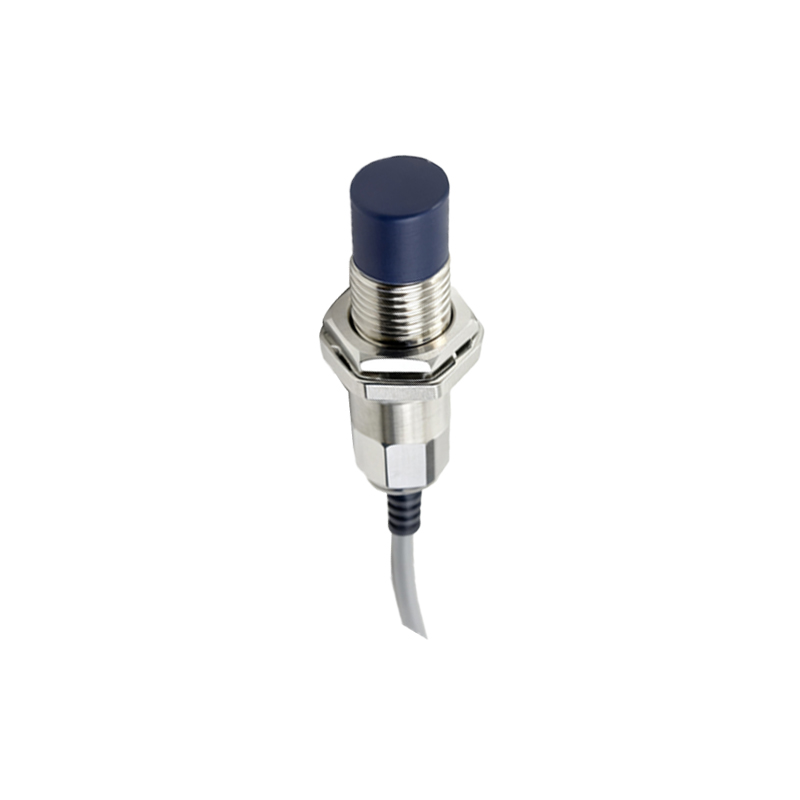
Modern proximity sensors typically provide solid-state outputs, either as PNP (sourcing) or NPN (sinking) DC configurations, or as relay contacts. The output signal is fed directly into the machine's Programmable Logic Controller (PLC) or motor drive. Upon sensing the target, the sensor's output changes state, providing a digital input to the control system. The logic within the PLC then executes the pre-programmed routine, such as de-energizing a contactor for a motor brake. For higher precision, analog output sensors (4-20 mA or 0-10V) can be used, where the output signal is proportional to the distance to the target. This allows for continuous monitoring of the angular position and the implementation of progressive slowdowns as the limit approaches, rather than a simple on/off stop.
Key Advantages Over Mechanical Limit Switches
The shift from mechanical limit switches to proximity sensors for rotary limitation brings substantial benefits. First is reliability: with no moving parts to jam or wear out, proximity sensors boast significantly higher operational life and reduced maintenance. Second is speed: they can detect targets at very high rotational speeds without bounce or delay. Third is environmental resilience: sealed housings (often rated IP67 or higher) protect the sensor from dust, coolant, and oil ingress, which commonly plague mechanical switches. Finally, precision and repeatability: the electronic switching point is extremely consistent, unaffected by actuator over-travel or mechanical hysteresis, leading to more accurate and repeatable machine cycles.
Common Applications in Industrial Machinery
This technology finds widespread use across industries. In robotic arms, proximity sensors define the safe rotational limits for each axis, preventing over-travel that could damage cables or cause collisions. In indexing tables and rotary feeders, they ensure the table stops at the exact position for part loading or unloading. On crane and hoist systems, they limit the swing or rotation of the boom. Within packaging machinery, they control the angular stroke of sealing jaws or product pushers. Even in wind turbines, they can be used as a backup system to monitor the yaw or pitch angle limits. In each case, the non-contact nature ensures reliable operation in harsh, dirty, or high-cycle environments.