Introduction to NT6 Photoelectric Sensors
The NT6 series represents a significant advancement in photoelectric sensing technology, designed to meet the rigorous demands of modern industrial automation. These sensors are engineered for high reliability and precision in detecting the presence, absence, or position of objects across various applications. Utilizing advanced optical components, the NT6 ensures consistent performance even in challenging environments with dust, moisture, or variable lighting conditions. Its robust construction and innovative design make it a preferred choice for engineers seeking durable and efficient sensing solutions. The integration of state-of-the-art electronics allows for seamless communication with control systems, enhancing overall operational efficiency.
Core Technical Specifications
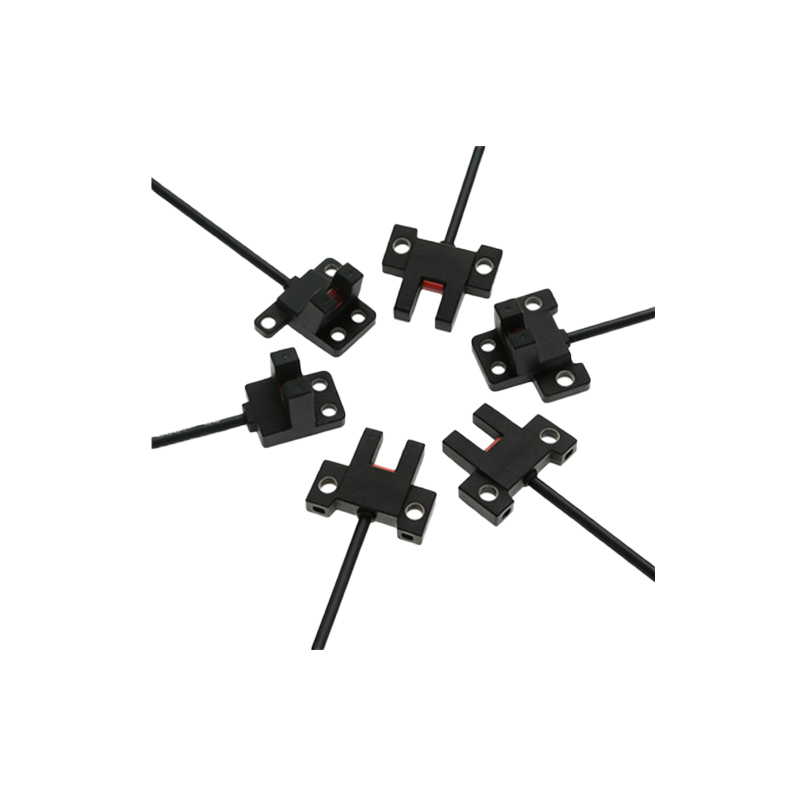
Key technical specifications of the NT6 photoelectric sensor include a sensing range of up to 15 meters, depending on the model, with options for diffuse, retro-reflective, and through-beam sensing modes. It operates on a wide voltage range, typically from 10-30V DC, ensuring compatibility with diverse industrial power supplies. The response time is exceptionally fast, often under 1 millisecond, enabling high-speed detection in dynamic processes. Built with IP67-rated enclosures, the NT6 is resistant to water and dust ingress, making it suitable for harsh manufacturing settings. Additionally, it features adjustable sensitivity and built-in diagnostics for easy setup and maintenance.
Primary Industrial Applications
NT6 photoelectric sensors are widely deployed in industries such as packaging, material handling, automotive assembly, and food processing. In packaging lines, they accurately detect labels, fill levels, and product positioning to ensure quality control. For material handling systems, these sensors monitor conveyor belts, sort items, and prevent jams by detecting object presence. In automotive manufacturing, the NT6 assists in robot guidance, part verification, and safety interlocking. The food and beverage sector benefits from its hygienic design and ability to operate in washdown environments, supporting tasks like bottle counting and cap alignment.
Advantages Over Competing Models
Compared to other photoelectric sensors on the market, the NT6 offers distinct advantages, including enhanced durability due to its stainless-steel housing and shock-resistant design. Its energy-efficient operation reduces power consumption, lowering long-term costs for facilities. The sensor's advanced algorithms minimize false triggers from ambient light or reflective surfaces, improving accuracy. Easy integration with PLCs and IoT networks via standard output protocols (e.g., NPN/PNP or IO-Link) simplifies system upgrades. Furthermore, the NT6's modular design allows for quick replacement and customization, reducing downtime during maintenance.
Supply Chain and Availability
The supply of NT6 photoelectric sensors is supported by a global network of distributors and manufacturers, ensuring timely delivery and technical support. Inventory management is optimized through just-in-time production practices, reducing lead times for bulk orders. Customers can access a range of variants, including different housing sizes, cable lengths, and connector types, to match specific application needs. Comprehensive documentation, including datasheets and installation guides, is available online, facilitating easy procurement and deployment. Regular updates from suppliers keep users informed about new features or compatibility enhancements.
Installation and Maintenance Guidelines
Proper installation of the NT6 sensor involves aligning the emitter and receiver correctly, depending on the sensing mode, and securing it with mounting brackets to avoid vibration-induced errors. Environmental factors like temperature extremes or chemical exposure should be considered during placement. For maintenance, periodic cleaning of the lens with a soft cloth is recommended to prevent residue buildup that could impair performance. Diagnostic LEDs provide real-time status indicators, helping troubleshoot issues without disassembly. Users should follow manufacturer guidelines for calibration and replacement intervals to ensure longevity and reliability.
Future Trends and Innovations
The future of photoelectric sensors like the NT6 is shaped by trends toward smarter, more connected industrial ecosystems. Innovations may include enhanced wireless capabilities for easier deployment in remote areas, integration with AI for predictive maintenance, and improved miniaturization for space-constrained applications. Energy harvesting technologies could enable self-powered sensors, reducing wiring complexity. As Industry 4.0 advances, the NT6 series is expected to evolve with features like cloud connectivity and data analytics, offering deeper insights into production processes and enabling proactive optimization.